




Making LUNAR NEW YEAR 2026 Your Most Auspicious and Blessed Year: Feb 17, 2026 Chinese New Year; Feb 18,2026 LOSAR Tibetan New Year
Lunar New Year and Tibetan Losar are often on different dates — based on two different lunar calendars and astrological calculations. The Lunisolar Chinese Lunar calendar starts the new year in 2026 on February 17, while Tibetan Calendar, based on slightly different astrological rules falls on February 18.
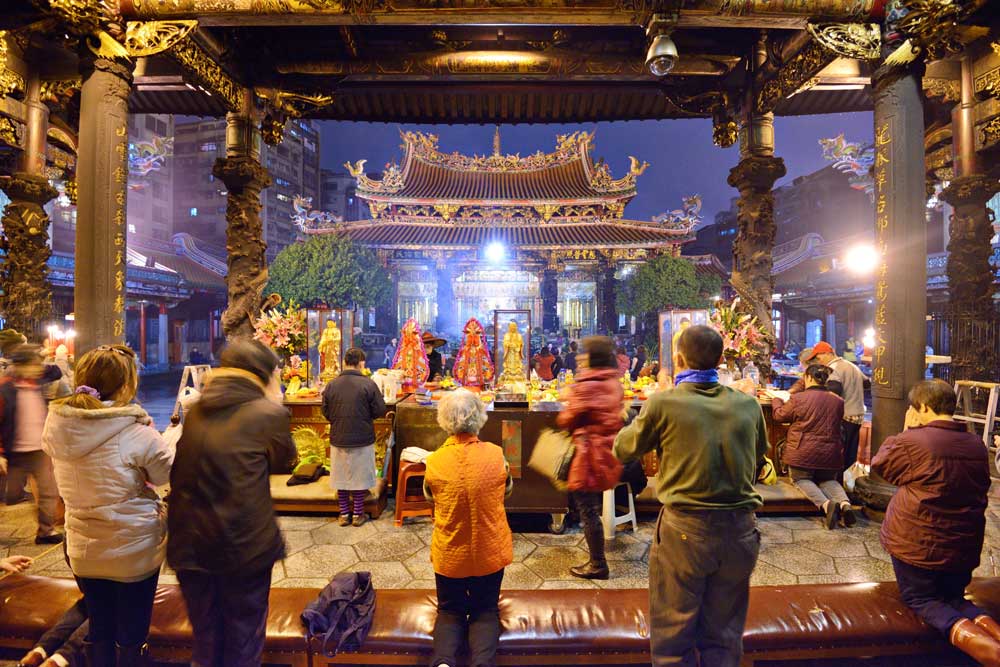
In both traditions, it is important to purify and clean up until New Year’s eve, then make offerings to the Buddha, Bodhisattvas, Dharma and Sangha on New Years and for the first 15 days of the year. This is why temple visits and “generosity” to the Sangha — especially monks, nuns, rinpoches, teachers, and temples or gompas. The purification (such as Vajrasatttva practices 金剛薩埵菩薩 Jīngāng Sàduǒ Púsà ) removes negative karmas, while the offerings ensure auspicious merit in the new year.
By tradition, the festivities last 15 days for Buddhist traditions and Tibetan Losar — corresponding with the celebration of the 15 Days of Miracles of Shakyamuni Buddha. Other lunar traditions are 7 days, 4 days, or 14 days. What’s important is to start off the new year with auspicious blessings — visiting temple, family, friends and purifying and releasing the negativity of the previous year.
It represents new beginnings, fresh start, and an opportunity to bring in auspiciousness for the new year. For this reason, purification practices are recommended prior to the New Year — to cleanse before the new year — followed by a week to 15 days of auspicious practices including: Sutra and mantra recitation, temple visits, giving and generosity, and Buddhist practices.

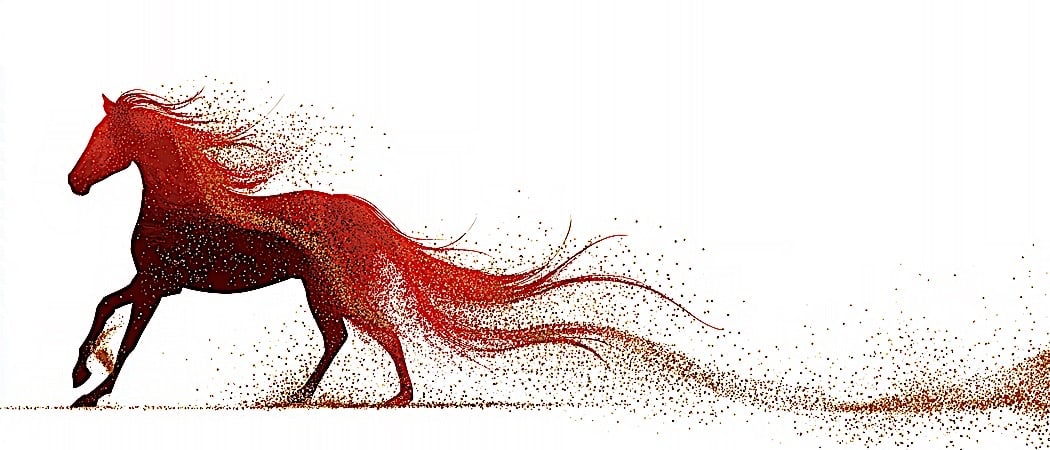
One of the auspiciousness practices for Lunar New year is known as WISH HORSE practices — doubly auspicious in 2026, the year of the Fire Horse. We have this short Wish Horse Tara practice, highly recommended for the entire 15 first days of the New Year (and every day!), here sung by @3GemsBand:
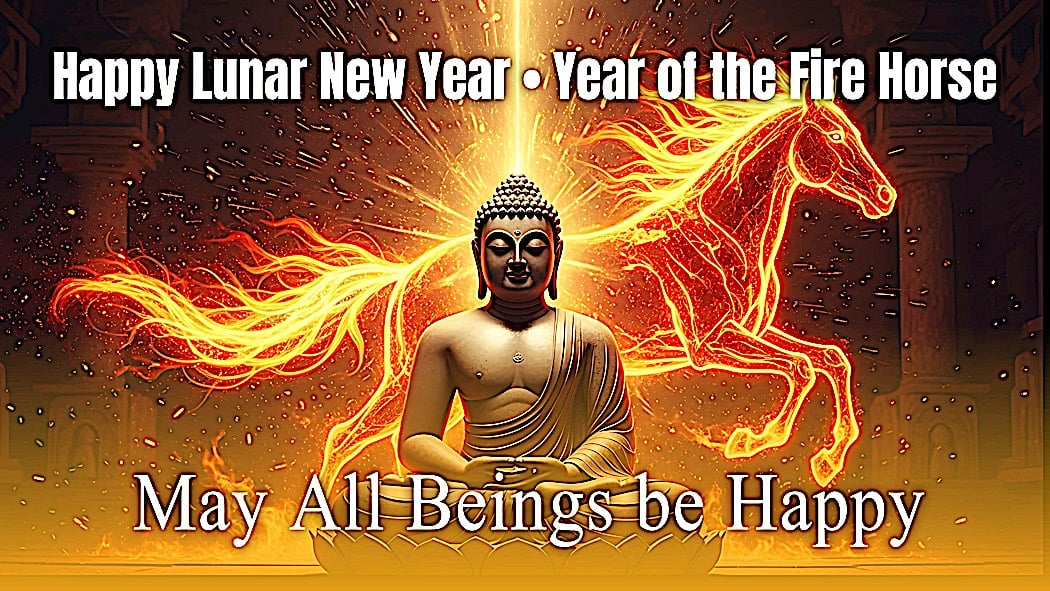
Lunar New Year 2026 is a Year of the Fire Horse, elementally it’s the Fire Horse, which begins from February 17, 2026 (or Feb 18, 2026 in Tibetan Calendar), and lasting until February 6th, 2027. The celebrations for New Year last up to 15 days.
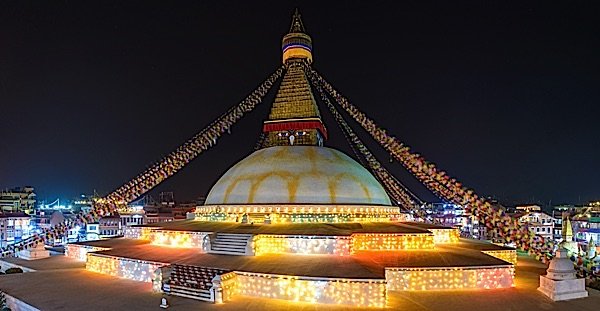 The Boudhanath Stupa in Nepal is decorated with light and flags for Losar.
23rd of Prior Month to New Year
Each month — but especially in the last month of the year going into a New Year — the 23rd of the Lunar month marks the last quarter moon. During the last phase of this waning moon, we ideally reflect and purify, culminating on the New Moon with Upavasatha. This is the time to purify all of the negative karma, confess our negative faults, and clean the slate going into a new year. This ensures an auspicious, prosperous and productive New Year!
Chanting at least 108 (minimum) Vajrasattva mantras prior to the New Year is often recommended, or ideally 108 every day for 10 days prior, or as many as you are able. An easy way to accomplish this is to chant along with Hrishikesh Sonar’s beautiful Sanskrit mantra (includes visualizations):
Other strong purification practices are Maha Vairochana’s Mantra of Light and Vajrapani’s powerful clearing obstacles mantras.
Mantra of Light for Purification:
In both traditions, it is important to make offerings to the Buddha, Bodhisattvas, Dharma and Sangha on New Years. This is why temple visits and “generosity” to the Sangha — especially monks, nuns, rinpoches, teachers, and temples or gompas. The purification (such as Vajrasatttva practices) removes negative karmas, while the offerings ensure auspicious merit in the new year.
Jewel Practices to Bring in Prosperity for 2026
After purifying with Vajrasattva, traditionally we focus on helping create the conditions for auspiciousness, and propserity in the New Year. This is the traditional domain of Ratnasambhava and the Jewel Family, including Vasudhara (Yellow Tara), the Jambhala (Dzambhala) and Vaisravana Heavening King Practices.
Jewel Auspicious Prosperity Practices include:
- Vasudhara (11th Tara)
- Yellow Rain of Wealth Tara (Tara 3)
- Gold Mangalama (Endless Knot) Tara (Tara 12)
- Yellow Jambhala (Dzambhala)
- White Jambhala (Dzambhala)
- Vaisravana Heavening King Practices
Ratnasambhava 9-minute Practice Video Chant-along for Prosperity:
Lucky Activities for first 15 Days
From China Highlights:
“Chinese people believe that what you do at the beginning of a new year will affect your luck in the coming year. Staying up on Chinese New Year’s eve (February 17, 2026) and saying good words to your family/friends like Happy New Year after the clock strikes 12 will certainly bring good luck.
Giving out red packets to kids and elders will help cast away the bad luck (demon Nian) and bring good luck in.
Besides, decorating your house with kumquat trees (symbolizing wealth & good luck), wearing your lucky color (yellow, red), and eating lucky food like rice dumplings (family togetherness), fried flour-coated peanuts (vitality), walnut cookies (happiness), etc. are popular ways to get lucky.”
Before the New Year for lay Buddhists
Traditionally, celebrants will prepare for Losar by cleaning their houses (sweeping away the misfortunes of the previous year.) Serious Buddhists almost always undertake Vajrasattva, Vajrakilaya, or other practices either the day before — or if undertaking retreat or serious practice, up to 30 days before.
Traditionally, a person should not clean their house for the first few days of Losar to symbolically preserve the luck. Serious Buddhists might spend the last five or more days on purification practices such as Vajrasattva and Vajrakilaya. There will often be protector pujas, for example to Palden Lhamo, the great protectress of Tibet and the Dalai Lama. [More about Palden Lhamo here>>]
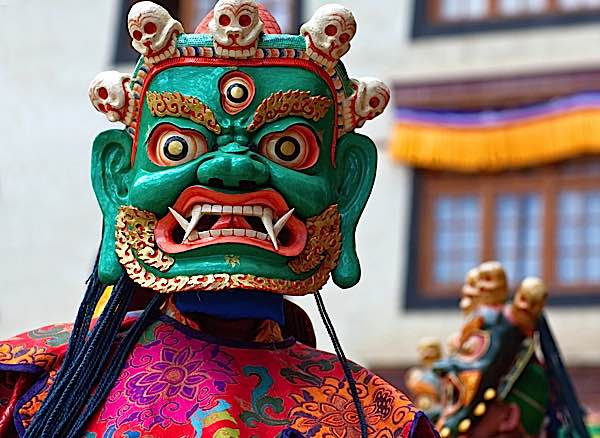
New Years Celebrations — Bringing in the Luck of the Energetic Fire Horse
If you are fortunate enough to be in an area with a Tibetan temple or Gompa, there are likely colourful and beautiful celebrations planned — although this year they will likely be streamed or remote events. To help bring in the luck of 2026, the Year of the Fie Horse, consider attending and supporting the temple online with a significant donation for merit of by volunteering to help out (good karma). These events might include rituals but are also as likely to include festive performances.
Losar at Home
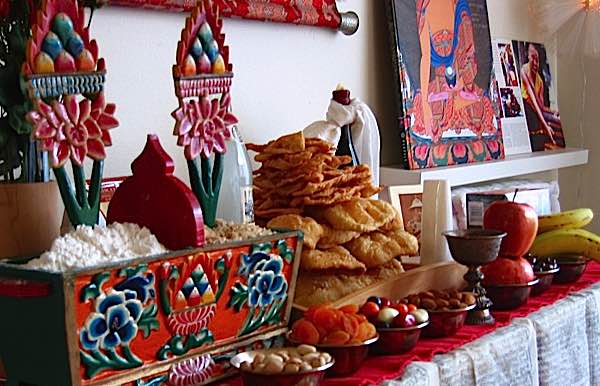
Traditionally, you decorate your doors and windows to bring home the auspiciousness of the year. Often these decorations are purpose-made with good luck, good fortune, happiness and long life messages. Consider having a festive dinner. The “first meal of the day” should go to the Buddhas, Bodhisattvas and deities. Before eating breakfast, typically you should make your offerings on your home shrine.
The First Three Days
The first three days of Losar or Chinese New Year, are the most important. The first day is usually for immediately family, the second day for visiting friends and relatives, the third day is for prayers and giving (donating to monks, nuns or temples) — although customs vary widely.
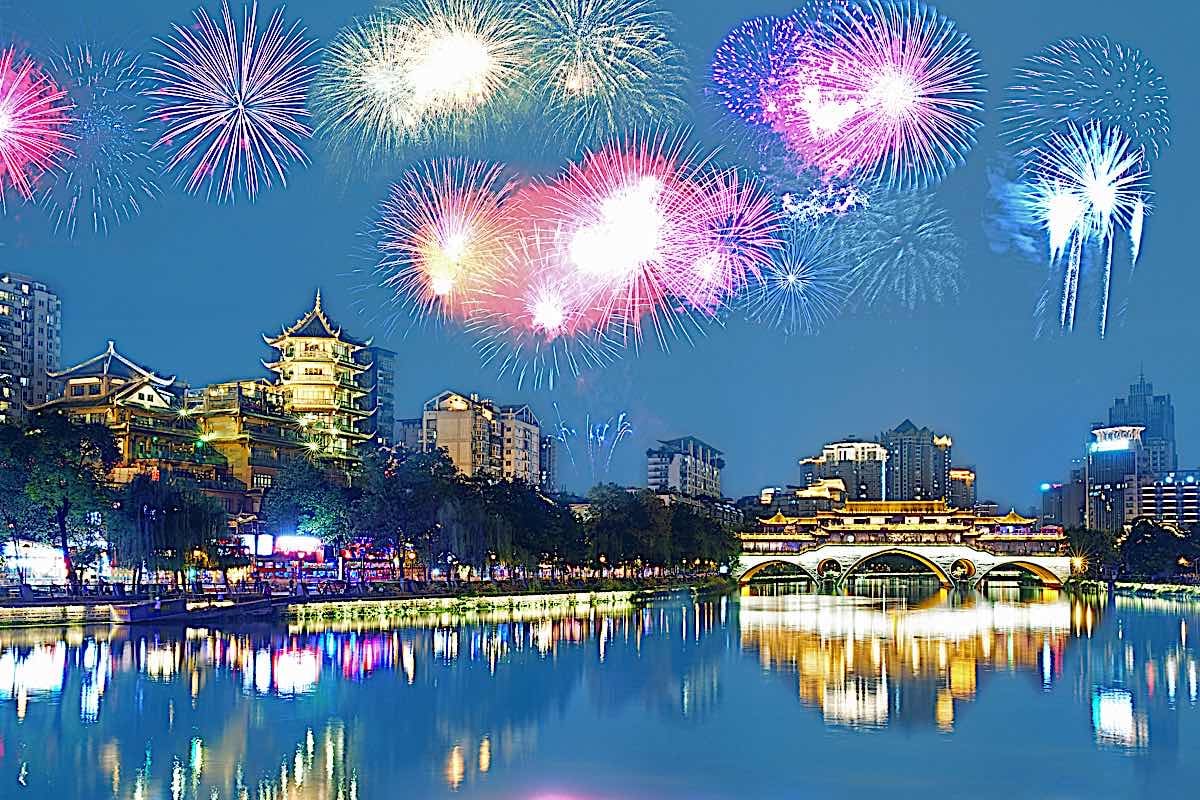
Not only do you get to party, you are encouraging the good fortune and merit for 2023! One important tradition includes hanging new prayer flags, Wind Horse flags, which carry the good wishes to all corners of the earth on the winds.
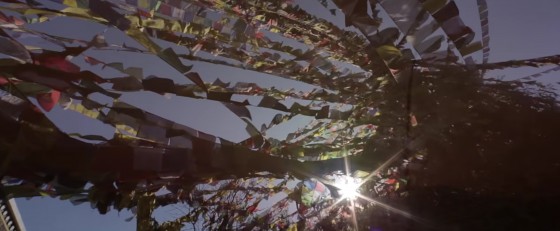
Early in the morning, at home we might give our offerings on our personal shrines. When first greeting people, the most common greeting is “Tashi Delek” which basically wishes them good fortune and happiness. The first day of Losar is usually for immediate family. If you are fortunate to be near a temple or Gompa, join the festivities if there are any this day (it may be scheduled for the weekends or other days).
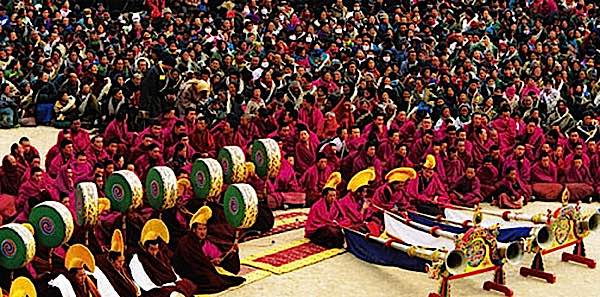
The second day of Losar is gyal-po losar (King’s Losar) and tends to be more secular in nature. Throughout these first few days, people might visit friends and families, wishing them well, and enjoying food and feasts. Of course, it’s a time for dancing, partying and entertainments. Displaying the eight auspicious signs of the Buddha is a good way to bring auspiciousness home (either printed out from your laser printer and hung up, or more elaborate displays).

For traditional Tibetans, the third day is the day for visiting monasteries and gompas and making prayers. This is the time to show generosity, to create merit in the year by donating food, clothing and money to the Lamas, Gurus, monks, and nuns. The third day will be heavy with incense smoke, especially Juniper leaves.
Feng Shui and bringing in the Auspiciousness
In Chinese New Year, we often pay attention to Feng Shui to ensure maximizing our “auspiciousness” in the New Year — it can’t hurt, right? According to the site, Chinese Zodiac (on their Year of the Rabbit page, found here>>):
“Don’t forget about incorporating feng shui into your life in the Year of the Water Rabbit. According to feng shui experts, the Water element is associated with the North sector of your home or office, so activating this area with elements such as a water feature or a blue and black color scheme can bring the positive energy of water into your space.
Additionally, the Rabbit is associated with the element of wood, which represents growth and new beginnings, so incorporating wooden elements or the color green can also bring that energy into your space.”
Happy Chinese New Year, and Tashi Delek from your friends at Buddha Weekly!
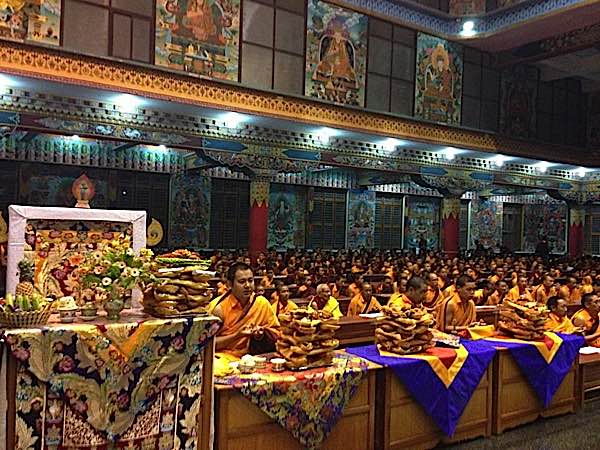
Activities on New Years
For the first 15 days of lunar New Year, bring in auspiciousness with lucky activities (see the section below!).
Aside from the astounding mix of wondrous activities scheduled around the world for Chinese New Year, the lunar first month of 2022 will be a busy one for Dharma activities.
Celebrate the New Year and every Dharma activity in the first month to ensure an auspicious, happy year! Some of the Dharma Dates are highlighted below.
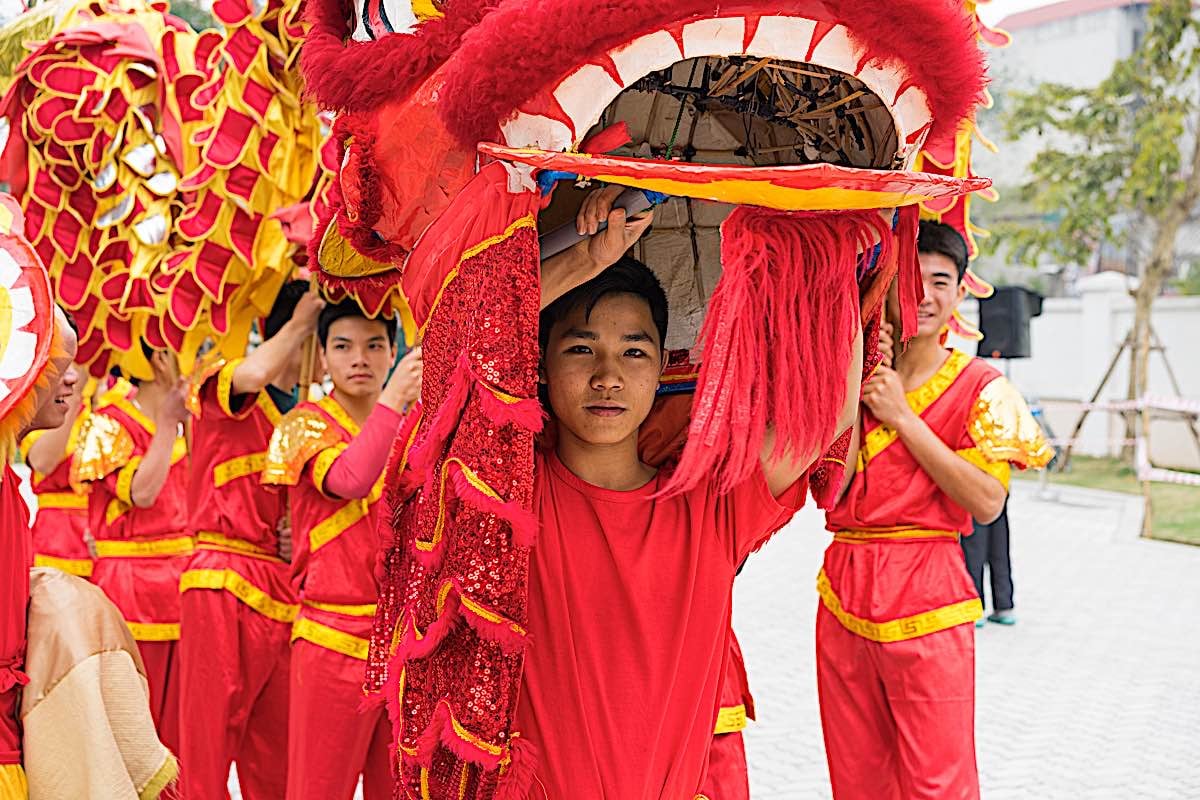
February Dharma Celebrations
You’ll find the monthly Dharma Calendar Highlights on the home page of Buddha Weekly and on our dedicated “Dharma Dates” page which has Dharma Dates from now to the end of 2027.
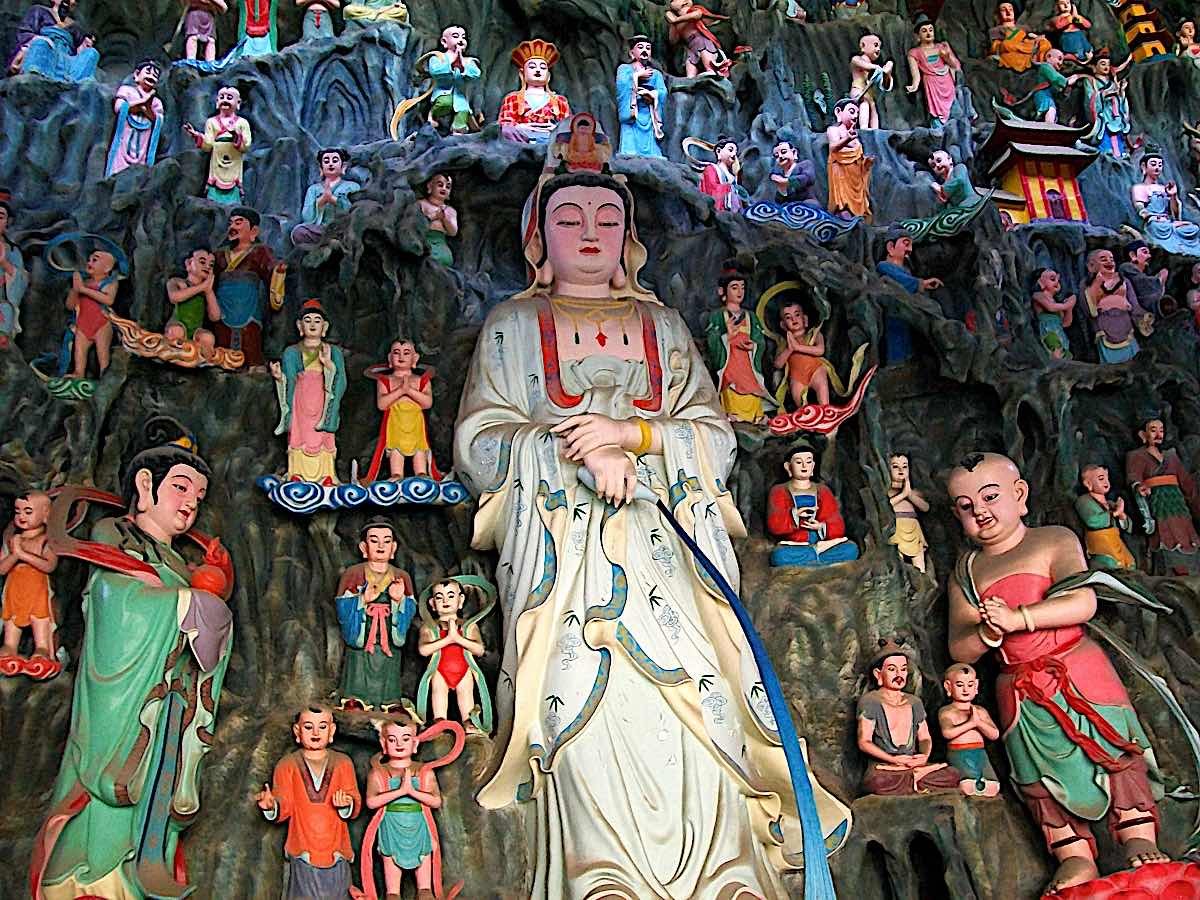
Buddhist Prosperity Practices for New Year
About the Jewel Buddha Ratnasambhava
Enriching Yellow Tara Mantras
White Jambhala (Dzambhala):
Green Tara: Bring Sacred Enlightened Activities into 2026 — Activity of all the Buddhas
21 Tara Mantras three Times Each: Bring Auspiciousness and Merit, Enriching, Pacifying and Subjugating of Obstacles
GREEN JAMBHALA (About and Practice) :
Leave a Comment
More articles by this author
100-Syllable Yidam Samaya Mantra: Union, Bliss, Bonding, Renewal, Purification, Wish Fulfilment and Wisdom
Celebrating Loving Kindness on Maitreya Day: Significance and Traditional Practices to Start the Lunar New Year Celebrating the Buddha-to-Come

Making LUNAR NEW YEAR 2026 Your Most Auspicious and Blessed Year: Feb 17, 2026 Chinese New Year; Feb 18,2026 LOSAR Tibetan New Year



Search
Latest Features



Please support the "Spread the Dharma" mission as one of our heroic Dharma Supporting Members, or with a one-time donation.
Please Help Support the “Spread the Dharma” Mission!
Be a part of the noble mission as a supporting member or a patron, or a volunteer contributor of content.
The power of Dharma to help sentient beings, in part, lies in ensuring access to Buddha’s precious Dharma — the mission of Buddha Weekly. We can’t do it without you!
A non-profit association since 2007, Buddha Weekly published many feature articles, videos, and, podcasts. Please consider supporting the mission to preserve and “Spread the Dharma." Your support as either a patron or a supporting member helps defray the high costs of producing quality Dharma content. Thank you! Learn more here, or become one of our super karma heroes on Patreon.
Lee Kane
Author | Buddha Weekly
Lee Kane is the editor of Buddha Weekly, since 2007. His main focuses as a writer are mindfulness techniques, meditation, Dharma and Sutra commentaries, Buddhist practices, international perspectives and traditions, Vajrayana, Mahayana, Zen. He also covers various events.
Lee also contributes as a writer to various other online magazines and blogs.