



Chosen by the Buddha: Sivali Bhante Arhant and the Power of Renunciation

The Buddha conferred renunciation upon numerous disciples, many of whom later emerged as highly influential monks within the Buddhist Saṅgha. The relationship between the Buddha and Sīvali Bhante (Phra Sivali or Venerable Sivali or Sivali Arhant) highlights ethical exemplarity within early Buddhism. Through recognizing Venerable Sīvali’s patience and karmic merit, the Buddha demonstrated how moral discipline and generosity sustain the Saṅgha, using exemplary disciples to communicate core teachings rather than emphasizing personal closeness.
By Niketan Shegokar, Bio bottom of feature
1. Birth of Sivli
Sīvali Thera’s birth story occupies a distinctive place in Buddhist narrative literature because it highlights themes of karmic fruition, patience, and eventual spiritual abundance. According to later Buddhist biographical traditions summarized by modern scholars, Sīvali was born to Princess Suppavāsā and King Suppabuddha of kosambi (capital city of ancient Vatsa Mahajanapada). The pregnancy is described as unusually prolonged and physically painful, lasting several years (most records say 7 years). This prolonged gestation is interpreted symbolically in Buddhist tradition as the maturation of past karma rather than a literal obstetric account. Modern scholars emphasize that such narratives function as moral exemplars, illustrating endurance (khanti) and the ripening of karmic causes rather than historical obstetrics.
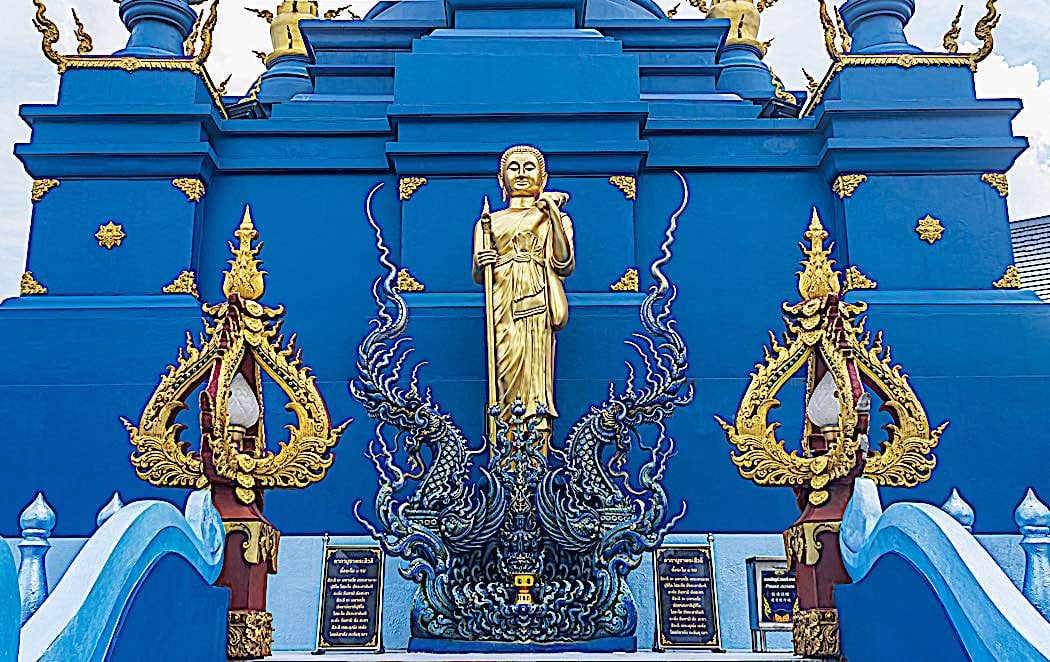
Upon birth, both mother and child are said to have recovered well, and the child was named Sīvali. The narrative sets the stage for Sīvali’s later reputation as a monk associated with prosperity, support, and good fortune, arising from patience and merit accumulated across lifetimes.
2. Pravrajyā (Renunciation and Ordination)
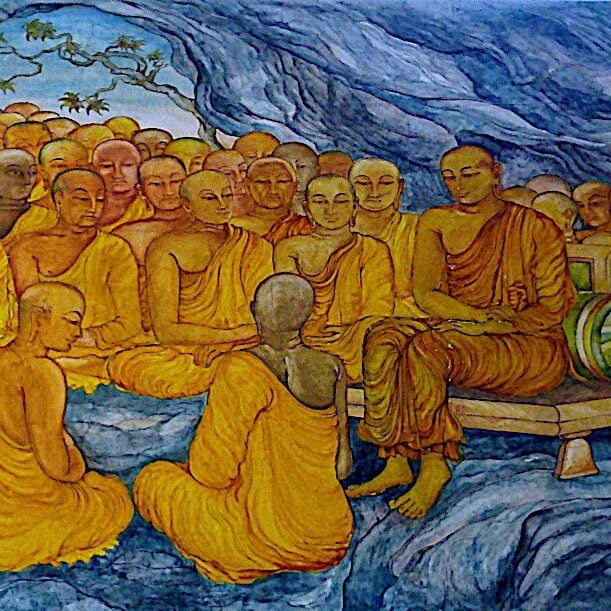
Sīvali later entered the Buddhist monastic order (Saṅgha) and received pravrajyā (going forth) followed by upasampadā (full ordination). His ordination is traditionally associated with the direct presence or approval of the Buddha, though modern scholarship treats this as part of the idealized hagiographic framework common in early Buddhist biographies. After ordination, Sīvali devoted himself earnestly to monastic discipline (Vinaya), meditation, and ethical conduct. He is described as exemplifying patience (khanti), contentment (santuṭṭhi) and moral restraint (sīla). These qualities later became central to his symbolic role within Buddhist devotional culture.

3. Life and Spiritual Attainments
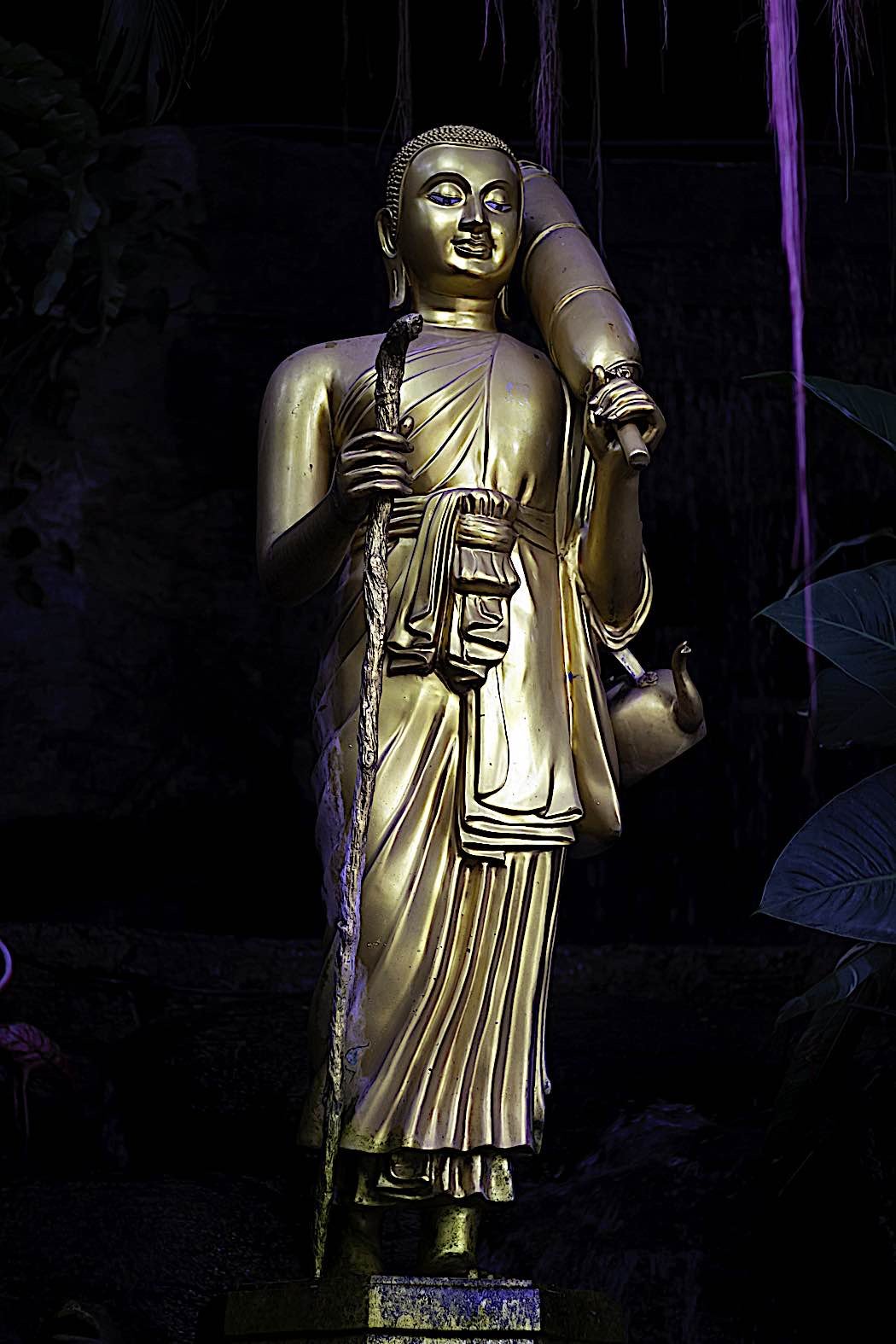
Sīvali Thera is traditionally regarded as an Arahant, having attained complete liberation. Among the Buddha’s disciples, he is especially remembered for being foremost (etadagga) in receiving material support and requisites. Modern interpreters explain this reputation not as advocacy of materialism, but as a reflection of Buddhist ethical causality i.e. generosity leads to abundance, patience leads to favorable conditions and moral discipline leads to communal trust. Stories associated with Sīvali emphasize that wherever he traveled with the Saṅgha, the community would not lack food or shelter. These accounts are understood by scholars as symbolic affirmations of the Buddhist belief that ethical purity creates harmonious social and economic relationships.
4. Doctrinal Significance
The full life story of Sīvali Bhante serves multiple pedagogical functions within Buddhism because it teaches karmic continuity across lifetimes, highlights patience in suffering and demonstrates the ethical relationship between generosity and communal well-being. Importantly, Sīvali is not depicted as achieving abundance through desire, but through renunciation and discipline, reinforcing core Buddhist values.
5. Significance of Sīvali Bhante in Buddhism
The story of Bhante Sīvali represents the Buddhist ideal that material sufficiency can arise without attachment, when conduct is rooted in virtue and wisdom. He embodies the harmonious relationship between monastics and lay communities, where mutual generosity sustains both spiritual and social life. In Theravāda Buddhist cultures particularly in Sri Lanka, Thailand, Myanmar, Sīvali Bhante is revered as a symbol of support, good conditions for practice, and protection, though modern scholars note that this devotional role developed gradually over time. Sīvali’s story reinforces fundamental Buddhist teachings on karma, patience (khanti), non-attachment and interdependence between ethics and livelihood.
- The Famous Anecdote:
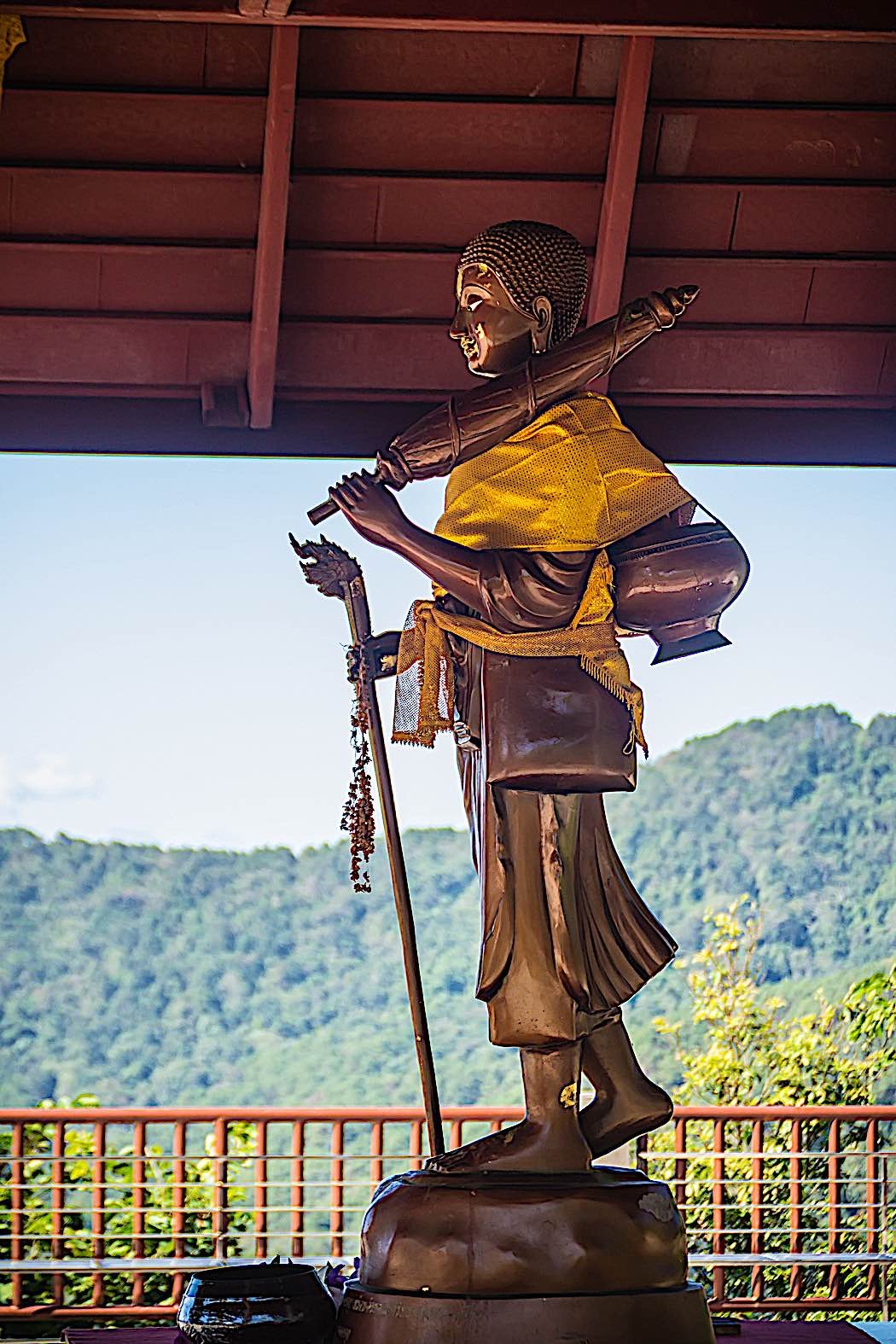
There is a well-known story in the Buddhist tradition that whenever Venerable Sīvali traveled with a group of monks, they never went hungry. Even in remote forests or difficult regions where food was scarce, alms would somehow arrive in abundance. Because of this, the Buddha declared Sīvali to be etadagga (the foremost) among his disciples in receiving the four requisites of monastic life. This distinction was not due to luck or privilege, but to Sīvali’s long practice of generosity over many lifetimes. The Buddha often asked Sīvali to accompany monks on challenging journeys, reassuring them that their needs would be met. The story is not meant to suggest magic, but to convey a simple message that good actions bear good results. In Buddhist thought, generosity creates a bond between monks and common people, ensuring that the Saṅgha can live and practice in harmony, even under difficult conditions.
7. Final Reflections:
Sīvali Bhante’s life narrative illustrates how Buddhism integrates ethical discipline, karmic causality, and communal harmony into a single moral vision. His story is not merely biographical but didactic, offering insight into how Buddhist traditions understand suffering, endurance, and well-being without compromising renunciation.
References:
- Harvey, P. (2013). An introduction to Buddhism: Teachings, history and practices (2nd ed.). Cambridge University Press.
- Strong, J. S. (2015). Buddhisms: An introduction. Oneworld Publications.
- Skilton, A. (1994). A concise history of Buddhism. Windhorse Publications.
- Gombrich, R. (2009). What the Buddha thought. Equinox Publishing.
- Williams, P., Tribe, A., & Wynne, A. (2012). Buddhist thought: A complete introduction to the Indian tradition (2nd ed.). Routledge.
- Abeynayake, O. (2009). The Theravāda Tradition: Its Identity. Journal of the Centre for Buddhist Studies, Sri Lanka, 7, 90–100.
More articles by this author



Search
Latest Features




Please support the "Spread the Dharma" mission as one of our heroic Dharma Supporting Members, or with a one-time donation.
Please Help Support the “Spread the Dharma” Mission!
Be a part of the noble mission as a supporting member or a patron, or a volunteer contributor of content.
The power of Dharma to help sentient beings, in part, lies in ensuring access to Buddha’s precious Dharma — the mission of Buddha Weekly. We can’t do it without you!
A non-profit association since 2007, Buddha Weekly published many feature articles, videos, and, podcasts. Please consider supporting the mission to preserve and “Spread the Dharma." Your support as either a patron or a supporting member helps defray the high costs of producing quality Dharma content. Thank you! Learn more here, or become one of our super karma heroes on Patreon.
Niketan Shegokar
Author | Buddha Weekly
Niketan at time of writing, is a final year MBBS student and a history enthusiast. He has an interest in research and writing, especially over the last 3 years.