



Intention and Supplication Mantras in Buddhism: Why are Activity Mantras different from Praise Mantras, Citing Longchenpa and Lord Atisha
Why are supplication mantras, such as the activity mantras of the 21 Taras more effective for problems than general praise mantras? How do we actually make a specific supplication to a Buddha or our Yidam or Guru?
In this feature, we’ll explain how supplication mantras work, and why, with teachings from the great Longchenpa, Lord Atisha, and Guru Rinpoche, and using the example of the 21 activity mantras of the 21 Taras, explained in full.

Supplication Mantras: Set Your Intention
All Buddhist Mantras have the Bodhichitta Intention to Benefit all sentient beings. If they do not, they are not Mahayana Buddhist Mantras.
Supplication Mantras take this one-step further. Also known as Intention-Setting Mantras, these are Mantras exhorting or asking earnestly for powerful help from Enlightened Buddhas. They are among the most important practices in Vajrayana and Mahayana. Supplication Mantras almost always begin with a praise mantra, to honor and invoke the Enlightened Buddha, but then supplicate an activity or outcome.

If we are explicitly asking for healing, or accumulation of wealth and resources for the benefit of sentient beings, or trying to avert the violence of war, or any noble aspiration, it can be helpful to use supplication mantras. The ones passed down through lineages are well-proven through centuries of use.
Expanding on the Name Praise Mantra
Praise mantras without an explicit supplication, such asVajrapani’s name mantra, Om Vajrapani Hum, do also have the subtle unspoken “supplication for blessings” or removal of obstacles, but are mostly a merit-accumulation and devotional practice.
Supplication mantras are specific requests targeting an affliction or obstacle to our practice and our lives, such as averting war, healing our bodies, or attracting auspicious circumstances.
Video feature by Buddha Weekly on this topic:
For example, adding Phat (Sanskrit for “cut” or “destroy”) to the praise mantra of Vajrapani, makes it Om Vajrapani Hum Phat, a mantra given by many teaching lineages. In this version, we specifically supplicate him to “cut” our obstacles with his great power. It then becomes both a praise and supplication mantra.
The great Longchenpa, more formally known as Longchen Rabjam Drimé Özer, was among the greatest of Yogis, who lived 1308 to 1364. In his treatise, The Great Chariot, he explained how to use mantras to supplicate a Buddha or Guru. The principle for both is the same.
Although his instruction was a “how to” instruction for building your own supplication mantras (normally to your Guru), it is also helpful to understand the principle when you explore what your favorite practice mantra means. It is helpful, when chanting a mantra, to understand generally what it is supplicating.

Here, we’ll explore the very popular 21 Taras mantras from the Lord Atisha lineage, and break down why and how they are supplication mantras, and what they actually ask for as an “activity” from, in this case, Tara.
Longchenpa’s Tutorial on Supplication Mantras
Quoting from the great Longchenpa:
“After the Om Hum and name of the Guru or Yidam you add the supplications:
- For the activity of pacifying say SHANTIM KU RU YE SVAHA
- For enriching: PUSTIM KURU YE SVAHA
- For magnetizing, VASHAM KURU YE SVAHA
- For destroying MARAYA PHAT.
For example, for the yidam guru Padmasambhava, for enriching you would say: OM VAJRA GURU PADMASAMBHAVA AH HUM KARMA PUSTIM KURU YE SVAHA.”

The same suffixes or supplications apply In the case of Yidam practice. You don’t need the “Ah Hum” after the name in this case, since you are using the Yidam’s existing mantra and Om already praises the Body, Speech and Mind of the Yidam.
The Four Activities Formulas
Great Longchenpa also instructed on how to work with each activity intention. This also applies neatly to 21 Taras practices, which includes several White Taras for Pacifying, Yellow Taras for Enriching, Red Taras for Magnetizing and Black Taras for Destroying the obstacles.
1) Longchenpa’s instruction for Pacifying or the White Taras
“To pacify sickness and döns, obscurations and evil deeds,
Visualize that you emanate white light rays everywhere.
Think that the desired siddhi has been attained,
While everything that is contrary has been pacified.At the time of pacifying, from white Taras, from all points, emanate white light rays. Gurus and yidams fill the sky. With the murmur of mantra, think that the siddhi of pacifying is attained.”

2) Longchenpa’s instruction for Accumulating Activities, or the Yellow Accumulating Taras
“For the karma that increases splendor, life, and wealth,
Visualize yellow rain that falls as all you desire.Think of everything as yellow. A rain of wealth, life, and so forth falls. Thinking that our dwelling places and bodies are pervaded, do the recitation.”
3) Longchenpa’s instruction Summoning and Magnetizing Activities , or Red Magnetizing Taras
“As for the powers that can summon and magnetize,
Visualize rays of a vivid red in the shape of hooks.For subjugating, drawing in, making enter, and all such powers of magnetizing, light rays of karma-like hooks invite whatever is desired. Thinking that it is beneath the feet, recite the mantra.”
4) Longchenpa’s instruction for Destroying or Cutting Activities or Black or Blue Taras
“For the action of destroying obstructing spirits and harm,
Visualize blue-black rays, that emanate as weapons
Or a conquering wheel of fire that has a thousand spokes.If obstructions of dön demons, obstructing spirits and so forth arise, visualize blue-black karma light rays everywhere, emanating a collection of weapons that make the döns and obstructing spirits into dust. In the place where you are and in the space of the sky visualize a wheel of fire with a thousand radiating spokes. Having heaped up and drawn in the harmful spirits, it pulverizes them into dust.”
Longchenpa recommends dedicating the merit for the benefit of all sentient beings
“Having done the meditation,
At the end collect the details in conceptionless emptiness.
Then you should relax for just a little while,
Dedicating the merit to enlightenment for the benefit of all beings.”

21 Taras as Supplicating Mantras
How does the great Longchenpa’s advice apply in, for example, the case of the 21 Taras?
For example, in the Atisha lineage, the first Tara, Tara Swift Lady of Glory, the mantra is Om Tare Tutare Ture Vasham Kuru Svaha. All 21 of the mantras begain with Om Tare Tuttare Ture and end with Svaha, so the entire Tara mantra is contained within each. This is both her Praise mantra and also a supplication to save from the 8 fears and dangers. So all 21 have this supplication already:
- Om , which is homage to the Body Speech and Mind of Tara.
- Tare, liberates and saves us from suffering in Samsara
- Tuttare liberates us from the 8 dangers of lions, elephants, fires, snakes, robbers, prisons, floods and demons, which also mirror the poisons of pride, delusion, hatred, jealousy, wrong views, greed, desire, attachment, doubt. Thus, Tuttare liberates us from every outer and inner danger.
- Ture, liberates us from disease.
- Svaha, is the root of the path, and means “be it so” or “well said.”
Intention Setting Supplications
To this, each of the 21 Taras Mantras adds an extra specific layer of intention-setting and supplication. The original supplication of Tare, Tuttare, Ture remains, but, an even more specific supplication is added. For the first Tara, Red Tara Swift Lady of Glory we add “Vasham Kuru Svaha” which, as instructed by Longhcenpa is for magnetizing. The first Tara, indeed is the main Magnetizing Tara. There are other Red Taras, but she is the chief of the magnetizing Taras of the Padma family.
As an example of a White Tara, the second Tara is for pacifying, therefore is OM TARE TUTTARE TURE SHANTIM KURU SVAHA
Third example, the third Tara is gold for enriching, so Her supplication mantra is Om Tare Tuttare Ture Pushtim Kuru Svaha (according to Longchenpa’s instructions).

21 Taras Explained as Supplications
1. Tara, Swift Lady of Glory (Red Tara)
The first Tara is red for magnetizing fortunate circumstances. She is also called Tara, Swift and Heroic. Her mantra is:
om tare tuttare ture vasham kuru svaha
ॐ तरे तुत्तरे तुरे वशम कुरु स्वहा
This mantra supplicates Red Tara of Glory to magnetize generally fortunate circumstances: such as helpful people, helpful resources, helpful students, helpful economy, generally magnetizing a good situation. In Longchenpa’s supplication instruction this is “vasham kuru svaha.”
2. Tara of Supreme Peace (Sarasvati White Tara)
om tare tuttare ture shatim kuru svaha
ॐ तरे तुत्तरे तुरे शतिम कुरु स्वहा
This mantra supplicates White Tara Sarasvati to Pacify obstacles and negativities generally and bring peace, the “Lady of Supreme Peace.” In Longchenpa’s supplication instruction, this is “shatim kuru svaha”
3. Tara of Golden Yellow Color
om tare tuttare ture pushtim kuru svaha
ॐ तरे तुत्तरे तुरे पुश्तिम कुरु स्वहा
This mantra supplicates Golden Tara for enrichment, generally. so auspicious circumstances and good fortune and wisdom, as in Longchenpa’s instruction for “pushtim kuru svaha”.
4. Tara of Complete Victory, Embodying All Positive Qualities (Ushnishavijaya) (Yellow)
om tare tuttare ture ayur-jnana pushtim kuru svaha
ॐ तरे तुत्तरे तुरे अयुर्-ज्नना पुश्तिम कुरु स्वहा
This mantra supplicates Yellow Tara (Ushnishavijaya) for enriched “vital life” and “health” (ayur as in aryurvedic medicine) and “wisdom.” In Longchenpa’s instructions, “pushtim kuru svaha” supplicates enriching” and in this case what we’re supplicating ins an enrichement of “ayur Jnana” or wisdom of vital life and health.
5. Tara Who Proclaims the Sound of Hum (Red Tara Kurukulla)
om tare tuttare shtri akarshaya hrih svaha
ॐ तरे तुत्तरे श्त्री अकर्शय हृह स्वहा
This mantra supplicates Red Tara Kurukulla (who is an extremely actively magnetizing form) to “Extra attract” or “extensively attract” (Sanskrit: shtri akarshaya) or draw-in the Padma Lotus of Compassion (Hrih syllable is the Amitabha Padma family Seed Syllable). In other words, asking Tara to draw in the compassionate power of the Lotus Family of Amitabha.
6. Tara Who Is Completely Victorious Over the Three Worlds (Red Black)
om tare tutare ture shatrun ucchataya svaha
ॐ तरे तुतरे तुरे शत्रुन उक्चतय स्वहा
This mantra supplicates Red Black Tara Who has Victorious Power over the Three Worlds to protect us and overpower our arrogant enemies. “Shatrun Ucchataya” means “overpower (shatrun) and Ucchataya is “pride” or “arrogance.” In this context the enemy can be the obstacles and negativities of our own arrogance and pride preventing us from attaining realizations, or it can be mundane, powerful arrogant external enemies threatening our lives.
7 Tara Who Conquers Other (Wrathful Black Tara!)
oṃ tāre tuttāre ture sarva vidyā avarṇā ye bhye phaṭ svahā
ओं तारे तुत्तारे तुरे सर्व विद्या अवर्णा ये भ्ये फट स्वहा ॥
Known as the most powerful of protections, this Black Tara mantra supplicates Tara to Cut our obstacles, negativities (Phat). In keeping with Longchenpa’s supplication teaching, Phat supplicates Tara to “destroy” or cut. What does she cut? All Black Taras are wrathful and “destroy” or “cut” a negativity. In this case, the supplication is to “cut (phat) all negative intentions (sarva vidya), obstructions (avaranye) and fears (bhye) including black magic or supernatural enemies.”
8. Tara Who Conquers Maras and Enemies (Red Black Tara)
om tare tuttare ture sarva mara shatrun maraya phat svaha
ॐ तरे तुत्तरे तुरे सर्व मरा शत्रुन मरय फत स्वहा
Another supplication to Destroy (cut) our enemies, this time as Maras. Maras were the great enemy of Shakyamuni Buddha, as they are for us. They mirror the internal poisons of anger, hate, jealousy, attachment, but are also seen as external “demons” depending on your view. As with the 7th Tara, “sarva” means “all”, Maras mean “demons” , so “sarva maras” means “all demons.” “Shatrun” means to “overpower” the evil spirits, demons, monsters “marayas” plural. The full supplication is for Tara to destroy all Maras and overpower all evil spirits, demons, monsters who are obstacles to our practice.
9. Tara Who Protects from All Fears (White Tara)
om tare tuttare ture mam upakrama raksha raksha svaha
ॐ तरे तुत्तरे तुरे मम उपक्रमा रक्षा रक्षा स्वहा
This is a very powerful supplication mantra, as it includes “mam” which means “me.” Although “me” is implied in all supplications, here, “mam” is explicit. “raksha” means “protect” so having raksha twice is an extra exhortation: “protect me, protect me.” Some teachers advise that if you are practicing for another person you can substitute the “me” with that person’s name. In this mantra Raksha means protect so having raksha twice in the mantra is an extra exhortation, like chanting: protect me, protect me. The supplication upakrama means commence or start. In other words we’re very specifically supplicating Tara “please start protecting me, protect me.”
NOTE: In Nyingma lineage, the 9th Tara is often Green (who is generally protective) and also sometimes in Surya Gupta (not always, one teaching lineage has 9 as a different color). In Atisha lineage, Green Tara is the Mother of all the Taras, outside of the 21 (in the Tangkha’s normally in the center.)
10. Tara Who Brings Maras and the World Under Her Power (Red Tara)
om tare tuttare sarva mara pramardhani svaha
ॐ तरे तुत्तरे सर्व मरा प्रमर्धनी स्वहा
This is a supplication to Red Tara to crush and destroy (pramardhani) all maras, evils and enemies (“sarva mara”).
11. Tara Who Eradicates Poverty (Vasudhara, who is Gold or yellow-red Tara)
om tare tuttare ture vasudharini svaha
ॐ तरे तुत्तरे तुरे वसुधरिनी स्वहा
This is a supplication for prosperity and to alleviate poverty to none other than Vasudhara (Mother Earth) who is Golden Yellow Tara (“vasudharani”).
12. Tara Who Grants All That Is Auspicious (Golden Tara)
om tare tuttare ture mangalam svaha
ॐ तरे तुत्तरे तुरे मङलम स्वहा
This is a supplication for auspicious “mangalam” circumstances in our life.
13. Tara Who Blazes Like Fire or Tara Who Averts War and Destroys Enemies (Red Tara)
om tare tuttare ture bhaya bhasmim kuru svaha
ॐ तरे तुत्तरे तुरे भय भस्मिम कुरु स्वहा
This is the Tara most often supplicated to help avert war, stop war, or stop the most fearsome enemies who are attacking. Here we are supplicating Tara to “disintegrate or burn up all that we fear.” These are usually the very worst fears, such as war, violence, or evil. “Bhaya” means “fear” (as in the Abhaya mudra which means the opposite, “no fear”). Bhasmim is “ash” in this context “disintegrate” or “burn up to ash.”
14. Tara Who Is Frowning Wrathfully (Dark Blue Black Tara)
om tare tuttare ture vajra maha pada bhasmim kuru svaha
ॐ तरे तुत्तरे तुरे वज्र महा पदा भस्मिम कुरु स्वहा
This is a mighty Tara, as signified by “maha” meaning great. She also has “vajra” in her mantra meaning “lightning bolt” and symbolizing wrathful power. In her praise, she is praised as “She who strikes the earth with her palm and foot and beats it” which is reflected in her mantra with “pada” meaning foot. She uses the great vajra and her crushing foot to disintegrate or bhasmim. “Kuru Svaha” as taught by Longchenpa indicates, in the black context” wrathful supplication.
15. Tara of Supreme Peacefulness (White Tara)
om tare tuttare ture sarva papam prashamanaya svaha
ॐ तरे तुत्तरे तुरे सर्व पपम प्रशमनय स्वहा
This supplicates Tara to calm and pacify “prashamanaya” all criminals “sarva papam”. In this case, criminals can mean criminals who “rob us” of time, or concentration, or anything that interferes with practicing Dharma.
16. Tara Who Arises from the HUM of Intrinsic Awareness (Red Yellow)
om tare tuttare ture sarva dharma prati parishodhaya svaha
ॐ तरे तुत्तरे तुरे सर्व धर्मा प्रती परिशोधय स्वहा
This supplicates Tara to magnetize all Dharma (sarva dharma) in the direction of (prati) purity and perfection (parishodhaya).
17. Tara Who Causes the Three Realms to Tremble (Red Yellow Gold)
om tare tuttare ture sarva stambhani tare svaha
ॐ तरे तुत्तरे तुरे सर्व स्तम्भनी तरे स्वहा
This supplicates Tara to swiftly (tare twice in the mantra) remove all harm to you caused by evil intentions, curses or mantras of others: sarva is “all” while stambhani is a type of black magic or the evil intentions of others. She has the power to shake all three worlds.
18. Tara Who Neutralizes Poison
om tare tuttare ture naga visha shantim kuru svaha
ॐ तरे तुत्तरे तुरे नगा विश शन्तिम कुरु स्वहा
As explained by Longchenpa, this supplicates White Tara to pacify through shantim kuru svaha. What are we pacifying? Naga Visha is outwardly translated as snake poison which also synonymous with any skin disease, internal disease, infection insect bits, snake bites, rheumatism, and many other conditions. Inwardly, this is asking Tara to pacify jealousy one of the eight poisons that afflict us and prevent our realizations.
19. Tara Who Alleviates All Suffering (White Tara)
om tare tuttare ture mocana svaha
ॐ तरे तुत्तरे तुरे मोकना स्वहा
Mocana means liberating. This is the White Tara who alleviates and pacifies any and all of our suffering, and is especially known for pacifying disputes (such as those that can lead to war), nightmares, and all suffering generally.
20. Tara Who Removes Pestilence (Red Tara)
om tare tuttare ture visarata svaha
ॐ तरे तुत्तरे तुरे विसरता स्वहा
This supplicates Red Tara to magnetize the conditions necessary to eliminate epidemics and wide-spread pestilence. Tara is always the remover of disease, but “visarata” refers specifically to the story of Buddha entering Vaisali (from the Sutra Entering the City of Vaisali) when Buddha gave the Dharani of Vaishali to pacify a terrible epidemic. Visarata became a metaphorical “shortform” of this Dharani in mantras. (That Dharni, by the way, begins: “Visarata, visarata, visarata,” As always, with Tara, there is external and internal functioning. Epidemics, internally, refers to our unbreakable habits and attachments that “plague us.”
21. Tara Who Completely Perfects All Enlightened Activities (Marichi)
om tare tuttare ture sarva siddhi sadhanam svaha
ॐ तरे तुत्तरे तुरे सर्व सिद्धी सधनम स्वहा
This supplicates Tara Marichi for “all enlightened accomplishments and activities.” Sarva siddhi means “all accomplishments, wishes, knowledge.’ Sadhanam means “instrument of accomplishment” or “means of achieving”, similar to Sadhana, which is our method of accomplishment in meditation. Her name also expresses this, “Tara Who Completely Perfects All Enlightened Activities.”
SOURCE
Full excerpt of the , cited from Wisdom Library>>
2 thoughts on “Intention and Supplication Mantras in Buddhism: Why are Activity Mantras different from Praise Mantras, Citing Longchenpa and Lord Atisha”
Leave a Comment
More articles by this author
A LOVING TRIBUTE TO TENZIN ROBERT A.F. THURMAN (1941–2026): A Great Friend of Tibet, A Towering Scholar, A Kind and Brilliant Teacher
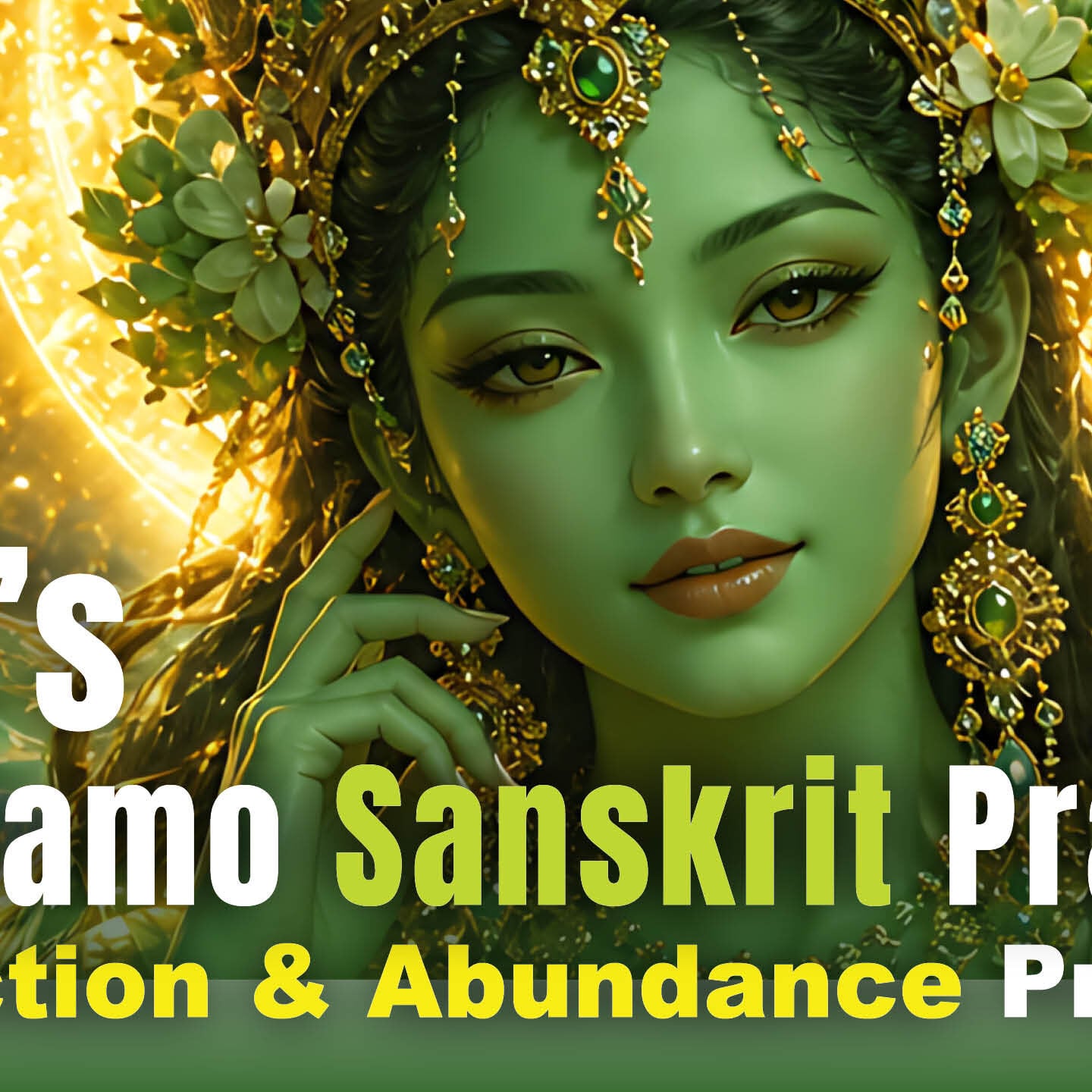
Tara’s 108 Namo Sanskrit Praises 8 Minute Daily Protection & Abundance Practice Sung by Hrishikesh Sonar and Buddha Weekly Band
Search
Latest Features



Please support the "Spread the Dharma" mission as one of our heroic Dharma Supporting Members, or with a one-time donation.
Please Help Support the “Spread the Dharma” Mission!
Be a part of the noble mission as a supporting member or a patron, or a volunteer contributor of content.
The power of Dharma to help sentient beings, in part, lies in ensuring access to Buddha’s precious Dharma — the mission of Buddha Weekly. We can’t do it without you!
A non-profit association since 2007, Buddha Weekly published many feature articles, videos, and, podcasts. Please consider supporting the mission to preserve and “Spread the Dharma." Your support as either a patron or a supporting member helps defray the high costs of producing quality Dharma content. Thank you! Learn more here, or become one of our super karma heroes on Patreon.
Lee Kane
Author | Buddha Weekly
Lee Kane is the editor of Buddha Weekly, since 2007. His main focuses as a writer are mindfulness techniques, meditation, Dharma and Sutra commentaries, Buddhist practices, international perspectives and traditions, Vajrayana, Mahayana, Zen. He also covers various events.
Lee also contributes as a writer to various other online magazines and blogs.

Can you combine the 2 black tara mantras if you have multiple issues in that regard.
♥♥♥ Yes, certainly, and it’s a daily practice for many of us, since the 21 Taras is a daily practice It helps to practice the 21 Taras to bring all 21 Activities, but the two black Tara’s are two of the 21. Ultimately, all the Tara’s are one Tara, but the Mantras themselves represent supplications for slightly different activities. So, certainly, if you are supplicating both activities, it’s encouraged. Even if you don’t face difficults, and later as a practice to retain merit, you can recite all 21 Tara mantras daily in 21 minutes. (we even have a video doing this. There are benefits to listening as well as chanting.) https://www.youtube.com/watch?v=h4GCzOHx6hk&t This helps build your merit and purify all obstacles. In kindness, Lee. Om Tare Tuttare Ture Svaha