


Six Essential Practices of Korean Buddhists: Bowing, Meditation, Yeombul, Mantra, Sutra
By Kim Sung-Su
Korea is known as a very religious society, with an active mix of Buddhists, Christians and indigenous Korean Shamans. Many Koreans are openly cross-spiritual, easily moving between the three.
In Korean Buddhism, there are six essential practices
• Bowing
• Seon (Zen) meditation
• Yeombul — recitation of the Buddha’s name
• Mantra practice
• Sutra recitation practice• Sutra hand transcription practice.
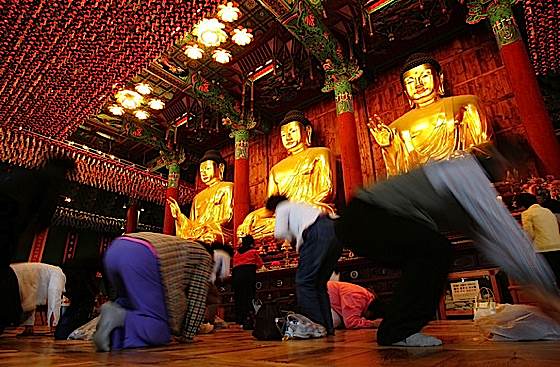
Bowing cultivates the humble mind
Bowing practice develops the humble mind and is possibly the most important focus of Buddhist practice for many Koreans. In a Korean bow, though, a bow from the waist is not a sign of true respect for the Buddha.
According the Korean Buddhist scholar Seong Jae-Hyeon,
“The highest point of the body is the forehead, (while) the lowest is the feet. Placing the loftiest point lower than the other’s bottommost is showing total respect and unmitigated humility.”
Even as a non-religious aspect of life, the bow cultivates humility, patience, concentration and even has health benefits, including improved blood circulation and muscle strength.
The Korean Bow has five steps
Although it appears fluid, the Korean bow is actually five distinct steps:
• bring palmist together
• kneeling
• prostrate the entire body to the ground
• return to the kneel
• stand up.
When done with grace, it appears beautiful and elegant. However it is performed it’s a good physical exercise. Bowing is always practiced in the presence of a statue of the Buddha. Bowing can also be done at any other time, with the Buddha in mind, or while chanting the Buddha’s name, or with any of the other five key daily practices.
Yeombul, or the practice of recitation of Buddha’s name, helps remove obstacles, calms the mind, helps to remove the sense of guilt or karmic burden.
An important ancient practice, that remains common today, is hand transcribing sutras, or reciting with beads. These are the great teachings of Buddha and are help practitioners to overcome negative karma and control greed or anger. In ancient times, sutra transcription would also be a punishment for crimes involving greed or anger.
Korean Buddhism is very much an alive and thriving tradition, flourishing amongst a culture that also values indigenous shamanism and Christian faith.
2 thoughts on “Six Essential Practices of Korean Buddhists: Bowing, Meditation, Yeombul, Mantra, Sutra”
Leave a Comment
More articles by this author

Search
Latest Features



Please support the "Spread the Dharma" mission as one of our heroic Dharma Supporting Members, or with a one-time donation.
Please Help Support the “Spread the Dharma” Mission!
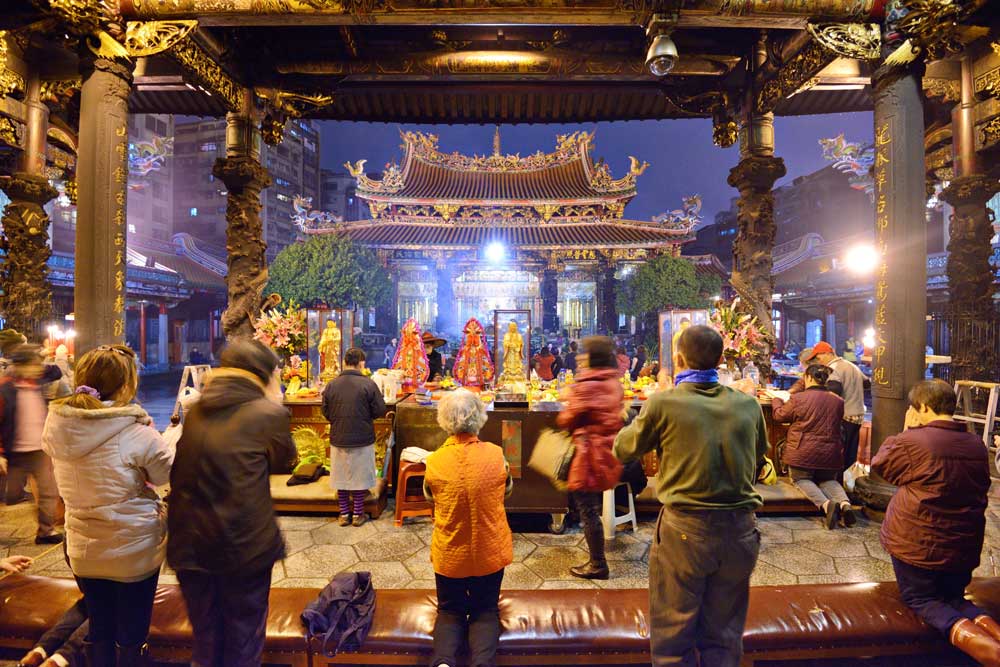
Be a part of the noble mission as a supporting member or a patron, or a volunteer contributor of content.
The power of Dharma to help sentient beings, in part, lies in ensuring access to Buddha’s precious Dharma — the mission of Buddha Weekly. We can’t do it without you!
A non-profit association since 2007, Buddha Weekly published many feature articles, videos, and, podcasts. Please consider supporting the mission to preserve and “Spread the Dharma." Your support as either a patron or a supporting member helps defray the high costs of producing quality Dharma content. Thank you! Learn more here, or become one of our super karma heroes on Patreon.
Kim Sung-Su
Author | Buddha Weekly
Hello. It may be the limitations of my computer (or of me) but I don’t see any discussion of the other 5 everyday Korean Buddhism practices. Is there discussion of the other 5 on this site?
Again, thank you for this gift today!