

Buddhist Ganapuja Tsog “Removes all hardships and difficulties”- Daka and Dakini Blessings
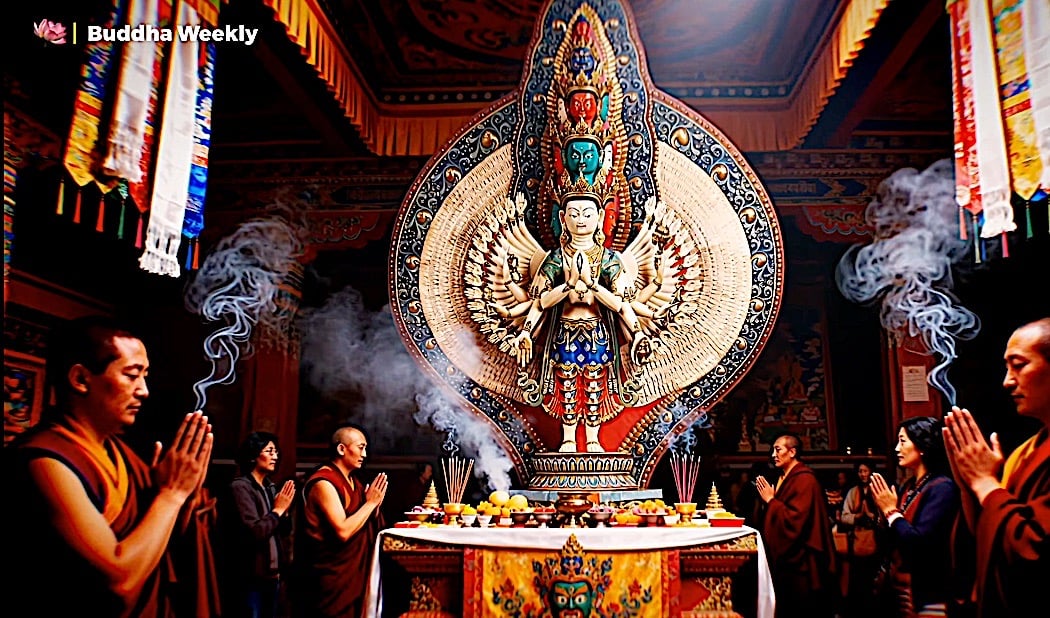
What is Ganapuja or Ganachakra in Vajrayana Buddhism and why is it said to remove all our hardships and difficulties? Why are these offering days considered the most important for accumulating merit in Buddhist practice? Why do we try to make this offering on the 10th and 25th of each lunar month? How can I celebrate? We answer these questions and more, in this short feature (and video below if you prefer) on the importance of Ganapuja and Ganachakra offerings each month.
Accumulation of Merit Offering
Ganapuja is Sanskrit and means Accumulation of Merit Offering. In Tibetan this is called tuncog or Tun chok or Tsog. The Heruka Source texts informs us: “The waxing and waning of each month, if good tsog is offered, then one has no hardships, no difficulties.”
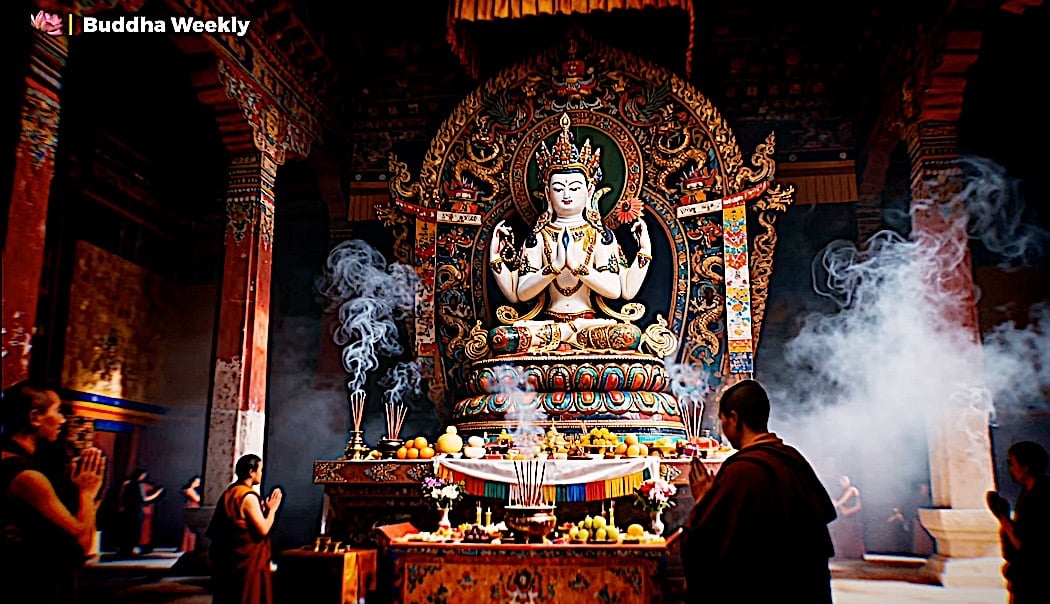
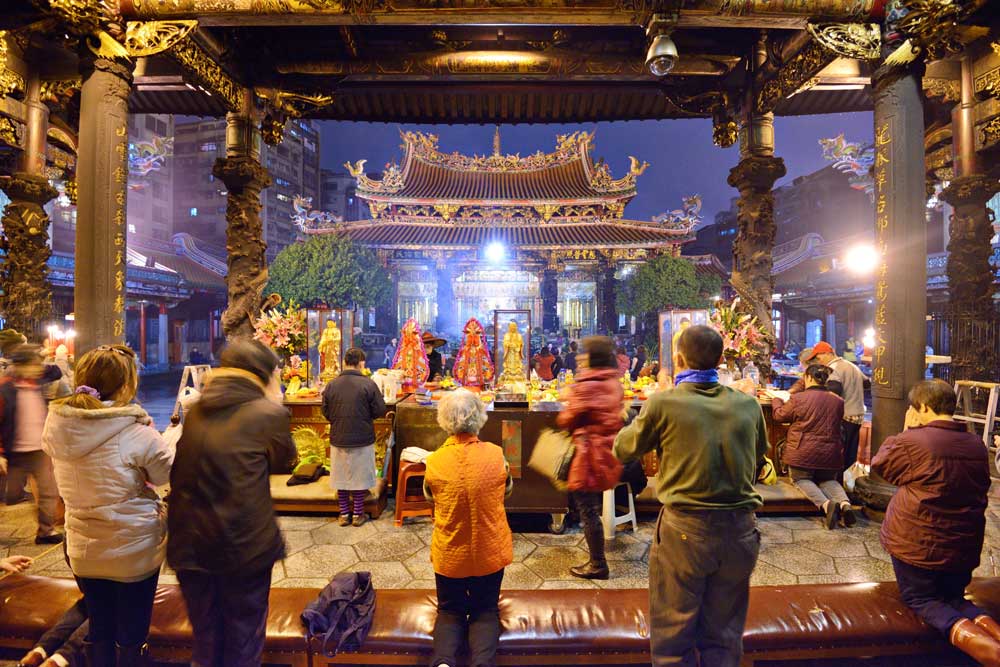
Think of it as a grand celebration. Traditionally Ganapuja is a gathering of people. In ancient times, this might be the village, or the Sangha coming together in celebration and offering, followed by a feast. First we make offerings, a feast for the Three Jewels, our Yidams, Dakinis and Protectors to create merit. And, then we sit down together and feast and celebrate.
For many Buddhists, the Ganachakra or Tsok is a commitment from our teacher, as part of our vows to accumulate merit as a Bodhisattva.
Video Documentary on Ganapuja and Ganachakra or Tsog:
But, many wonder why we are told to do this on the 10th and 25th of each lunar month, which are both 2 days after the two quarter moons, the quarter waning and quarter waxing moons.
The Tsok or Ganachakra honors the “activity” deities. On the 10th lunar, in the waxing phase of the moon, is often called Daka Tsok, we focus on the male aspects of activity, representing “active compassion” and “method” or upaya. Daka, just means “hero.” This includes the Bodhisattvas, and the more wrathful Heruka’s and all Male Yidams. We also honor Guru Rinpoche on the 10th Lunar Day.

The Tsok or Ganachakra on the 25th in the waning phase of the moon, is honors the Dakinis, the female activity Enlightened Deities. The 25th is Dakini Tsok, which focuses on the Wisdom Dakinis who represent Enlightened Wisdom in Action.
Days We Need Attention of our Guru, Buddha, Dharma and Sangha
Why is this? They are considered the days when we need the attention of our Guru, Buddhas, our Yidams, our Dakini practices and our Dharma protectors.
A chanted Sanskrit practice of the 5 Buddha families (includes the Herukas and Dakinis) with 10 Auspicious mantras. The practice is called the 5 Oceans of Merit practice and includes Refuge, renewal of Bodhisattva vow and the 5 Buddha Family praises and vows. This is a perfect Ganapuja or Tsog day practice “5 Buddha Families Puja Daśa Puṇyasāgarāḥ 10 Auspicious Mantras in Sanskrit 🎵 for FULL MOONs”
The first one is considered extremely auspicious, on the 10th of the lunar month in the waxing phase – when energies are increasing, and our creativity and prosperity is growing. We celebrate on this day to give thanks. This is waxing crescent moon 79 percent, the 10th Lunar Day, dedicated to honoring the Herukas, and Dharma Heroes such as Guru Rinpoche.
Video 8-Minute practice for Guru Rinpoche Days on 10th Lunar (this is Guru Rinpoche and Heruka or Daka Tsog or Ganapjua Day) — recited in English:
The second one, which is 2 days after the second quarter on Lunar 25th day is in the waning period of the moon month. It is considered inauspicious as a waning crescent moon at 21 percent, right after the moon phase transitions into waning or weakening. We need Dakini wisdom, activity, power and energy to offset the inauspicious energy. This is the day of the Dakinis, which we invoke and praise and make offerings to to bring us good fortune. During the waning times, we look for Dakini blessings.
On the first Ganachakra day, the 10th, we tap into the positive energy with the vast Heruka merit and practices. On the second Ganachakra day, the 25th, we seek refuge and protection from the Wisdom Dakinis to keep us safe in the inauspicious times.
Either way, we are accumulating vast merit, not only to help ourselves, but so that we can help others.
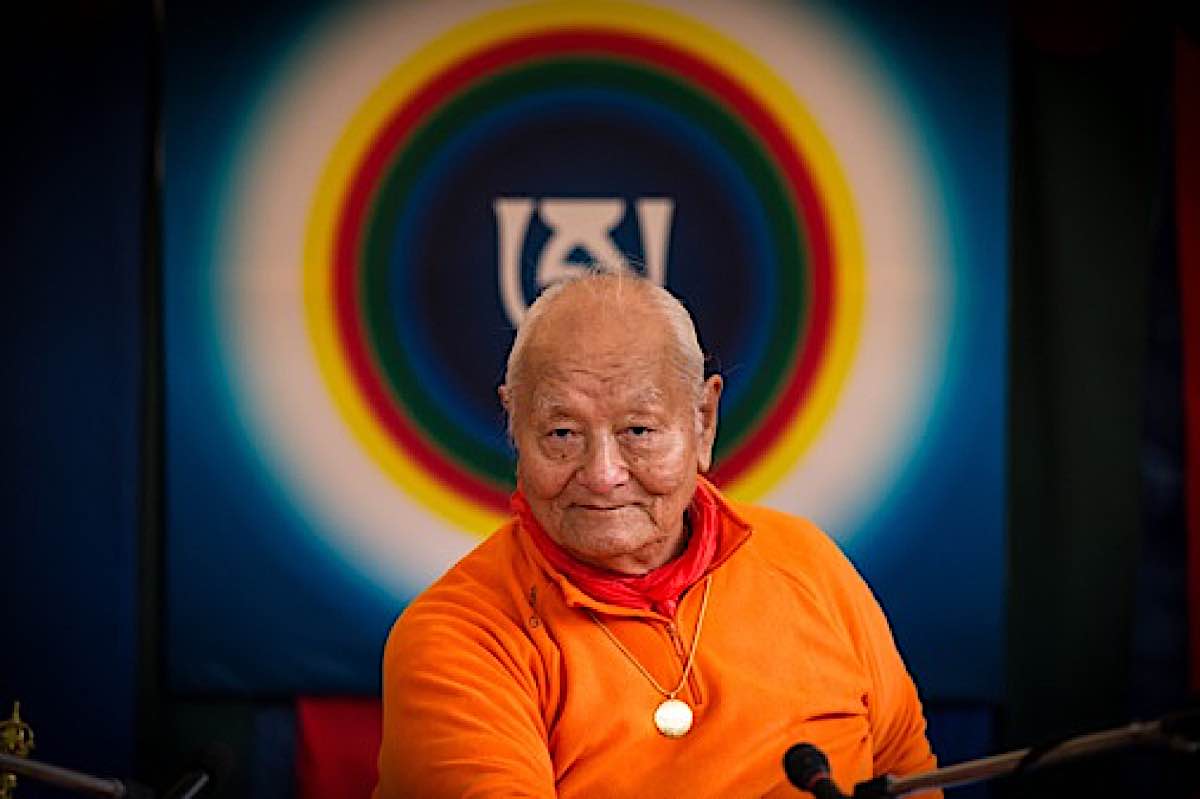
The great Dzogchen teacher Chögyal Namkhai Norbu, explained the Tibetan word Tsog this way: “We call the Ganapuja tun cog. Tun is practice session for a limited time, cog means ‘accumulation of merit’ via good actions. So Ganapuja means accumulation or gana through offering puja.”
Heruka Root Text: When to Offer
From the Heruka Root Text, it says: “Make tsog offerings every waxing and waning of each month.” Tsog is also called Ganachakra in the context of formal Highest Yoga practice. Ganachakra just means “accumulating wheel.”
Lama Zopa describes the real meaning of Tsog:
“The very highest meaning of tsog is to join method and wisdom. The real meaning of experiencing tsog is the transcendental wisdom, non dual great bliss – the wisdom of emptiness, the non-duality of that, and uniting these two. That is the very essence of tsog. It is the offering of that experience, oneself experiencing it, the male and female heroes and heroines, of which the essence is the guru deity, and oneself also experiencing that, as the guru deity. The real meaning of tsok is integrating method and wisdom, the transcendental wisdom, non-dual bliss and voidness.”
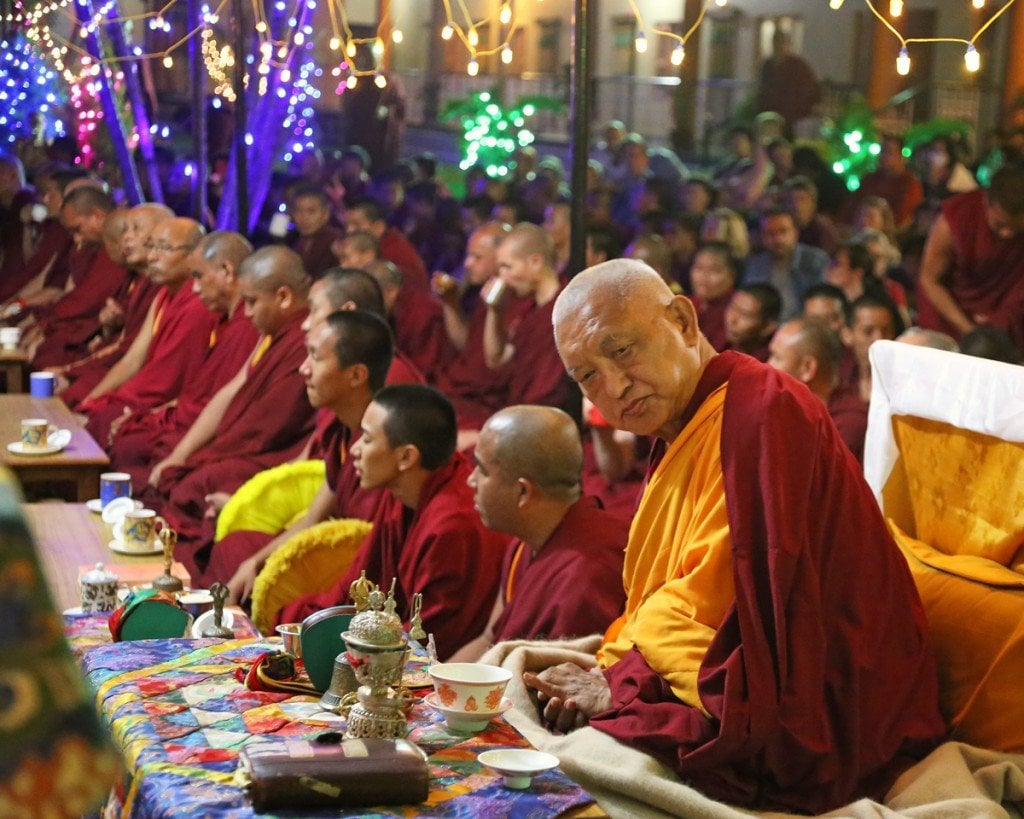
Gana or accumulation offerings in general, should be a daily Buddhist practice to accumulate merit. We’ve covered the importance of accumulating merit and virtue in many other videos, some linked at the information icon.
Ganapuja can be performed any day and creates the conditions of vast merit. Typically, the Ganapujas are celebrated at least on the full moon, new moon, 8th lunar Day, which is Tara or Activity Day on the first quarter moon, and also the 23rd day, which is second quarter moon. These are extra merit practice days.
Commitments for Senior Students or Disciples
To this, advanced students and yogis and yoginis often have the commitment to Ganachakra, which is on the 10th and 25th. So the senior practitioners usually have the Ganapuja days, along with the two Ganachakra days.
The 10th honors the Heruka Heroes such as Vajrakilaya, Hayagriva, Chakrasamvara and others. It is also for Guru Rinpoche, the Yidams, Wisdom and Compassion, and the Three Jewels and Three Roots, and, of course, our gurus.

The 25th honors the Dakinis, and is often called Dakini Day, honoring the Wisdom Activity Dakinis, and the Three Jewels and Three Roots, and our gurus.
Lotus Song of Magnetizing (Wangdu) is a practice often performed on Tsog or any moon day. Chant along in Sanskrit (subtitled) with @3GemsBand:
On both days, we also honor our Gurus and gather with our Gurus and Sangha either in person, or in spirit by dedicating the merit to them and all beings.
Of these, only Ganachakra days are commitments. Any other Ganapuja days are merit-accumulation practices for the benefit of all beings, and in devotion to our Yidams, Buddha, Dharma, Sangha, but not usually a commitment.
Video about the 4 Special Lunar Days each month and the Practice of the 5 Buddhas:
How do we do a Ganachakra Offering?
For those with the commitments, there is a Sadhana they will follow, whether they are able to gather with their Sangha or not. On those two days, it is considered mandatory. But, don’t panic. If it is missed, you simply do it the next day.
The important thing is to do the offering, accumulate the merit and renew our vows.
For those without specific commitments, we offer GanaPuja on those days. You don’t have to have commitments to enjoy the merit, festivity and purification of a heartfelt GanaPuja.
The key element is to make offering, from the heart, even a visualized offering. If possible, we prepare a small tray of offerings with various yummy foods and tea, milk or water For Ganachakra, usually nectar or wine is added..
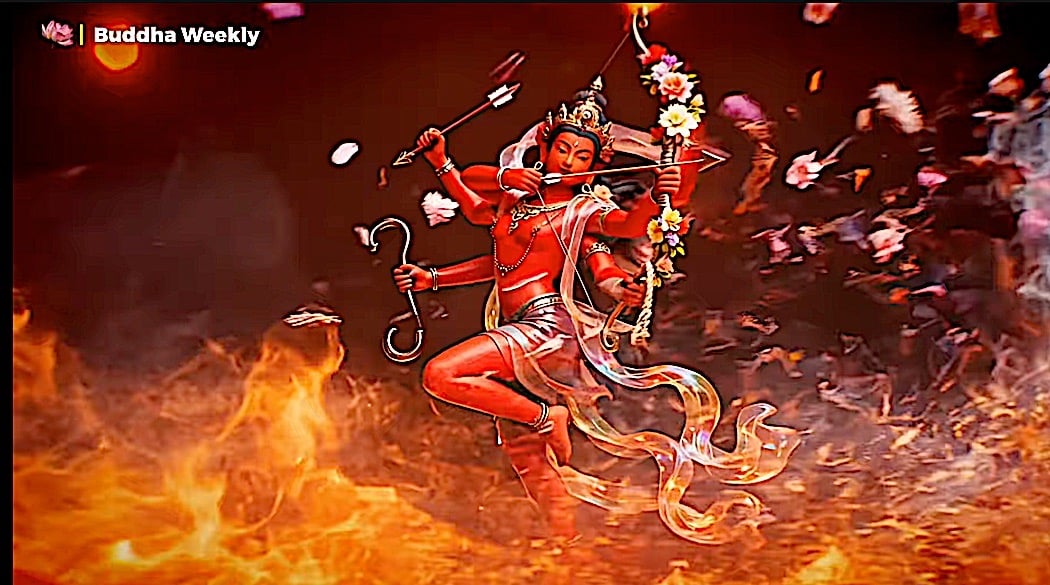
His Eminence Garchen Rinpoche advises that we either sing the praises or chant in our own language. He wrote, in his superb book Vajrakilaya:
“By using chantable texts disciples will be able to maintain the offerings and practice without outside support.” He also advises it’s important, even if you chant in Sanskrit or Tibetan to know what is being said in your own language. He said: “This is why we have undertaken the difficulties of translating the texts into English in verse form, learning the rituals, using melodic chanting and musical instruments and the like.”
The other important element of Ganapuja and Ganachakra is vows. By renewing our vows on these days we purify any downfalls and negative karma.
3 Gems Band has a beautiful Sanskrit version of the Five Buddha Vows titled the 5 Buddha Families Puja with 10 Auspicious Mantras in Sanskrit. This is a wonderful offering you can make every moon day and the 10th and 25th of the lunar month to overcome the unlucky aspects of those days, and to purify all karma and renew our bond to the Five Buddhas. If you prefer to recite along, rather than sing, we’ve linked the recitation video titled: 8-Minute Karma Repair Practice: 5 Buddha Vows, Bodhisattva Vow and Refuge.
Place a tray or bowls of offerings in front of the Buddha or your Yidam on your altar before you sing and recite.
If you are doing Tsog or Ganachakra, there are extra steps, including offering to the Yidams, the Protectors, the Dakinis and special dedications, and often this is with your teacher and sangha. For these, you’ll follow the customs of your lineage. The important thing is to create the merit from offerings and from restoring your Refuge, Bodhisattva and Vajrayana Vows.
We dedicate the merit of this presentation to the benefit of all sentient beings.
More articles by this author

Where is Buddha? Where are Purelands? Where is the most Sacred Place? “Your mind” is where you’ll find Buddha, Dharma and Sangha

Special Merit Opportunity: Avalokiteshvara Guanyin’s “Money Borrowing Day” — Need a Loan on your “merit”? March 14, 2026 is the Day
100-Syllable Yidam Samaya Mantra: Union, Bliss, Bonding, Renewal, Purification, Wish Fulfilment and Wisdom

Search
Latest Features



Please support the "Spread the Dharma" mission as one of our heroic Dharma Supporting Members, or with a one-time donation.
Please Help Support the “Spread the Dharma” Mission!
Be a part of the noble mission as a supporting member or a patron, or a volunteer contributor of content.
The power of Dharma to help sentient beings, in part, lies in ensuring access to Buddha’s precious Dharma — the mission of Buddha Weekly. We can’t do it without you!
A non-profit association since 2007, Buddha Weekly published many feature articles, videos, and, podcasts. Please consider supporting the mission to preserve and “Spread the Dharma." Your support as either a patron or a supporting member helps defray the high costs of producing quality Dharma content. Thank you! Learn more here, or become one of our super karma heroes on Patreon.
Lee Kane
Author | Buddha Weekly
Lee Kane is the editor of Buddha Weekly, since 2007. His main focuses as a writer are mindfulness techniques, meditation, Dharma and Sutra commentaries, Buddhist practices, international perspectives and traditions, Vajrayana, Mahayana, Zen. He also covers various events.
Lee also contributes as a writer to various other online magazines and blogs.