

Video: Yamantaka Vajrabhairava, the Death Destroyer: ultimate wrathful form of Enlightened Wisdom
Conquering the maras and even death is at the very heart of Buddhism.
As the death destroyer, Yamantaka symbolizes this aspiration, and his meditational deity practice is designed to achieve that goal.
No deity is more misunderstood than the buffalo-headed deity Vajrabhairava, also known as Yamantaka.
Wrathful barely begins to describe Yamantaka.
Yet, he is none other than the great Bodhisattva of wisdom, Manjushri, in his most terrible and powerful form.
How should we relate to such deliberately terrifying aspects of Enlightenment?
Why is Yamantaka considered a Highest Yoga Practice?
In what way can he “destroy death?” We try to answer these questions, and more, in this special feature video introduction to the ultimate form of Manjushri, Buddha of Wisdom.
More articles by this author

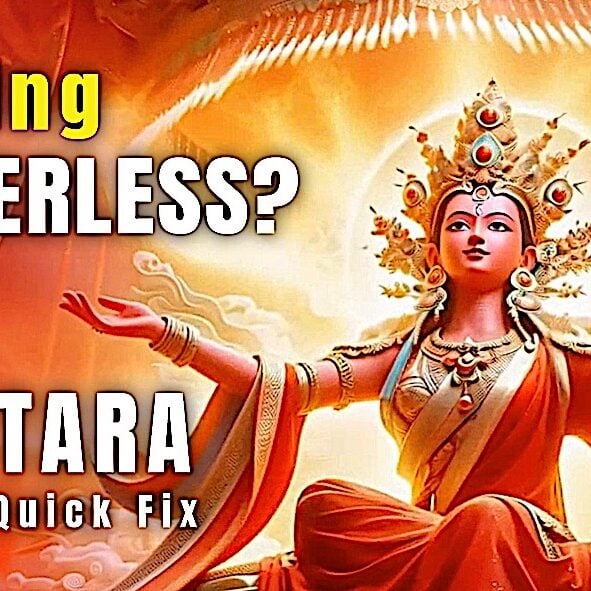
SUPPORTING MEMBERS VIDEO: Quick Mantra Fix: 10th Red Tara When You Feel Powerless or Helpless Emergency Time Out
SUPPORTING MEMBERS: 21 Tara Seed Syllables – Buddhist Sleep Protection Mantra and Meditation: Play as you Sleep 2 hour version Sanskrit
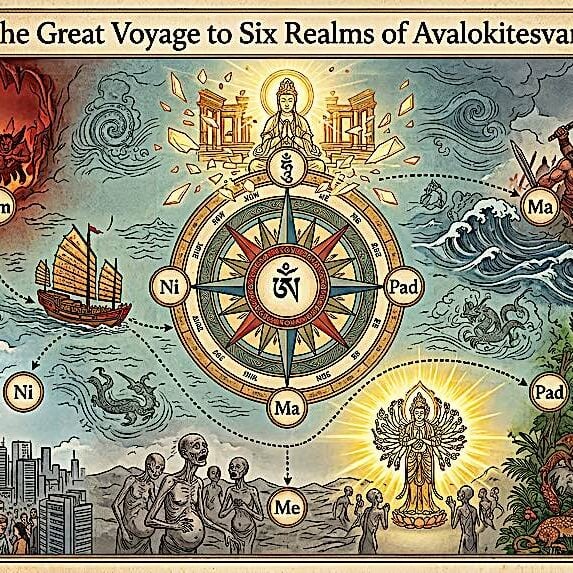
6 Avalokitesvara Heroes Overcoming 6 Poisons with 6 Syllables: Om Ma Ni Pad Me Hum: Enlightened Odyssey

Search
Latest Features

Please support the "Spread the Dharma" mission as one of our heroic Dharma Supporting Members, or with a one-time donation.
Please Help Support the “Spread the Dharma” Mission!

Be a part of the noble mission as a supporting member or a patron, or a volunteer contributor of content.
The power of Dharma to help sentient beings, in part, lies in ensuring access to Buddha’s precious Dharma — the mission of Buddha Weekly. We can’t do it without you!
A non-profit association since 2007, Buddha Weekly published many feature articles, videos, and, podcasts. Please consider supporting the mission to preserve and “Spread the Dharma." Your support as either a patron or a supporting member helps defray the high costs of producing quality Dharma content. Thank you! Learn more here, or become one of our super karma heroes on Patreon.
Lee Kane
Author | Buddha Weekly
Lee Kane is the editor of Buddha Weekly, since 2007. His main focuses as a writer are mindfulness techniques, meditation, Dharma and Sutra commentaries, Buddhist practices, international perspectives and traditions, Vajrayana, Mahayana, Zen. He also covers various events.
Lee also contributes as a writer to various other online magazines and blogs.