

VIDEO: Amitabha Phowa (Powa) Teaching / Guided Meditation from Ven. Zasep Rinpoche Overcome Fear of Death
Venerable Zasep Tulku Rinpoche’s concise commentary and guided meditation on the profound practice of Tibetan Phowa (pronounced Powa) — the transference of our consciousness to the Pureland of Amitabha Buddha. This practice is renowned for “healing the mind” and is a higher practice that helps us overcome “fear of dying.” Video ends with Amitabha mantra chanted by the amazing Yoko Dharma.
Video:
TEACHER GUIDANCE: This is generally a higher tantric practice, and normally requires guidance (in person) from a teacher of lineage. Rinpoche instructed that — because this is Amitabha Powa — it is acceptable to practice (if one is serious) for students who need Phowa practice (for example, someone who is preparing for death, has a loved one who might die, or a student who is serious about Powa practice), but who do not have Higher Yoga initiation. This is because this is Amitabha Phowa (powa), and Amitabha and his Pureland, are accessible practices to anyone. Rinpoche does ask students to view this as an educational video and — if practiced — to do so seriously, and preferably under guidance of one’s teacher.
Phowa practice, as a regular practice, prepares us for the uncertain time when we will actually pass away, training our minds (consciousness) in how to reach the Light of Amitabha and his Pure land Sukhavati. In daily practice, we visualize our consciousness going and then coming back.
For all of us — as in daily practice we visualize our consciousness both going to the pureland and returning to our own body — Rinpoche explains how you visualize Amitabha descending to your crown, then transforming into Amitayus Buddha at your heart. Amitayus is a manifestation of Amitabha specifically for “long life” practice.
MANTRA of Amitabha (also chanted at the end of this video by Yoko Dharma!)
Om Ami Dewa Hri
MANTRA of Amitayus:
OM A MA RA NI DZI WAN TI YE SOHA
Video ends with wonderful Amitabha mantra chanting by Yoko Dharma.
#Buddhism #BuddhaWeekly #Vajrayana #Mahayana #Amitabha #Amida #Powa #Phowa #TibetanBuddhism
More articles by this author
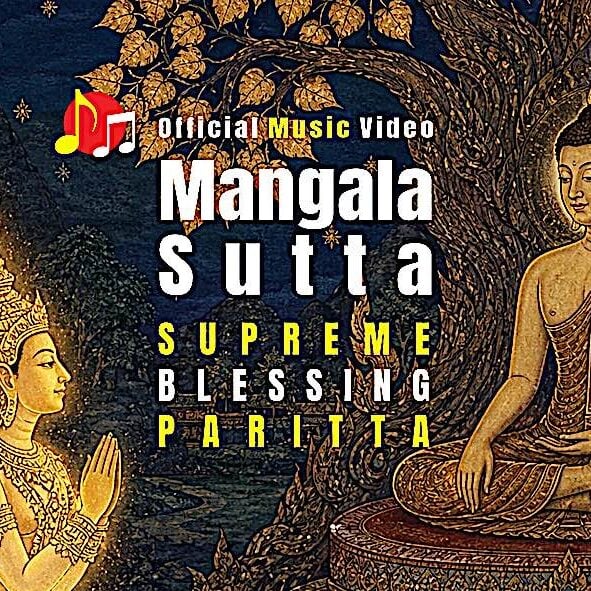
SUPPORTING MEMBERS VIDEO: 38 Blessings of the Maṅgala Sutta Paritta – The Supreme Blessings Sutra Official MV
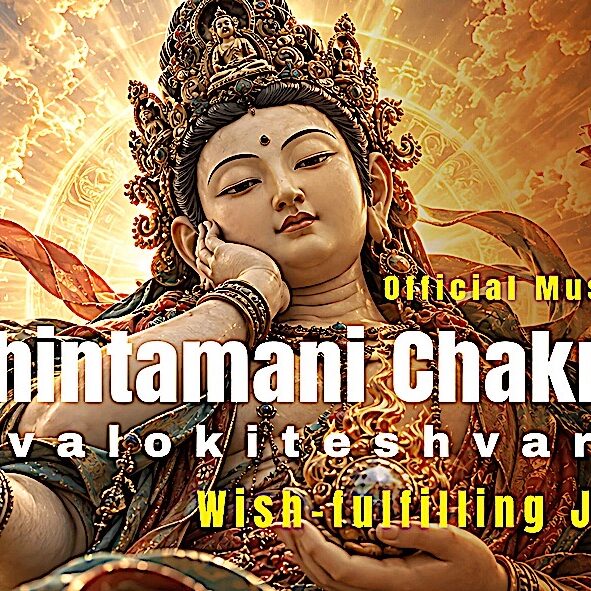
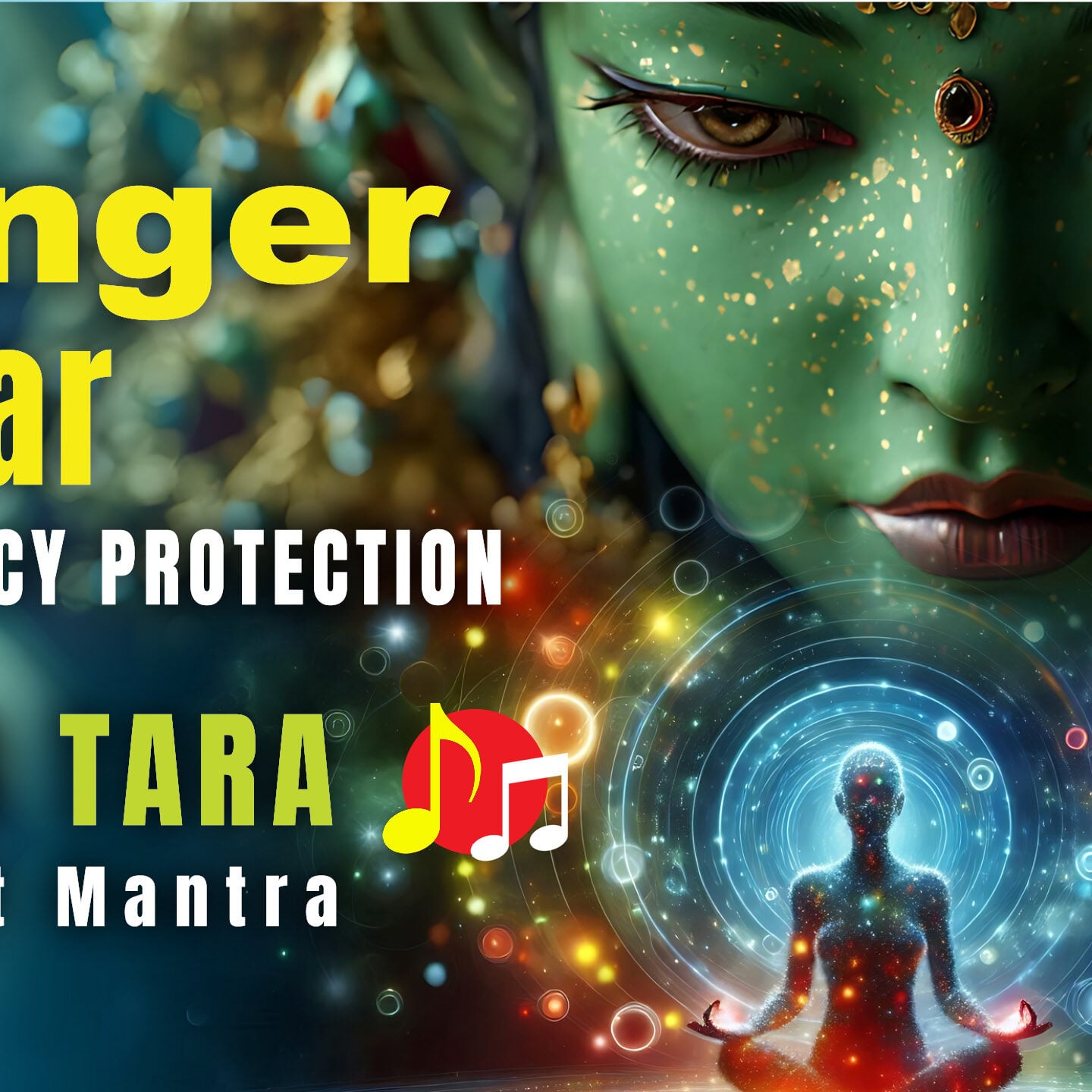
VIDEO EMERGENCY MANTRA TIMEOUT! Danger & Fear: Emergency Protection Time Out! Instant Safety with Green Tara
SUPPORTING MEMBERS VIDEO: Sitatapatra Protection and Activity Mantras – Ultimate Protection from Sutra Official Music Video
Search
Latest Features


Please support the "Spread the Dharma" mission as one of our heroic Dharma Supporting Members, or with a one-time donation.
Please Help Support the “Spread the Dharma” Mission!
Be a part of the noble mission as a supporting member or a patron, or a volunteer contributor of content.
The power of Dharma to help sentient beings, in part, lies in ensuring access to Buddha’s precious Dharma — the mission of Buddha Weekly. We can’t do it without you!
A non-profit association since 2007, Buddha Weekly published many feature articles, videos, and, podcasts. Please consider supporting the mission to preserve and “Spread the Dharma." Your support as either a patron or a supporting member helps defray the high costs of producing quality Dharma content. Thank you! Learn more here, or become one of our super karma heroes on Patreon.
Lee Kane
Author | Buddha Weekly
Lee Kane is the editor of Buddha Weekly, since 2007. His main focuses as a writer are mindfulness techniques, meditation, Dharma and Sutra commentaries, Buddhist practices, international perspectives and traditions, Vajrayana, Mahayana, Zen. He also covers various events.
Lee also contributes as a writer to various other online magazines and blogs.