


Shakyamuni Gautama Buddha’s Renunciation Day (March 17) and His Journey to Spiritual Awakening

In the Mahayana Buddhist tradition, the most important days for celebrating the glorious Awakened Buddha Shakyamuni Gautama Buddha, are his Birthday, Renunciation Day, Paranirvana Day.
His Renunciation Day, which falls on the 8th day of the 2nd Lunar Month, this year on Sunday March 17, 2024, celebrates the day he renounced his life as a worldly prince to pursue the Bodhisattva mission to solve the mystery of suffering and safe sentient beings from Samsara.
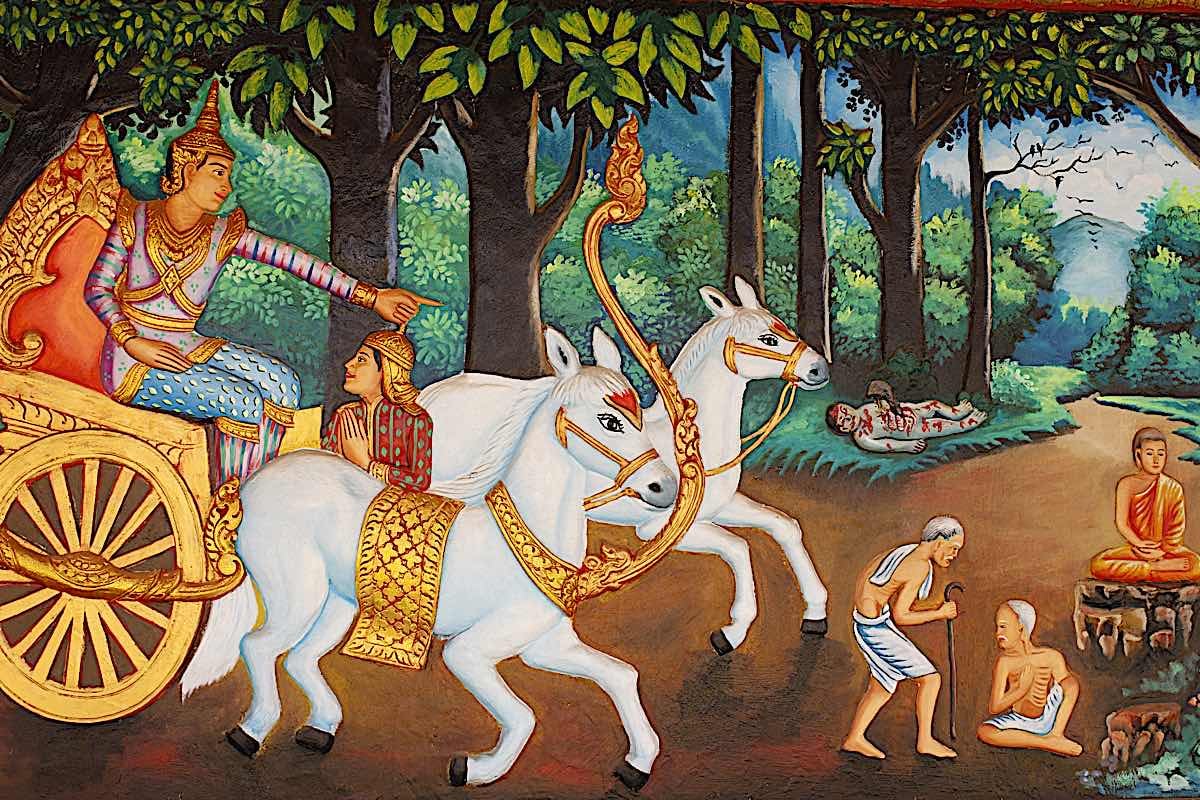
The precursor to that Holy Day were the “four sights” when a young Gautama saw the four sufferings of birth, sickness, old age and death, and resolved to help free all beings from this miserable cycle.
Verifiable Date: 534 B.C. Buddha sees the four sights: Suffering
True to predictions of the sages — and despite his father’s fiercely protective tactics — Prince Siddartha escaped the palace and saw the four sights of suffering: poverty, illness, old age, and death. He also saw religious ascetics. His “existential crisis” led to his life’s mission — to release the world from all suffering.
This event is verifiable according to scholars and archeological findings (see below.)
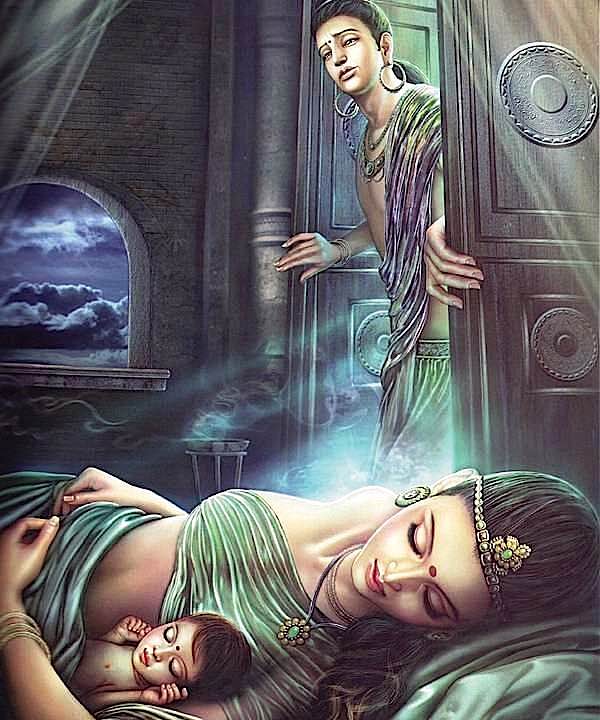 Buddha determines to leave his wife Yasodhara and son Rahula to seek Enlightenment — to release them from ultimate suffering in Samsara. Later, they both become his followers.
Verifiable Date 534 B.C. Siddartha leaves home
With compassion awake in the young Prince Siddartha, he became driven to overcome the suffering of Samsara. In a dramatic moment, Siddartha determined to leave home — quietly leaving the palace to avoid his father’s guards. He knew he must abandon his conventional, privileged life, to seek the answers that would save all beings from the eternal cycle of suffering.
Dramatically, he left his beloved wife and child — knowing he must for the ultimate benefit — cut his hair and left behind even his inseparable horse. Cutting his hair was a symbol of leaving behind his ordinary life. He traveled south, seeking out other spiritual seekers, and ended in Magadha (current Bihar) where he begged on the streets.
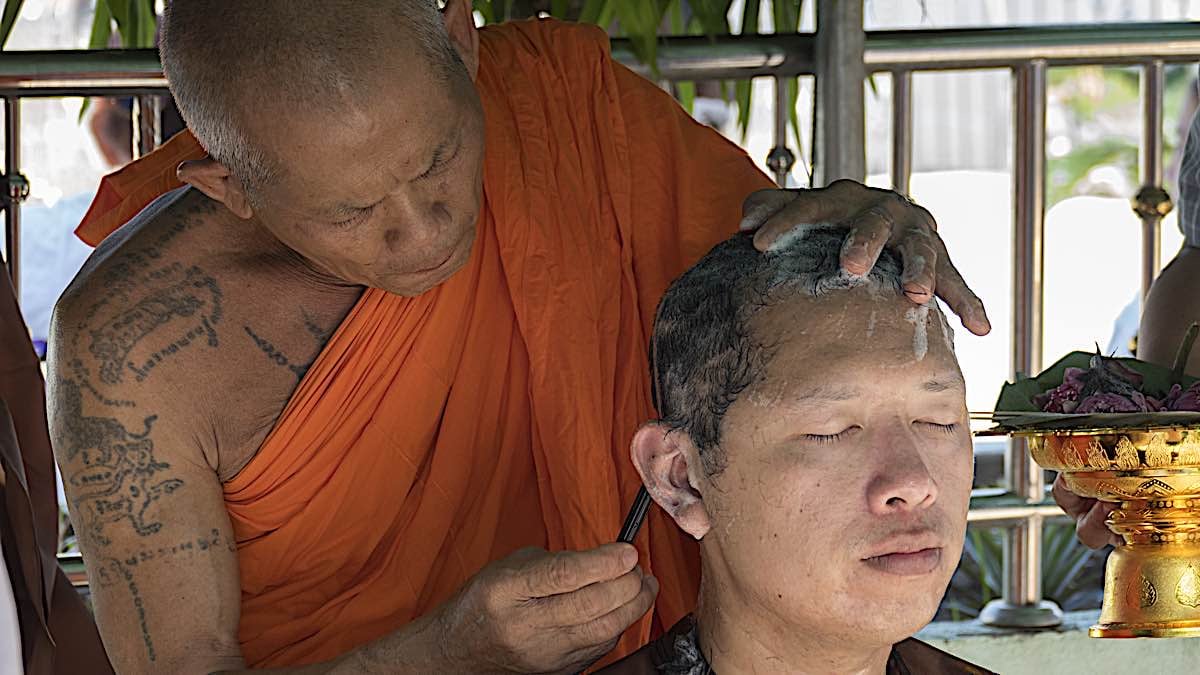
How we Celebrate Renunciation Day
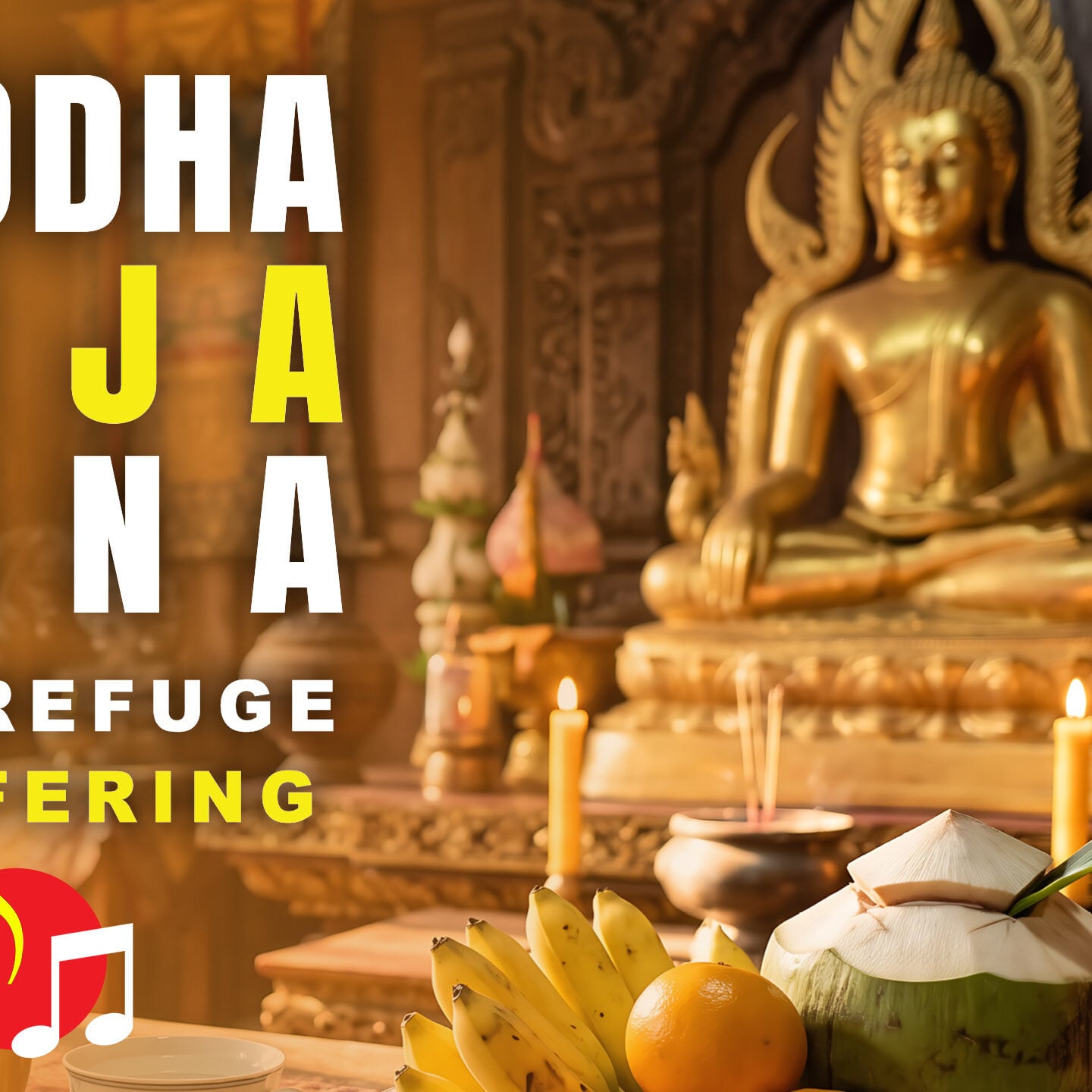
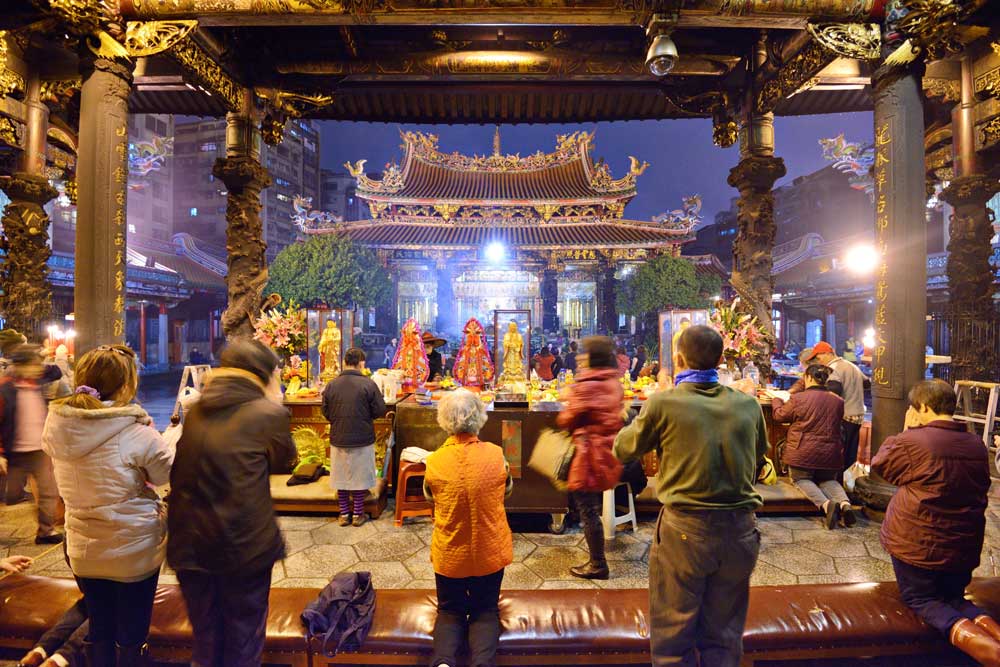
On this day of commemoration, we celebrate with meditation, offering, sutra recitation and mantras. As this is the day of renunciation, it is often a lay practice to renounce for 24 hours on this day. Engaging in practice and meditation rather than worldly activities. It is the day to go to the temple, make offerings to the Sangha and supporting the Dharma, volunteering for Dharma work and practice.
Taking Refuge in the Three Jewels, and Bodhichitta Vows on this day is especially meritorious, as are acts of generosity, with merit on Special Buddha Days multiplied.
A Timeline of the Buddha
Birth of Buddha — 6th Century BCE
In 2013, National Geographic reported on archaeologists in Nepal who discovered verifiable evidence of a structure at the birthplace of the Buddha — dating to the sixth century B.C. As quoted from the National Geographic Society (Nov 25, 2013):
“Pioneering excavations within the sacred Maya Devi Temple at Lumbini, Nepal, a UNESCO World Heritage site long identified as the birthplace of the Buddha, uncovered the remains of a previously unknown sixth-century B.C. timber structure under a series of brick temples. Laid out on the same design as those above it, the timber structure contains an open space in the center that links to the nativity story of the Buddha himself…”
Their peer-reviewed findings are reported in the December 2013 issue of the international journal Antiquity. The research is partly supported by the National Geographic Society.
“UNESCO is very proud to be associated with this important discovery at one of the most holy places for one of the world’s oldest religions,” said UNESCO Director-General Irina Bokova, who urged “more archaeological research, intensified conservation work and strengthened site management” to ensure Lumbini’s protection.
The majority of scholars accept this story as “nonmythical” — that Buddha did contemplate in this way. Clearly, he did become one of the greatest and most influential teachers, based on the realizations he attained in his meditations.
563 B.C. Conception to the Sakyas
Sakyamuni (Shakyamuni) Gautama Buddha’s conception — in much of Asia, conception is the celebratory date, rather than the actual date of birth. [2] Famously, Queen Maha Maya, Buddha’s mother, had a conception dream of a white elephant with six tusks descending from heaven to enter her womb. His title Sakyamuni (pronounced Shakyamuni) literally means ‘sage’ of the Sakyans — where Sakya was his father’s kingdom or oligarchic republic (located in modern-day Nepal). Muni literally means “sage.” Śākyamuni (शाक्यमुनि) is title of Buddha fist cited in Mahāprajñāpāramitāśāstra (chapter VI).
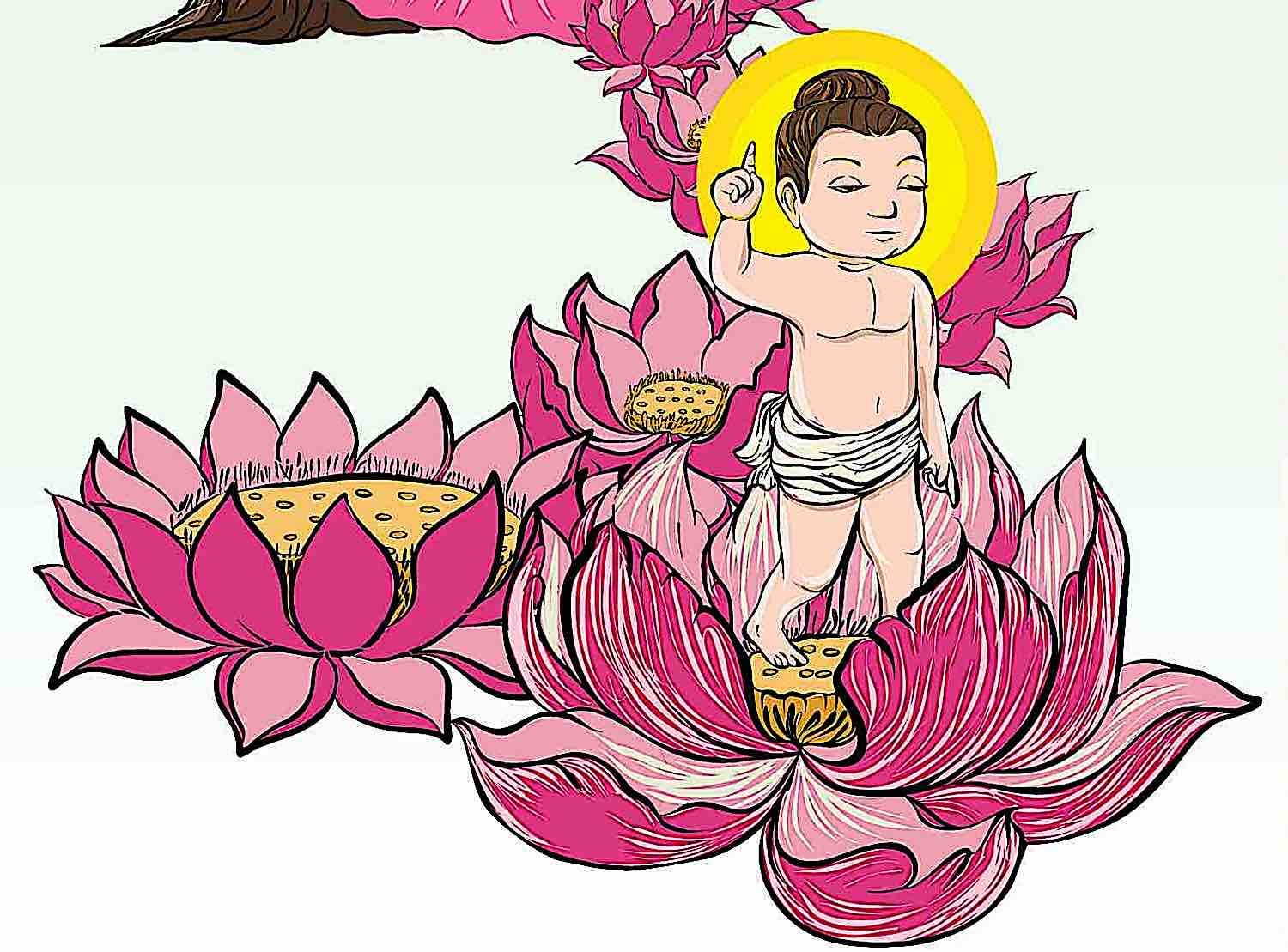
563 B.C. Siddartha’s Birth in Lumbini Nepal
Buddha was actually born Prince Siddartha, in Lumbini Nepal. According to tradition:
“Buddha emerged from his mother’s side, as she stood leaning against a tree, in a painless and pure birth.” [2]
He was named Siddartha (or Sarvathasiddha) — literally meaning “a man who achieves his goals” — by his father the king, who was determined he would be a great worldly king and conqueror, not a Buddha as predicted by the sages. His mother passed away, and he was brought up by his aunt Mahaprajapati.
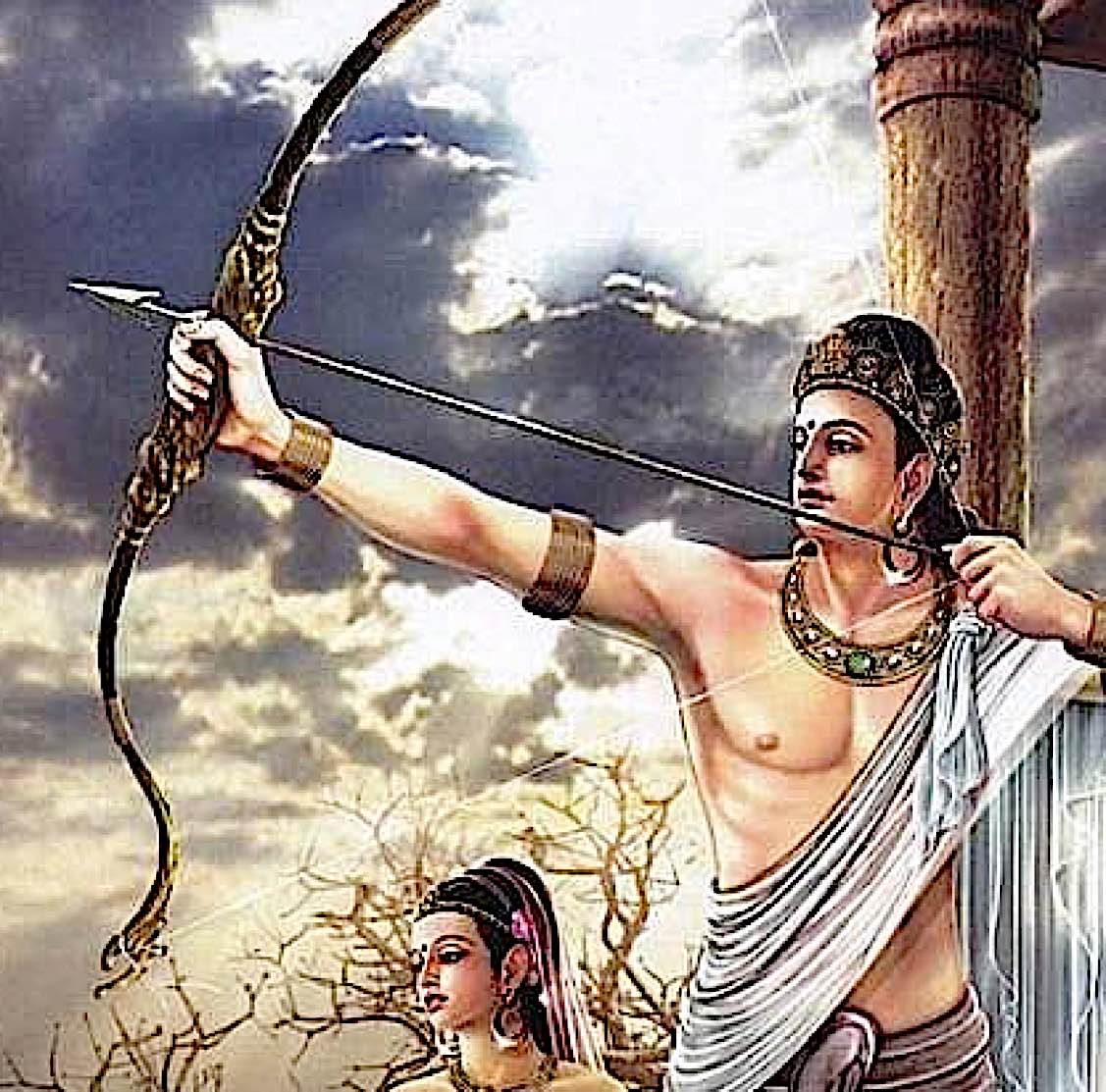
548 B.C. Siddartha’s marriage to Yasodhara
His father the king determined he must be sheltered from the suffering of the world to remove any causes that might arise compassion in the young prince. True to his father’s aspirations, he was brought up a privileged prince, sequestered in the palace. He was married to young Yasodhara, who conceived their son Rahula.
Siddartha grew up in Kapilavastu, the capital, and became very accomplished in “kingly arts” including the martial arts.
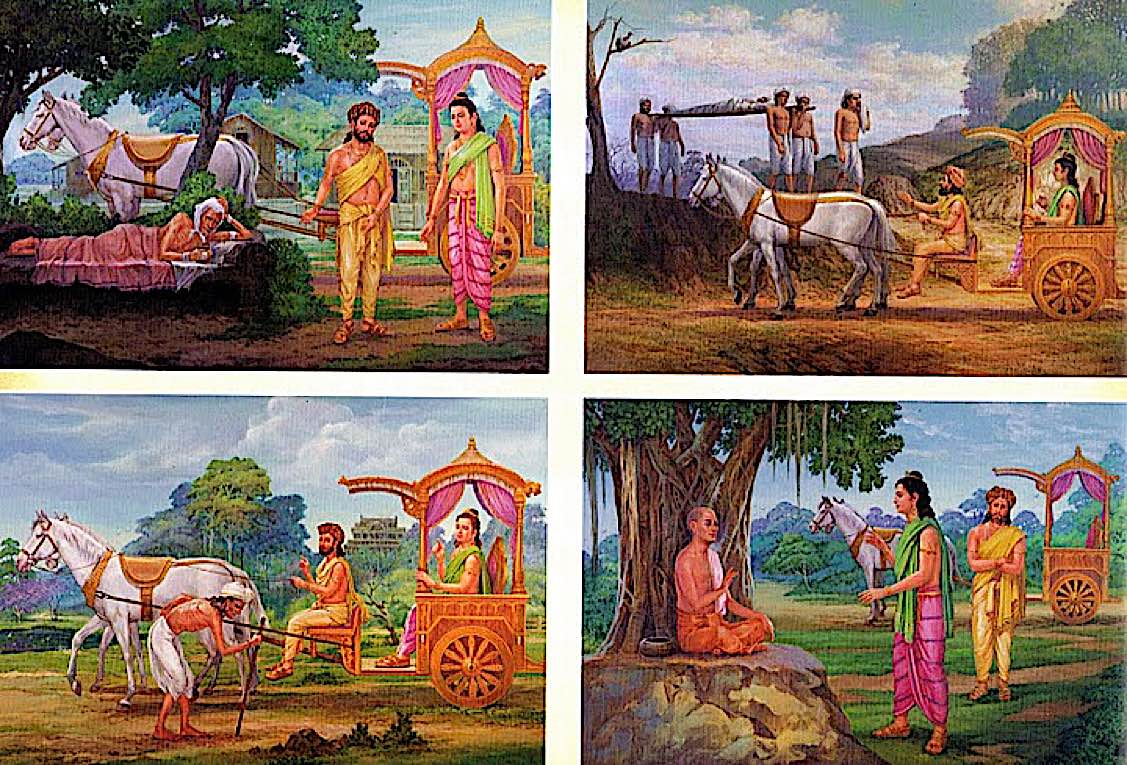
534 B.C. Buddha sees the four sights: Suffering
True to predictions of the sages — and despite his father’s fiercely protective tactics — Prince Siddartha escaped the palace and saw the four sights of suffering: poverty, illness, old age, and death. He also saw religious ascetics. His “existential crisis” [2] led to his life’s mission — to release the world from all suffering.
534 B.C. Siddartha leaves home
With compassion awake in the young Prince Siddartha, he became driven to overcome the suffering of Samsara. In a dramatic moment, Siddartha determined to leave home — quietly leaving the palace to avoid his father’s guards. He knew he must abandon his conventional, privileged life, to seek the answers that would save all beings from the eternal cycle of suffering.
Dramatically, he left his beloved wife and child — knowing he must for the ultimate benefit — cut his hair and left behind even his inseparable horse. Cutting his hair was a symbol of leaving behind his ordinary life. He traveled south, seeking out other spiritual seekers, and ended in Magadha (current Bihar) where he begged on the streets.
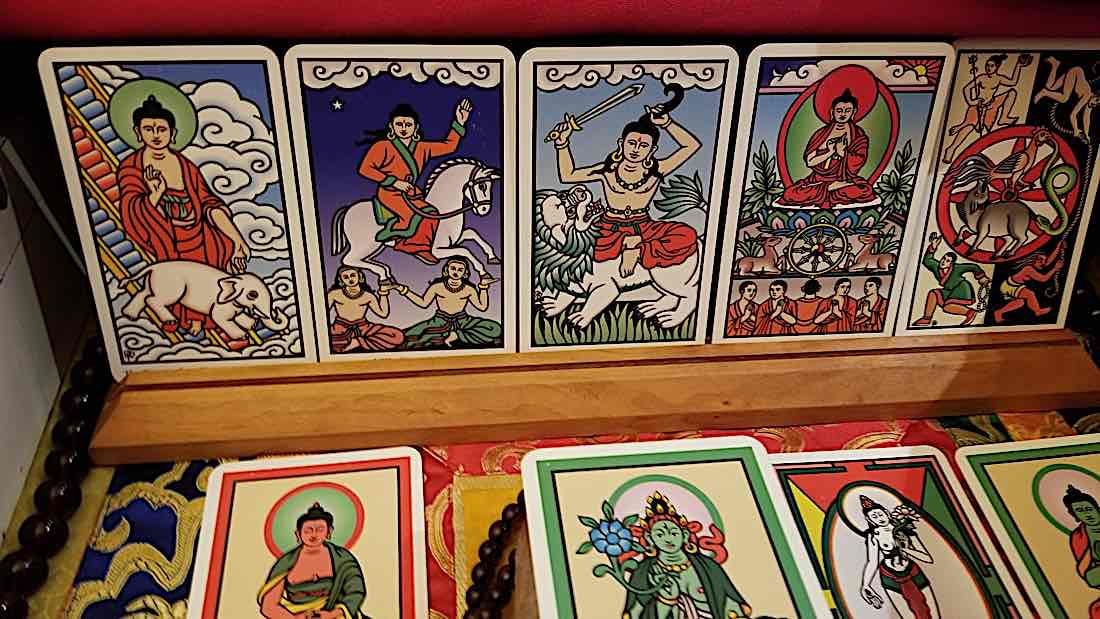
533 B.C. Siddartha Meditates in Magadha
Like most spiritual seekers, Siddartha sought out and trained with many meditation teachers — notably “the masters Ālāra Kālāma and Uddaka Rāmaputta” [2]
He learned and mastered with the best of the great sages of the time, attaining great realizations, but not the ultimate solution. He determined they did not have the final “permanent” solution, and decided he must seek the solution on his own.
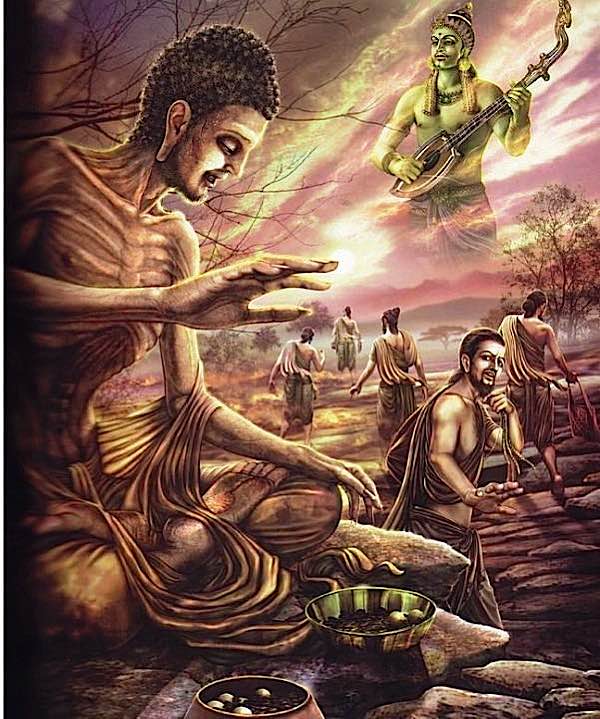
532-5238 B.C. Siddartha the Ascetic
Asceticism was an extreme form of practice that included living in the wild without protection, extreme fasting — basically, an attempt to “down the physical influence of one’s being and release the soul, an insubstantial essence in each individual.” [2]
He continued this until he was nothing but dry skin and bones, close to death.
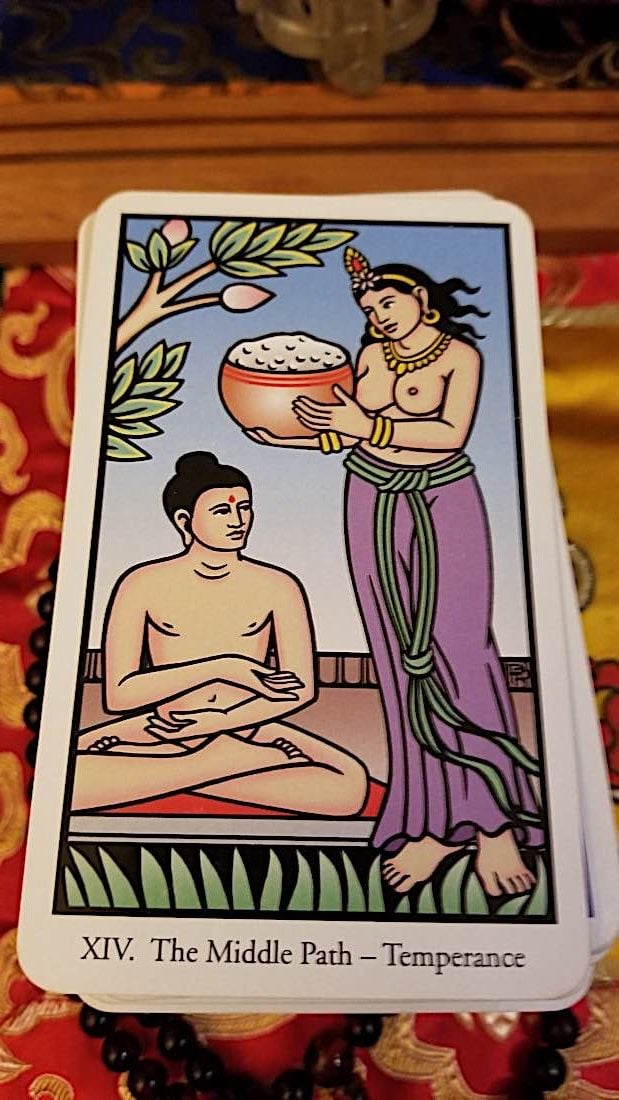
528 B.C. Siddartha risks death at Varanasi
Pushing his practice to the extreme, he tried every extreme meditation and practice — together with five other ascetics — only to nearly die of starvation. Finally, he realized the “middle way” was the correct path to Enlightenment — neither the extreme of deprivation nor its opposite of luxury. Barely able to move, he accepted a tiny bowl of mik, rice from a devotee named Sujata. From that moment, he pioneered the “Middle Path” now known as “Buddhism.”
528 B.C. Awakening at Bodh Gaya
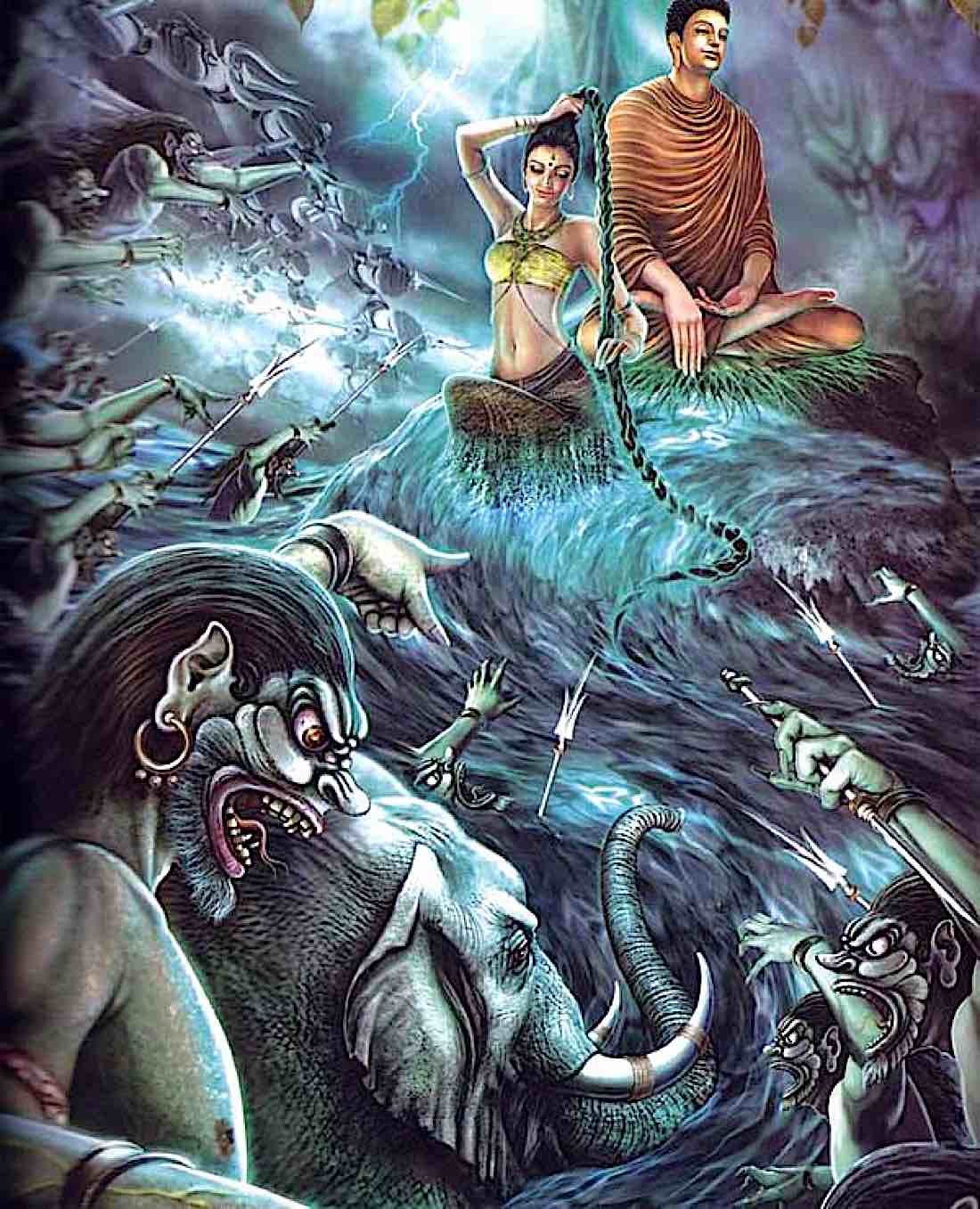
At Buddhism’s most “famous” site, Bodhgaya, Siddartha found the liberating path. Rejected by the five ascetics, he ate modest meals, recovering his strength, then moved to a new meditation site under the most famous tree in history — the Pipal Tree of Bodh Gaya. [A decedent of this tree is still honored today in Bodhgaya.]
He withdrew into his mind, pioneering a new “middle way” of meditating. He endured trials under the tree, tempted by the Mara and his legions and armies. [Mara and his legions, assailing the Buddha under the tree, can be thought of as the struggle Buddha faced internally with his own attachments and past karmic imprints.] Finally, he awakened, and Mara and his legions vanished. Famously, the symbol of this is Buddha touching the earth as his witness. He attained Bodhi — Awakening — and became the Buddha, the Awakened One.
528 B.C. First Teaching at Sarnath
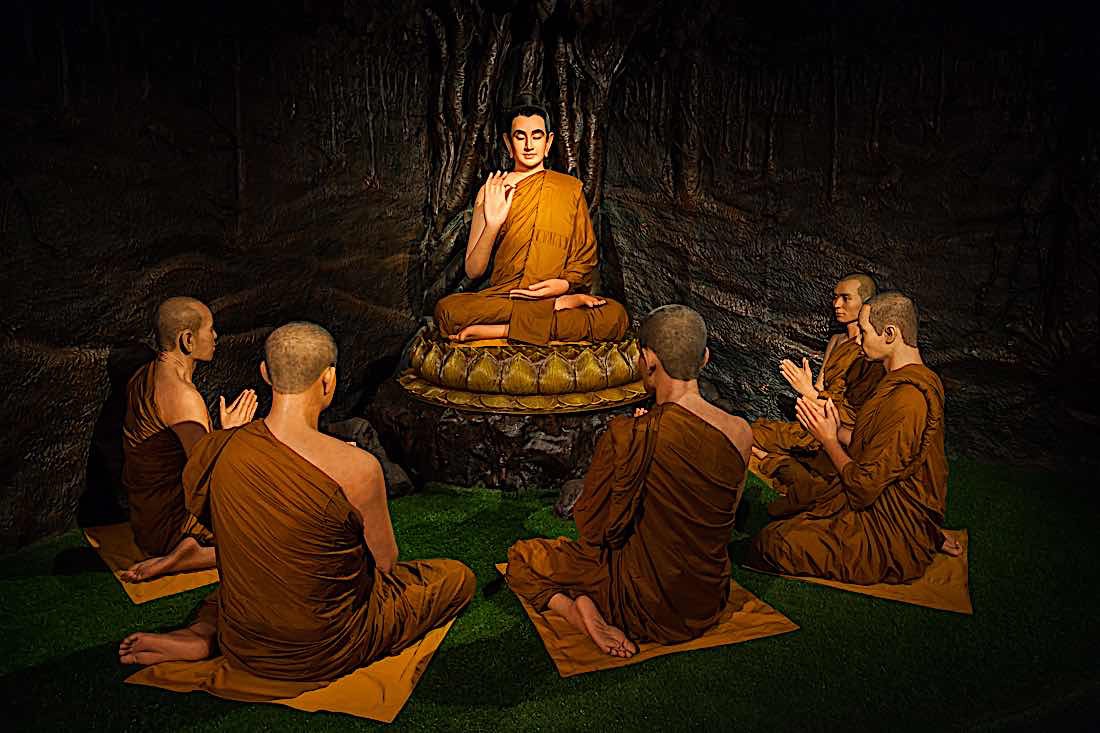
Buddha “turned the first wheel” of teaching, determined to help others with his perfect methods. His first pupils were the five ascetics who had earlier rebuked him. His first teachings were the Four Noble Truths, and the Eightfold Path:
Buddha first taught the Four Noble Truths, the Truth of Suffering, metaphorically, the “disease” we are treating.
“What, monks, is the truth of suffering? Birth is suffering, decay, sickness and death are suffering. To be separated from what you like is suffering. To want something and not get it is suffering. In short, the human personality, liable as it is to clinging and attachment brings suffering.” [3]

Overcoming suffering relied on the Eightfold Path:
“This is the noble eightfold way, namely, right understanding, right intention, right speech, right action, right livelihood, right attention, right concentration, and right meditation.” — Shakyamuni Buddha at Deerpark
• For a feature on the Four Noble Truths and Eightfold Path, see>>
528-483 B.C. Countless teachings, Turning the Wheel
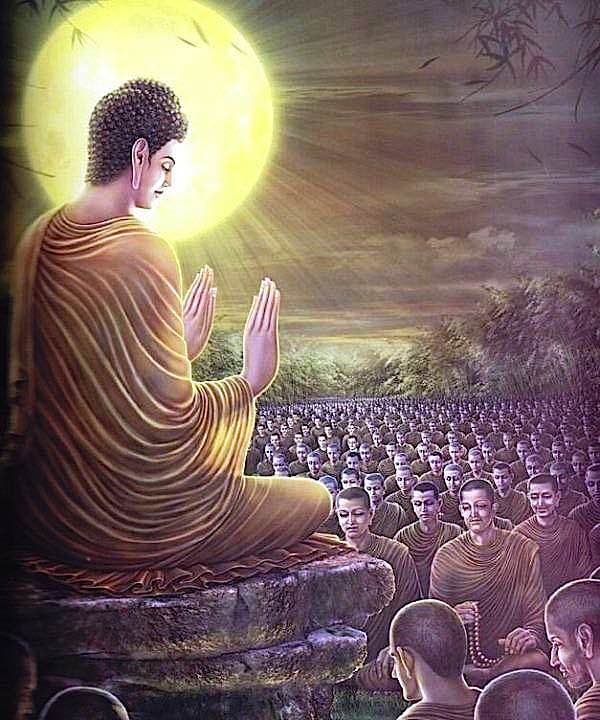
Buddha traveled with a growing entourage of disciples, teaching for the next 45 years. These precious teachings, recorded by his pupils, became a vast body of Pali Sutta, and later Mahayana Sutra — the largest collection of spiritual teachings in history. His teachings would spread throughout India, China, Japan, Korea, and all of Asia — and ultimately around the world.
483 B.C. Paranirvana at Kusinagara, Malla
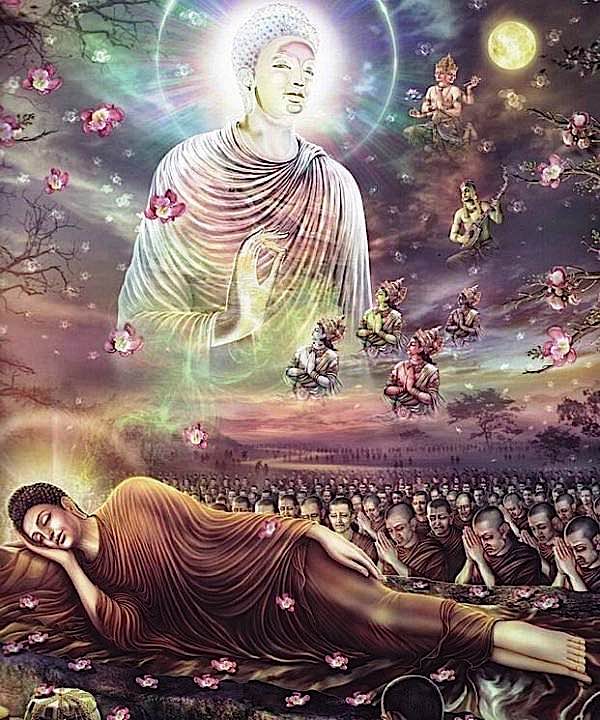
At the age of 80, he decided it was time for him to leave the teachings to his Sangha of disciples. He gave his last teaching. He asked his disciples if they had any last questions for him before he left.
Finally, he said, “Things that arise from causes will also decay. Press on with due care.”[3]
He lay down on his right side, with his hand under his face — in the pose made famous by the Sleeping Buddha statue — and passed into the peace of ultimate Paranirvana.
Timeline based on BBC: Life of the Buddha, a Spiritual Journey>>
1 thought on “Shakyamuni Gautama Buddha’s Renunciation Day (March 17) and His Journey to Spiritual Awakening”
Leave a Comment
More articles by this author
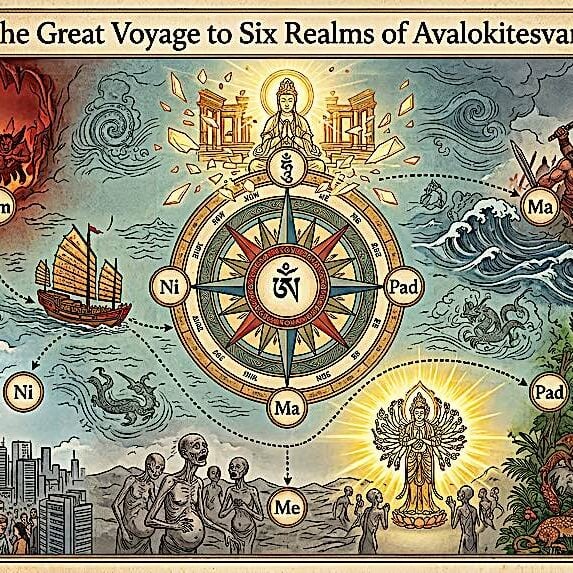
6 Avalokitesvara Heroes Overcoming 6 Poisons with 6 Syllables: Om Ma Ni Pad Me Hum: Enlightened Odyssey
“Surviving the Grief Wave”: BuddhaCast 5: Buddhist Anchors for Sudden Grief Attacks, a Podcast with Josephine Nolan and Dave Lang

Search
Latest Features

Please support the "Spread the Dharma" mission as one of our heroic Dharma Supporting Members, or with a one-time donation.
Please Help Support the “Spread the Dharma” Mission!
Be a part of the noble mission as a supporting member or a patron, or a volunteer contributor of content.
The power of Dharma to help sentient beings, in part, lies in ensuring access to Buddha’s precious Dharma — the mission of Buddha Weekly. We can’t do it without you!
A non-profit association since 2007, Buddha Weekly published many feature articles, videos, and, podcasts. Please consider supporting the mission to preserve and “Spread the Dharma." Your support as either a patron or a supporting member helps defray the high costs of producing quality Dharma content. Thank you! Learn more here, or become one of our super karma heroes on Patreon.
Lee Kane
Author | Buddha Weekly
Lee Kane is the editor of Buddha Weekly, since 2007. His main focuses as a writer are mindfulness techniques, meditation, Dharma and Sutra commentaries, Buddhist practices, international perspectives and traditions, Vajrayana, Mahayana, Zen. He also covers various events.
Lee also contributes as a writer to various other online magazines and blogs.
Buddha tried various approaches to ultimate happiness and liberation – he explained he lived a life of luxury as a Prince and was separated from suffering – he also practiced asceticism or austerities – both are valid approaches or “experiments” – ultimately he found attachment to be the problem – and “let go” to the point of Liberation – so letting go is a Practice – to gradually give up what makes you suffer…..eliminate dukkha