
Akshobhya and the Magical City: the Unshakable Wisdom of Akshobhya, Vajra Lord: his mantra, Dharani and Sadhana

Why is Akshobhya Buddha the very face of peace? Why is the focus of the Vajra family of Akshobhya Buddha the poison of Anger? Which wisdom is central to Akshobhya Buddha family of the Vajra? Why is the family blue, and what is the significance of the great Vajra? We answer these questions and more and end with the mantras, practices and a Puja visualization of Akshobhya Buddha.
Video: The Unshakable Buddha
The Unshakable Buddha
Akshyobhya Buddha’s name means, literally, “The Unshakable Buddha.” One of Akshobhya’s great vows is to never become angry until reaching enlightenment.
“Now that I have become a bodhisattva, I will never allow myself to get angry at any living being.”
Akshobhya or Vajra Family practice is ideal for people who have a temper, or anger issues, or deal with the anger of others. If anger is the reason you find yourself locked in a poisonous cycle, trapping you in suffering, then, practices of the Vajra family, is often recommended by teachers of all schools.
The great Lama Yeshe strongly advocated Vajrapani Bodhisattva’s, the Bodhisattva of the Vajra family, as a practice in this age to calm anger and increase our confidence and strength.

Appearance Reflects His Vow
Reflecting this vow, his face is serene and blue, like cool, refreshing water. He is seated on a lotus throne in unshakable vajra posture. His right hand touches the earth, bhumisparsha mudra, the very same gesture Shakyamuni used to indicate that mother earth was his witness, and signifying his unshakable vow. His left hand is in the mudra of meditative equipoise on his lap, often with the indestructable vajra in his hand.
His throne and animal is the “unshakable” elephant.

Our Vajra Vow
Just as he made a vow to us to be unshakable, we likewise make a vow to him each time we renew our Bodhisattva and Tantra and Vajrayana Vows when we say:
I shall uphold purely
The vajra, bell and mudra of
The great, supreme Vajra family,
And I shall uphold purely the Master commitment.

This means that we likewise promise to be unshakable in our commitment to the Dharma.
His wisdom, reflecting his unshakable nature, is Mirror-Like Wisdom. This is described as “seeing phenomena as they truly are” — the nature of Shunyata, symbolized by the elemental metaphor of water.
He is in the East of the Five Buddhas Mandala (athough in some specialized practices he might be in the center of the mandala).

Names
Sanskrit अक्षोभ्य
Akṣobhya
Chinese 阿閦佛
(Pinyin: Āchù Fó)
Japanese 阿閦仏あしゅくぶつ
(romaji: Ashuku Butsu)
Khmer អសុភ្យ
(a-sop),
អសុភ្យពុទ្ធ
Korean 아촉불
(RR: Achog Bul)
Mongolian ᠬᠥᠳᠡᠯᠦᠰᠢ ᠦᠭᠡᠢ
Хөдөлшгүй
SASM/GNC: Ködelüsi ügei
Thai พระอักโษภยพุทธะ
Tibetan མི་བསྐྱོད་པ་
Wylie: mi bskyod pa
THL: mikyöpa. Mitrugpa
Vietnamese A Súc Phật

Blue and Watery
Characterized by a serene blue, draws parallels with water and purification, the symbolic color and element of the Unshakable Buddha. Venerable Tulku Yeshi Gyatso Rinpoche the color blue[4]:
“Why is his color blue? The blue represents the Dharmadhatu, which contains the five distinguishing features or aspects: body, speech, mind, qualities, and activities of all the Buddhas.”

Blue Symbolizes Shunyata
Blue is symbolic of emptiness, with the metaphor of the great ocean. In the Buddhist metaphor, we are each a “drop of water” which appears distinct, but its ultimate reality is “water” and when the water drops gather they become a stream, and stream joins a river and river flows into the seas where all waters on earth are ultimately of one essence.
The blue as a color serves as a reminder of the healing properties and medicinal qualities traditionally found with water, another reason for the metaphor. Blue, in Buddhism, represents the cooling of anger, like splashing cool water on an angry person to startle him, then cool him off. Water is also synonymous with tranquility. Among the most popular of sounds for meditation is the sound of a gentle waterfall or flowing stream.

Water is the source of life. We arose from the oceans. Water can be both serene, the trickle of a stream, and vast and angry, like the tempestuous ocean. It’s power is tidal — just as the Vajra family is considered the most potent of powerful forces.
To transform our anger into wisdom of mirror-like wisdom, the discernment of reality as it truly is. Like the moon, reflected in water, Akshobhya Buddha’s Vajra family show us that what we think we are, and the emotions that seem to arise, are nothing but reflections with no essence — that we are part of a great force, the tidal force of the metaphorical ocean.

Vajra – Diamond Sceptre
Another great symbol for the Akshobhya family is their iconic and powerful vajra, often called the diamond scepter, not because it’s made of diamond, but because, like a diamond, it is indestructable. Why is it indestructable? Because the true essence is indestructable. Why is it indestructable? Because it symbolizes Buddha Nature.
Like that, we too, are indestructable or immortal because our essence has never died and never will die. Our true essence, our Buddha Nature, is indestructable. This becomes clear, as we practice Akshobhya Buddha’s clarity practices.
Dharani of Akshobhya Buddha
NAMO RATNA TRAYĀYA OṂ KAṂKANI KAṂKANI ROCHANI ROCHANI TROṬANI TROṬANI TRĀSANI TRĀSANI PRATIHANA PRATIHANA SARVA KARMA PARAMPARĀṆI ME SVĀHĀ

Name Mantra of Akshobhya Buddha
oṃ akṣobhya hūṃ

Family Seed Syllable
Hum

Family Summary
| Position in mandala | east |
| Color | blue |
| Family | Vajra |
| Mudra | earth touching |
| Wisdom | Mirrorlike Wisdom |
| Emblem | vajra |
| Consort/prajñā | Locanā |

Mirror-like Wisdom and the Magic City in Lotus Sutra
Aksobhya’s wisdom is Mirrorlike Wisdom which overcomes the poison of anger. Just as we think we see true reflections in a mirror, mirror-like wisdom helps us understand that ultimately what we think is relatively real is ultimately not as it seems. If we touch the reflection of the moon in the water, the ripples we create makes it dissapear. In this metaphor, if our mind is busy or stressed, we cannot see.
Thich Nhat Hanh, a renowned Zen Master taught the concept this way:
“The mind is like a sheet of water, calmly reflecting the reality as it is. When the water is still, it can hold the image of the reality exactly as it is, with no distortion”.
This metaphor also arises from the old superstitions that mirrors would not reflect evil or illusory beings. In western lore, like the vampire who cannot be seen reflected in a mirror.

The Magic City in Lotus Sutra
In The Parable of the Magic City in the Lotus Sutra chapter 7, Shakyamuni Buddha tells the story of Akshobhya Buddha.
In this exalted chapter, the Buddha is teaching the true nature of things and the error of dualistic thinking. This is, in fact, a wonderful parable illustrating the Mirror-Like wisdom of Akshobhya Buddha. In the Parable, Akshobhya Buddha is the “leader” of the people trying to reach the city. He tells the story:
“There is a road, five hundred yojanas long, steep, dangerous and bad, an uninhabited and terrifying place. A large group of people wish to travel this road to reach a cache of precious jewels.
Among them, there is a guide, intelligent, wise and clear-headed, who knows the road well, both its passable and impassable features, and who wishes to lead the group through this hardship.
Midway, the group he is leading grows weary and wishes to turn back. They say to the guide, “we are exhausted and afraid. We cannot go forward. It’s too far. We want to turn back now.”
Having had this thought, through his power, he manifests a spectacular city in the center of the dangerous road, three hundred yojanas in extent, and says to them,
“Do not be afraid. Do not turn back; Stay here now in this great city I have created just for you. If you go into this city, you will be happy and at peace. If you then wish to proceed to the jewel cache, you may do so.”

Then the exhausted group rejoiced greatly, having gained what they had never had.
“We have now escaped this bad road and gained happiness and peace.”
Then the group went forward and entered the transformed city; thinking that they had already been saved, they felt happy and at peace.
At that time, the guide, knowing that they were rested and no longer weary, made the city disappear, saying to them,
“All of you, come, let us go. The jewel cache is near. The great city was merely something I created from transformation to give you a rest.”
Shakyamuni finished the story of the illusory city of Akshobhya this way. He said to the monks:
“Bhikshus, the Thus Come One is also like this. He now acts as a great guide for all of you.
He knows that living beings should leave and cross over the evil road of the torments of birth and death which is so steep, difficult and long. He shall respond to and save them.”
The parable acts as a poignant reminder of the transient nature of our experiences and the value of spiritual enlightenment above worldly illusions, underpinning the importance of Akshobhya’s Mirrorlike Wisdom in assisting our navigation through life.
Their leader, who was Buddha Akshobhya, had this thought; “How pitiful they are. How can they renounce the great and precious treasure and wish to turn back?”
This unique wisdom offers us the invaluable tool of self-examination and awareness needed to transform and purify negative emotions, echoing the teachings of Mirror-Like Wisdom.
Transforming the Poison of Anger
“As Akshobhya, we acknowledge the hidden treasures of our anger… We are together, discovering that peace is not the absence of turmoil but the capacity to meet adversity with an open heart; we are learning to cultivate peace, not by eliminating aggression, but by seeing that it does not bind us, that we are not compelled to act it out.” — Pema Chödrön, a Buddhist teacher, nun, and prolific author.
Akshobhya’s Mirror-Like wisdom is an unshakable fortitude born of calm reflection, a quality from which Akshobhya derives his name.
Akshobhya cultivates inner serenity amidst a world of constant change and unpredictability, not in resistance to it. He shows us that our anger is only illusory, and how we can transform it into Wisdom.
- If you’re interested in online empowerment in this wonderful practice of Akshobhya Buddha, His Eminence Garchen Rinpoche has an empowerment recorded on Youtube here>>
- NOTE: His Eminence indicates that pre-recorded empowerments are valid and do not need to be live in the case of his empowerments from his lineage.
Anger and the Wrathful Deities
It is this association with transforming “anger” — and the expedient described in the Lotus Sutra in the story of the magic city — that gives rise to the powerful wrathful forms of Buddhas. Many of the ferocious aspects of enlightenment are blue, like Akshobhya. This is because, as Akshobhya’s parable demonstrated, even if we think something is real, it is ultimately empty. The city was refuge, until Akshobhya transformed it back into the road. Likewise, the ferocious, wrathful Buddhas transform from Emptiness.
As stated in the Heart Sutra, “Form is emptiness, emptiness is form.” Akshobhya can manifest any form, expediently, like he created the magic city, but ultimately, it’s nature is Empty of self-arising reality.
This symbolizes that, despite their wrathful, furious appearance, these wrathful Buddhas who arise from the Vajra nature are both expedient means, and real in terms of our limited conceptual understandings.
Prayer to Akṣobhya
by Mipham Rinpoche
ཨེ་མ་ཧོ།
emaho
Emaho!
སྔོན་ཚེ་རྣམ་དག་ཐུགས་བསྐྱེད་སྨོན་ལམ་མཐུས། །
ngöntsé namdak tukkyé mönlam tü
Through the power of your pure past intentions and prayers of aspiration,
ད་ལྟ་ཤར་ཕྱོགས་མངོན་དགའི་ཞིང་མཆོག་ཏུ། །
danta sharchok ngöngé zhing chok tu
Now, to the east, in the supreme pureland of Abhirati—Manifest Joy,
མངོན་པར་སངས་རྒྱས་རྒྱལ་བ་མི་འཁྲུགས་པ། །
ngönpar sangye gyalwa mitrukpa
You are the fully awakened victorious one Akṣobhya,
འགྲོ་བའི་མགོན་པོ་ཁྱེད་ལ་གསོལ་བ་འདེབས། །
drowé gönpo khyé la solwa deb
Protector of beings—to you I pray.
ཁྱེད་ནི་སྟོབས་བཅུ་ལྡན་པའི་ཡེ་ཤེས་བརྙེས། །
khyé ni tob chu denpé yeshe nyé
You have found wisdom endowed with the ten powers
མ་ལུས་ཤེས་བྱ་ཡང་དག་ཇི་བཞིན་གཟིགས། །
malü sheja yangdak jizhin zik
And you see all that is knowable just as it is,
བདག་ནི་རྒ་ན་འཆི་སོགས་འཇིགས་པ་བརྒྱས། །
dak ni ga na chi sok jikpa gyé
While I am plagued by a hundred terrors, such as ageing and death.
མནར་བཞིན་ཁྱེད་ལ་སྐྱབས་སུ་མཆི་བ་གཟིགས། །
nar zhin khyé la kyab su chiwa zik
Look upon me now as I turn to you in search of refuge!
མགོན་པོ་ཁྱེད་ནི་མཐའ་ཡས་འགྲོ་བ་ལ། །
gönpo khyé ni tayé drowa la
Protector, you who gaze upon all infinite beings
སྙིང་རྗེ་ཆེན་པོས་གཟིགས་པ་ཡོལ་མི་མངའ། །
nyingjé chenpö zikpa yol mi nga
With great compassion and unimpeded vision,
བདག་ནི་ཤིན་ཏུ་ཉམ་ཐག་འཇིགས་ཆེན་གྱིས། །
dak ni shintu nyamtak jik chen gyi
Be a refuge to me, as I am utterly exhausted,
གསོར་མི་རུང་བར་མནར་ལ་སྐྱབས་མཛོད་ཅིག །
sor mi rungwar nar la kyab dzö chik
Hopelessly tormented by anxiety and dread.
དབང་བཅུའི་དབང་གིས་ཕྱུག་པའི་མགོན་པོ་ཁྱེད། །
wang chü wang gi chukpé gönpo khyé
Protector, equipped with the might of the ten powers
འགྲོ་ཀུན་སྐྱོབས་པའི་མཐུ་དང་ནུས་པའི་ཤུགས། །
dro kün kyobpé tu dang nüpé shuk
And the strength and capacity to protect all beings,
མཚུངས་པ་མེད་པ་རྡོ་རྗེའི་སྟོབས་མངའ་བས། །
tsungpa mepa dorjé tob ngawé
You who possess vajra fortitude beyond compare,
བདག་ལ་མྱུར་དུ་དབུགས་དབྱུང་མཆོག་སྩོལ་ཅིག །
dak la nyurdu ukyung chok tsol chik
Swiftly grant me the supreme release from suffering.
སེམས་ཅན་ལས་ཀྱི་མནར་བ་ཆོས་ཉིད་ཀྱང་། །
semchen lé kyi narwa chönyi kyang
It is the nature of things that beings suffer for their actions,
བདག་ནི་ལྷག་པར་ནད་དང་སྡུག་བསྔལ་དང་། །
dak ni lhakpar né dang dukngal dang
But I am excessively tormented by sickness and pain,
རྐྱེན་ངན་འཇིགས་པ་མི་བཟོད་དུ་མས་མནར། །
kyen ngen jikpa mi zö dumé nar
Adversity and unbearable anxiety and apprehension.
སྐྱབས་བྲལ་ཡི་ཆད་ཤིན་ཏུ་ཉམ་ཐག་གྱུར། །
kyabdral yiché shintu nyamtak gyur
Bereft am I of refuge, dispirited and fatigued.
དེ་ཕྱིར་རྨོངས་དང་ཐེ་ཚོམ་རྣམ་རྟོག་བརྒྱས། །
dechir mong dang tetsom namtok gyé
Thus, when I cry out to you in anguish and despair,
དཀྲུག་ནས་གདུང་བའི་འོ་དོད་འབོད་པ་ལ། །
truk né dungwé odö böpa la
Disturbed as I am by delusion, doubt and speculation,
གཟིགས་པ་སྒྲིབ་པ་མེད་པའི་མགོན་པོ་ཡིས། །
zikpa dribpa mepé gönpo yi
Please, O protector whose vision is unobstructed,
ཡེ་ཤེས་ཐུགས་རྗེས་མྱུར་དུ་དགོངས་པར་མཛོད། །
yeshe tukjé nyurdu gongpar dzö
Consider me swiftly in your compassionate wisdom.
འཇིགས་དང་སྡུག་བསྔལ་འདི་ནས་དབུགས་དབྱུང་ནས། །
jik dang dukngal di né ukyung né
Once I am relieved of this anxiety and suffering,
འཇིགས་མེད་བདེ་བ་ཆེན་པོ་ཐོབ་པ་དང་། །
jikme dewa chenpo tobpa dang
May I discover the jubilation of freedom from fear,
རང་གཞན་དོན་གཉིས་ལྷུན་གྱིས་གྲུབ་པ་ཡི། །
rangzhen dön nyi lhün gyi drubpa yi
And may you confer the great celebratory attainment
དངོས་གྲུབ་ཆེན་པོའི་དགའ་སྟོན་ཉེ་བར་སྩོལ། །
ngödrub chenpö gatön nyewar tsol
Of spontaneously accomplishing my own and others’ aims.
ལྕགས་གླང་ཟླ་ ༡ ཚེས་ ༣ ལ་མི་ཕམ་པས་སྦྱར་བའོ།། །།མངྒ་ལཾ།། །།
Mipham composed this on the third day of the first month of the Iron Ox year. Maṅgalam.
Vajra Family Blue for Emptiness and Water
They are blue, to connote Emptiness, and the cooling nature of Mirror-Like Wisdom. This is symbolized by water. In the metaphor of the ocean in Buddhism, Buddhat teaches that a drop of water appears to be a “drop of water” until it becomes rain, then joins the stream, then joins the ocean. It’s ultimate nature is greater than the “drop of water.”
Vajra Family: Mirror-Like Wisdom and the Purification of Reflection
The term ‘mirror-like’ refers to the ability to see reality as it is, without distortion. It is the wisdom that provides clarity and forestalls the mind’s tendency to ‘color’ perceptions with personal biases, fears, and desires. Akshobhya’s mirror-like wisdom emblematically manifests in the ability to differentiate between reality and illusion, offering an unwavering gaze at the nature of existence[2].
Purification, at its core, revolves around releasing ourselves from these distorted perceptions — it is about cleansing the ‘mirror’ of the mind, enabling a fresher, cleaner reflection of reality. The practice adopted by the Vajra Family harnesses the purification power of self-reflection, where one contemplates their actions and motivations, aiming to eliminate harmful behavior and nurture positive habits[3].
Incorporating this approach into your everyday life can be transformative. Self-reflection fosters a deeper understanding of oneself and the world, paving the way for improved emotional health, well-being, and ultimately, spiritual liberation.[4]
So, as you immerse yourself in the teachings and practices of the Vajra Family, anticipate a stimulating journey that explores the depths of mirror-like wisdom, and invites you to embark on a path of purification through the power of reflection.
Lochana: The Wisdom Mother of the Vajra Family
Lochana, also referred to as Akashadhāteshvarī, is the wisdom consort or the spiritual partner of Akshobhya Buddha. She embodies the mirror-like wisdom aspect of Vajra family, embodying clear, unceasing awareness.
Lochana’s name itself exemplifies her role. ‘Lochana’ means ‘The Eye’ or ‘Seer’, signifying the power of visual understanding and wisdom. She is recognized as an enlightened being who mirrors the immense purity of the universe. Her wisdom transcends ordinary understanding and provides a glimpse into the unsullied reality.
In visual depictions, Lochana is often color-coordinated with Akshobhya, daughter of the nadir, adorned in royal-blue attire reflecting the purification virtues of the Vajra family. She places her right hand in the Bhumisparsa mudra (the earth touching gesture), while her left-hand cradles a vajra-topped lotus, encompassing the traditional representation of mirror-like wisdom.
Lochana’s role is vital to the understanding and spiritual practice within the Vajra family. Meditating on Lochana supports nurturing a tranquil mind and enhancing wisdom. Engaging with Lochana’s symbolic characteristics can assist in liberating oneself from negative emotions and deep-seated ignorance, leading towards the path of enlightenment.
The Dynamic Symbol of the Family: Diamond Vajra
The vajra, or diamond sceptre, is a potent emblem for the Vajra family. It symbolizes the unyielding nature of their commitment to wisdom and compassion, and their ability to cut through ignorance to attain enlightenment. Etymologically, ‘vajra’ in Sanskrit denotes both ‘thunderbolt’ and ‘diamond,’ extending its symbolism to embody the formidable power of the enlightened mind and the durability of wisdom that can’t be destroyed.
The vajra in the context of the Vajra Buddha Family is normally either five or nine pronged. When five pronged it is five prongs on each end, with one side representing the five Buddhas and the other end representing the five Mothers. It is the ultimate symbol of Power and Wisdom in Vajrayana Buddhism.
In Vajrayana practice, the vajra often finds utility as a ritual implement, held in the right hand to symbolize method, while a bell in the left hand stands for wisdom. The vajra and bell together symbolize the inseparability of compassion and wisdom, culminating in the path towards enlightenment. See our in-depth feature on the Bell and Vajra here>>
The Impactful Role of Vajrapani in the Vajra Family
Steeped in Buddhist lore and recognized for his immense power and relentless dedication to the Dharma, Vajrapani stands as a venerated figure within the spiritual framework of the Vajra family. As a Bodhisattva, his role extends beyond mere symbolism, serving as a beacon of strength, martial ferocity and spiritual enlightenment.
Vajrapani, artistically depicted wielding the Vajra, encapsulates an embodiment of power that transcends mortal understanding. The Vajra, a diamond sceptre, symbolizes indestructible strength and the immutable truth of the Buddha’s teachings. Through Vajrapani, the Vajra transforms from a static symbol into a dynamic, spiritual force.
Vajrapani’s representation, clothed in warrior’s armor, and enflamed with spiritual intensity, captures the unyielding fight against delusions and the fundamental ignorance that binds all beings to the cycle of Samsara. Despite his wrathful appearance, his goal is ultimately benevolent, aiming to break the chains of delusion and free sentient beings from their suffering.
As a part of the Vajra family, Vajrapani embodies the mirror-like wisdom of this Buddha clan, the Providence of purification and reflection. His fierce dedication to slicing through delusion mirrors the unyielding nature of Akshobhya Buddha’s teachings, and his unwavering commitment to the enlightenment of all sentient beings reflects the compassionate heart of this Buddhist dynasty.
Buddhist practitioners who follow the Vajrapani path often engage in intense spiritual practices. They make use of visualizations and meditations centered on Vajrapani’s iconic image, focusing on the elements of strength, tenacity, and unyielding resolve that he represents. This process helps practitioners develop their own inner strength, equipping them to handle the challenges of life and spiritual pursuit.
See our in-depth documentary video on Vajrapani here>>
A Daily Practice of Buddha Akṣobhya
by Karma Chakmé
NOTE: THE TEXT HERE IS CHANGED FROM KARMA CHAKME’s TEXT TO SAY “I visualize Bhagavan Akshobhya in front of me” to make this a frontal generation. If you have empowerment and instruction you can state this as written by Kamra Chakme “I visualize myself as Bhagavan Akshobya.”
རང་ཉིད་བཅོམ་ལྡན་མི་འཁྲུགས་པ། །
rangnyi chomden mitrukpa
I visualize the Bhagavān Akṣobhya in front of me, (as written it is “I visualize myself as Bhagava Akshobya — which you may recite and visualize if you have empowerment.)
སྤྲུལ་སྐུའི་ཆ་ལུགས་མཚན་དཔེ་རྫོགས། །
tulkü chaluk tsenpé dzok
Complete with the major and minor marks and in nirmāṇakāya garb,
གླང་པོའི་ཁྲི་ལ་བཞུགས་པར་བསྒོམ། །
langpö tri la zhukpar gom
And seated upon a throne supported by elephants.
ཐུགས་ཀར་ཟླ་སྟེང་ཧཱུྃ་མཐིང་མཐར། །
tukkar da teng hung ting tar
At his heart, upon a moon-disc, is a blue hūṃ,
གཟུངས་ཀྱིས་གཡས་སུ་བསྐོར་བ་ལས། །
zung kyi yé su korwa lé
Around which the mantra rotates to the right,
འོད་ཟེར་མཐིང་ཁ་རབ་འཕྲོས་པས། །
özer tingkha rab tröpé
Sending out powerful rays of deep blue light.
ཚེ་འདས་ཐོགས་དྲངས་འགྲོ་ཀུན་གྱི། །
tsedé tok drang dro kün gyi
Through this, I visualize, the karmic obscurations
ལས་ཀྱི་སྒྲིབ་པ་ཐམས་ཅད་ནི། །
lé kyi dribpa tamché ni
Of all sentient beings, especially of those who have passed away,
བ་མོར་ཉི་ཟེར་ཕོག་ལྟར་བསྒོམ། །
bamor nyizer pok tar gom
Disappear entirely, just like frost in sunlight!
ན་མོ་རཏྣ་ཏྲ་ཡ་ཡཱ། ཨོཾ་ཀཾ་ཀ་ནི་ཀཾ་ཀ་ནི། རོ་ཙ་ནི་རོ་ཙ་ནི། ཏྲོ་ཊ་ནི་ཏྲོ་ཊ་ནི། ཏྲཱ་ས་ནི་ཏྲཱ་ས་ནི། པྲ་ཏི་ཧ་ན་པྲ་ཏི་ཧ་ན། སརྦ་ཀརྨ་པ་རཾ་པ་ར་ཎི་མེ་སརྦ་སཏྭཱ་ནཱཉྩ་སྭཱ་ཧཱ།
namo ratna trayaya | om kamkani kamkani | rotsani rotsani | trotani trotani | trasani trasani | tratihana tratihana | sarwa karma paramparanimé sarwa satananytsa soha
namo ratnatrayayā | oṃ kaṃkani kaṃkani | rocani rocani | troṭani troṭani | trāsani trāsani | pratihana pratihana | sarva karma paraṃpāraṇime sarva satvānāñca svāhā
ཨ་རཱ་གས་སྦྱར་བའོ༎ ༎
Composed by Arāga.
NOTES
[1] Mikyopa, T. (2003). Akshobhya, The Mirror to Our Souls. Vajrayna.
[2] Kamalashila’s Bhavanakrama (stages of meditation, 9th century). (n.d.). Vajrayana.
[3] Sutras, V. (n.d.). Visualization Sutras. Vajrayana.
[4] Ven Tulku Yeshi Gyatso Rinpoche https://www.sakya.org/2010/12/dharma-lecture-the-vajrapani-practice/
[5] The Dharani that Thoroughly Purifies Karmic Obscurations is a Sutra that contains the dharani mantra
More articles by this author
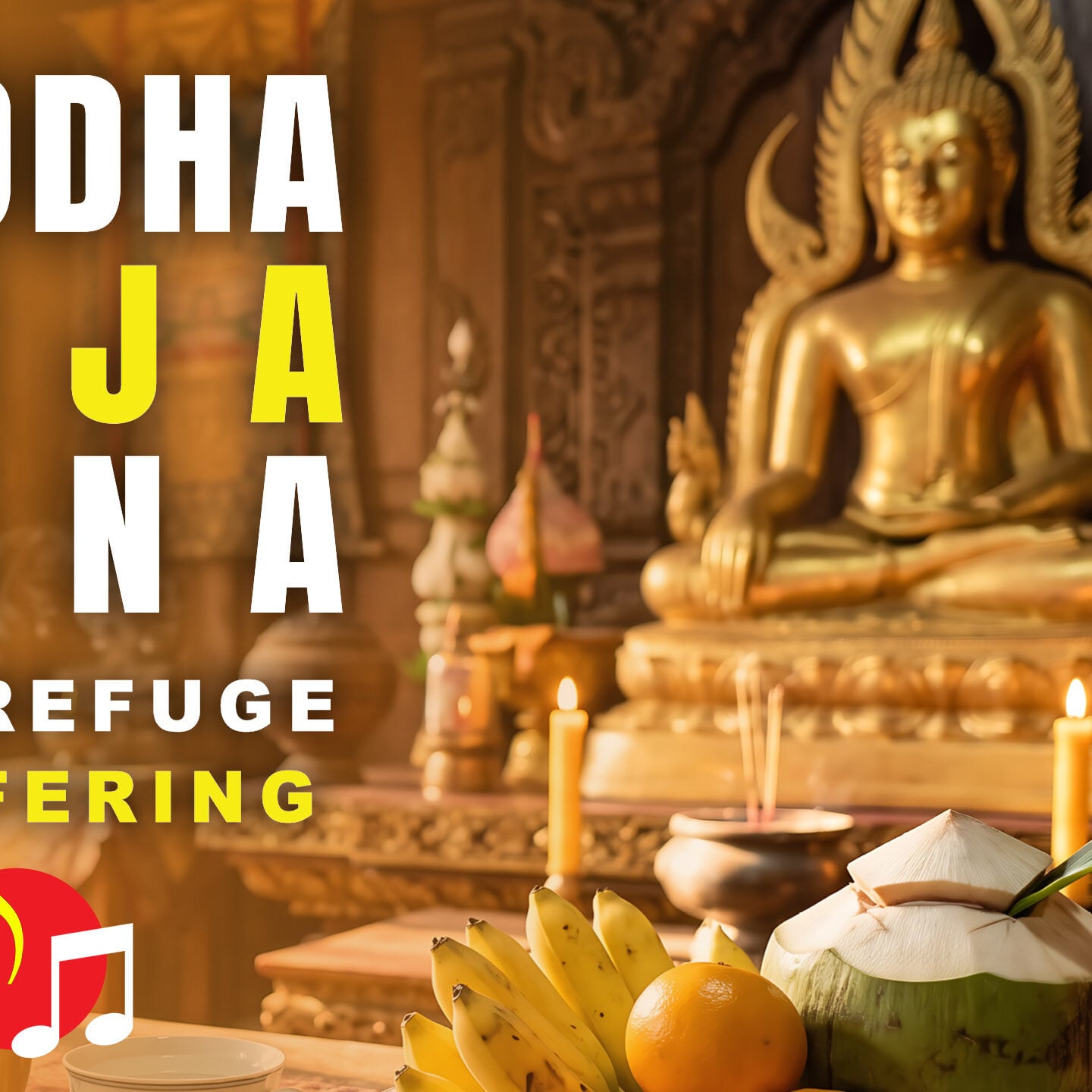
MUSIC VIDEO and PRACTICE: Śaraṇaṃ Gacchāmi Sanskrit Refuge and Offering Chanted Beautifully for Daily Practice
DOCUMENTARY VIDEO: Music is Medicine: The Science of Healing Frequencies – 3 acoustic meditation secrets, 5 Studies
Search
Latest Features

Please support the "Spread the Dharma" mission as one of our heroic Dharma Supporting Members, or with a one-time donation.
Please Help Support the “Spread the Dharma” Mission!
Be a part of the noble mission as a supporting member or a patron, or a volunteer contributor of content.
The power of Dharma to help sentient beings, in part, lies in ensuring access to Buddha’s precious Dharma — the mission of Buddha Weekly. We can’t do it without you!
A non-profit association since 2007, Buddha Weekly published many feature articles, videos, and, podcasts. Please consider supporting the mission to preserve and “Spread the Dharma." Your support as either a patron or a supporting member helps defray the high costs of producing quality Dharma content. Thank you! Learn more here, or become one of our super karma heroes on Patreon.
Lee Kane
Author | Buddha Weekly
Lee Kane is the editor of Buddha Weekly, since 2007. His main focuses as a writer are mindfulness techniques, meditation, Dharma and Sutra commentaries, Buddhist practices, international perspectives and traditions, Vajrayana, Mahayana, Zen. He also covers various events.
Lee also contributes as a writer to various other online magazines and blogs.