


Who Was Jīvaka, the Legendary Physician of the Buddha and the Sangha?
Who was the physician trusted by the Buddha and the early Sangha? How did an abandoned child grow into the most celebrated healer of ancient India—so revered that a Buddhist sūtra bears his name? And how did Jīvaka’s life of medical skill and compassion shape early Buddhist ideas of healing and care?
Jivaka was a very famous physician of his time, throughout almost the entire north-india, commonly as Physician of the Buddha. Understanding about his life will give us an idea about the then social and medical culture. Jivaka is often not well known among the general devotees of Buddhism. Having a look at his story will give a different perspective at Buddha’s life.
By By Niketan Shegokar, Bio bottom of feature
Birth and Early Life of Jivaka, Physician to Buddha and Sangha
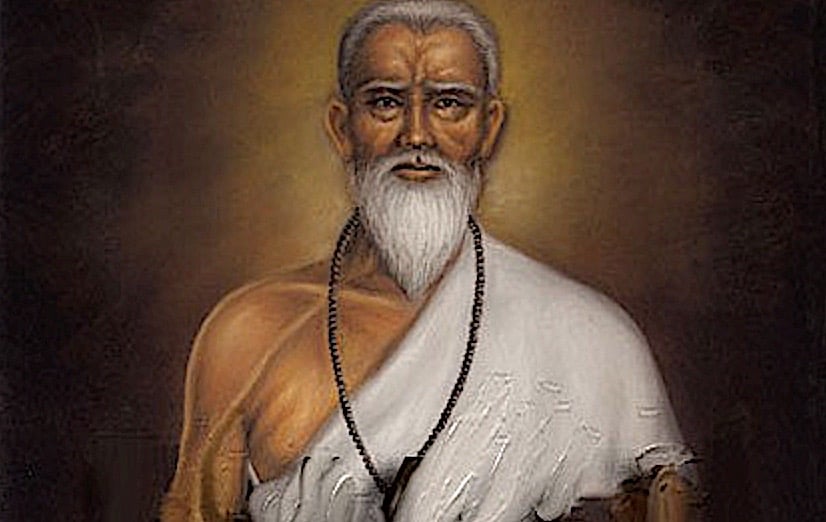
Jīvaka was born in Rājagaha (modern day Rajgir) during the lifetime of the Buddha. According to the Vinaya Piṭaka, he was the illegitimate child of a courtesan named Sālavatī. (11) Due to social stigma and the precarious status of such children, the infant was abandoned shortly after birth on a heap of refuse or sand near the roadside. Despite abandonment, the child survived, which later became a crucial narrative marker of his destiny and resilience. This episode highlights early Indian social realities regarding illegitimacy and caste-linked marginalization (1,4).
Here, a lesser known figure in the history of Buddhism comes into picture, Abhayarajkumara, or simply Prince Abhaya, son of King Bimbisāra and half-brother of Prince Ajatshatru of Magadha (1). Contemporary Buddhist historians note that Abhaya’s significance lies less in governance and more in his moral and ethical engagements. He is frequently cited in modern scholarship as an example of a royal layperson who interacted directly with the Buddha on questions of speech, conduct, and responsibility (5).
These interactions are interpreted by scholars as evidence that early Buddhism actively engaged with political elites, shaping ethical discourse within ruling classes rather than remaining isolated from power structures (6). Prince Abhaya happened to pass the area where the infant lay abandoned. Observing that the child was still alive, Abhaya asked his attendants whether the baby could survive. Upon confirmation, he ordered the child to be rescued and raised (1). Because the child was found alive (jīvati in Pāli), he was named Jīvaka, meaning “the living one.” Abhaya took responsibility for the child’s upbringing, and Jīvaka was raised within the royal household, though not as a royal heir.
Eary Education and Early Inclination To Medicine
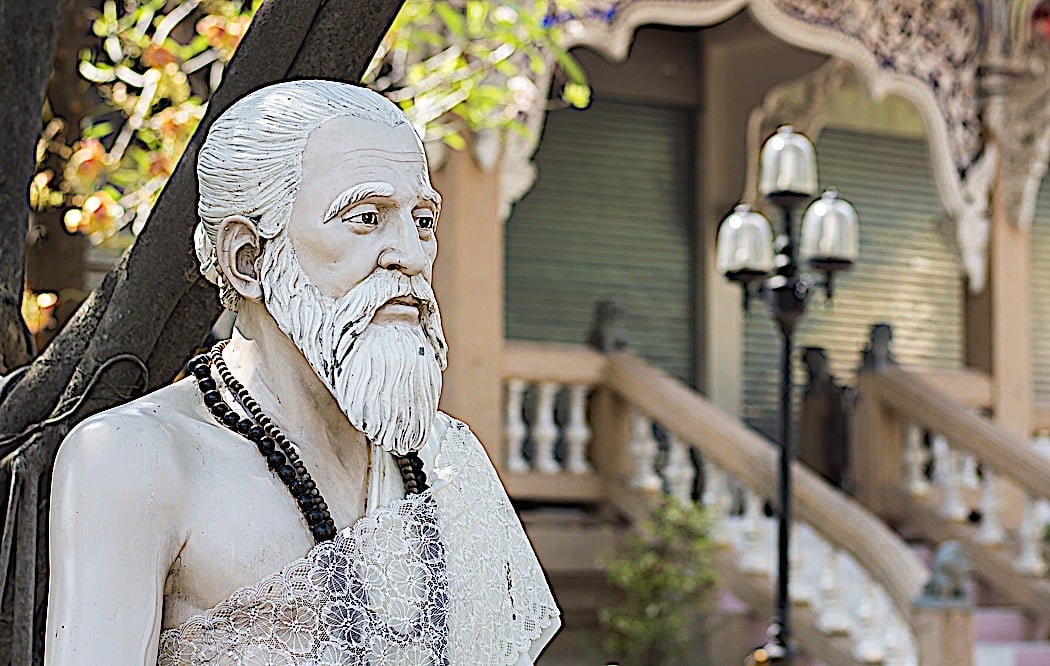
As Jīvaka grew older, he became acutely aware that he was not of royal lineage, despite his privileged upbringing. This awareness influenced his decision to seek an independent profession that would grant him social mobility and dignity. (7,8) Ancient Indian tradition regarded Āyurveda as a respected and intellectually demanding discipline, accessible even to those outside royal or priestly classes. (7) Recognizing this, Jīvaka decided to pursue medical training at Takṣaśilā (Taxila), the most renowned center of higher learning in ancient India. (7,8)

Medical Training at Taksashila University
Jīvaka studied medicine under a renowned teacher at Takṣaśilā for a period traditionally stated as seven years (2,11). Although some records also state it as of 5 years. His education included Diagnosis through observation and questioning, Herbal pharmacology, Surgical techniques and Ethical responsibilities of a physician. Upon completion of his studies, his teacher tested his competence by asking him to search the surrounding area for any plant that could not be used medicinally. Jīvaka returned stating that no such plant existed, demonstrating comprehensive medical understanding. (2,3,9)
There is a famous anecdote in which Jīvaka purportedly searched Takṣaśilā’s surroundings for plants with no medicinal value and found none. This event is often interpreted by scholars as a symbolic celebration of his comprehensive botanical understanding, illustrating the early Indian medical view that everything in nature may have therapeutic potential. (9)
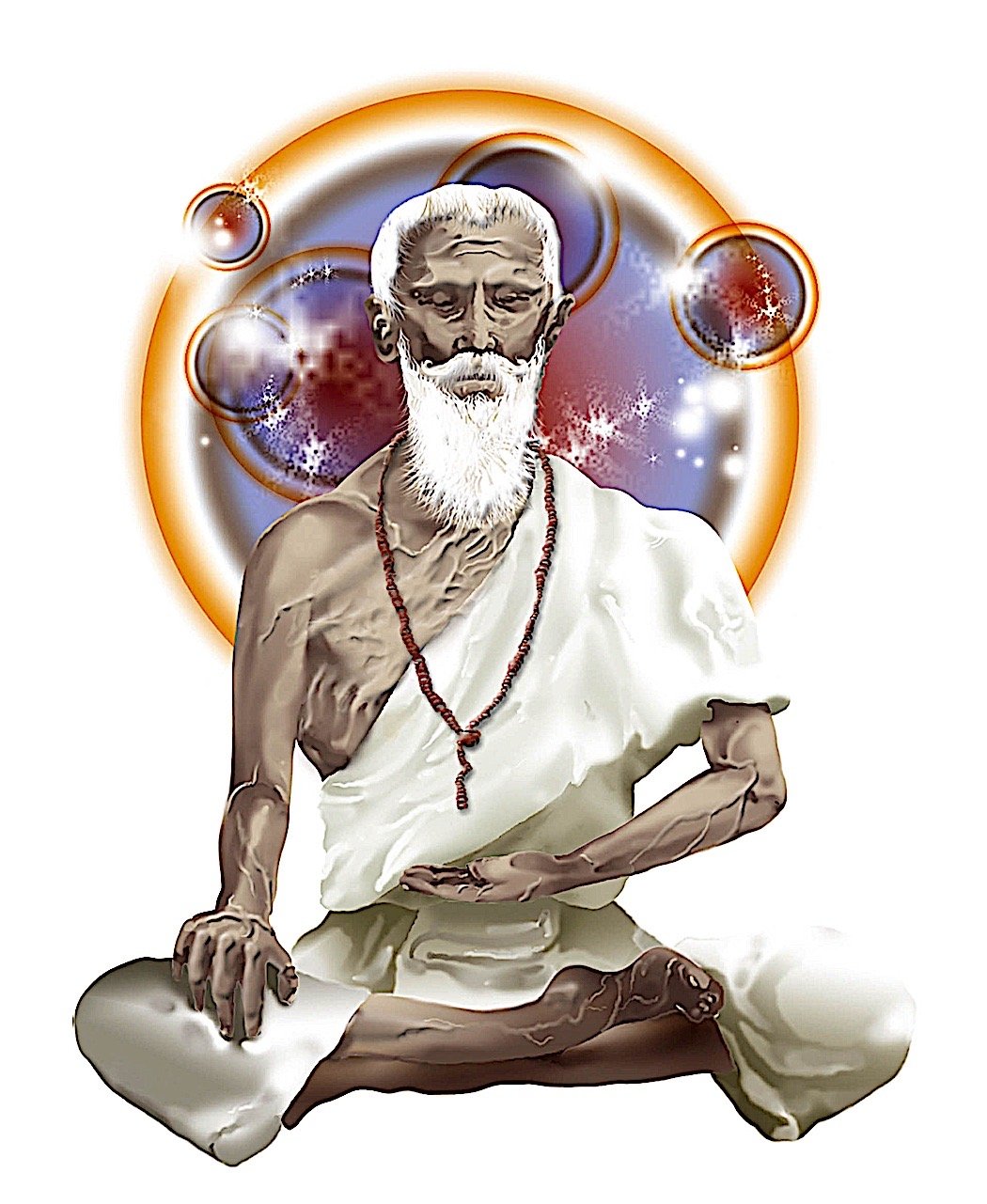
His Return To Rajagaha And Rise As A Physician
After completing his education, Jīvaka returned to Rājagaha, where he soon gained fame by successfully treating King Bimbisāra of a severe illness, described in texts as a fistula or abscess (10,11). His successful treatment earned him appointment as royal physician, material wealth (King Bimbisāra offered him the jewellery of all his three hundred wives) and widespread reputation across Magadha. (11) Despite wealth and status, Jīvaka continued to treat poor patients without charge, reflecting early Buddhist medical ethics.
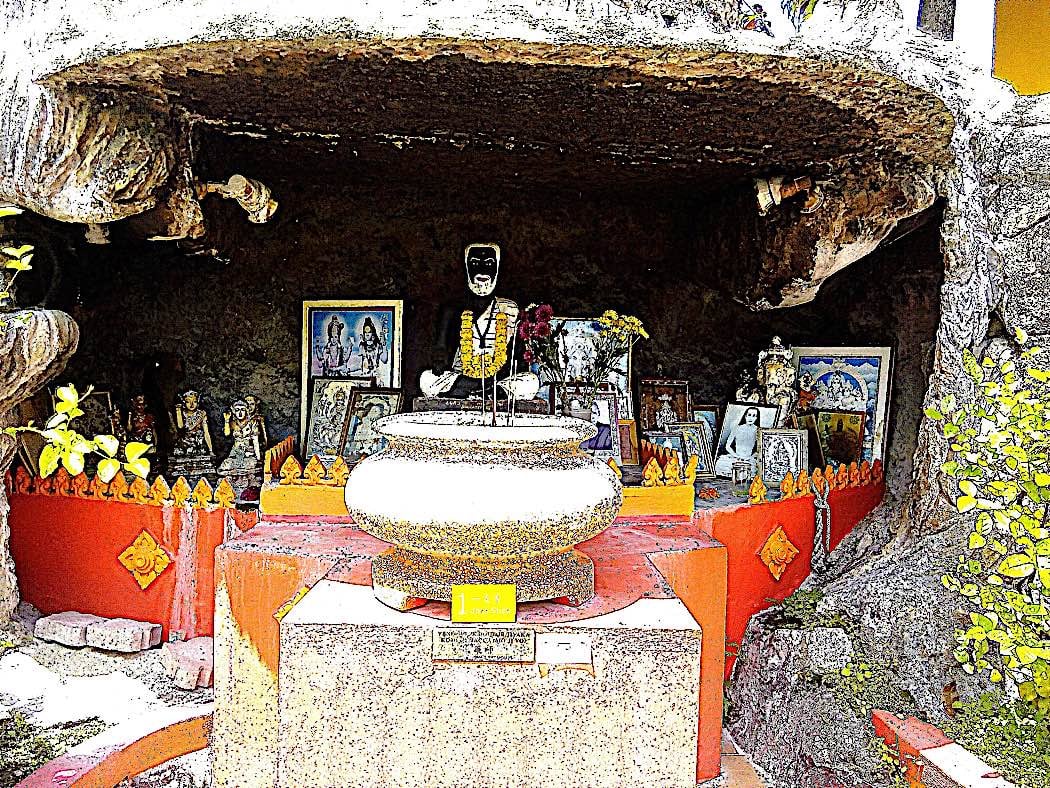
His Comprehensive Medical Career
When Jivaka returned to Rājagaha, he set his own practice in the town. His first patient was the wife of a wealthy businessman (Sethi) of Saketa city of Kosala Kingdom. He cured her of her illness and received a huge sum of money – Almost Sixteen thousand Kahapanas (the then Magadhan currency), and rewards such as a maid-servant, an assistant and horse coach for transportation. Upon learning of the matter and his popularity among the patients, Abhayarajakumara offered him a place in his own inn. Some of the other important events in his medical career are as follows:
- He cured a wealthy businessman of Rajagaha by performing a trepanation surgery (possibly a burr-hole craniotomy), most probably following a head trauma.
- Cure to a Sethi’s Chronic gastrointestinal disorder by administering medicated herbs and purgatives in Benaras (today’s Varanasi) which was the capital of Kasi Mahajanpada.
- Jivaka was appointed as the royal Physician of Magadha and attending physician to the King’s wives.
- He cured the possible skin and digestive diseases of the Buddhist monks of Sangha.
- He also became the attending physician of Lord Buddha. (2,3,4,9)
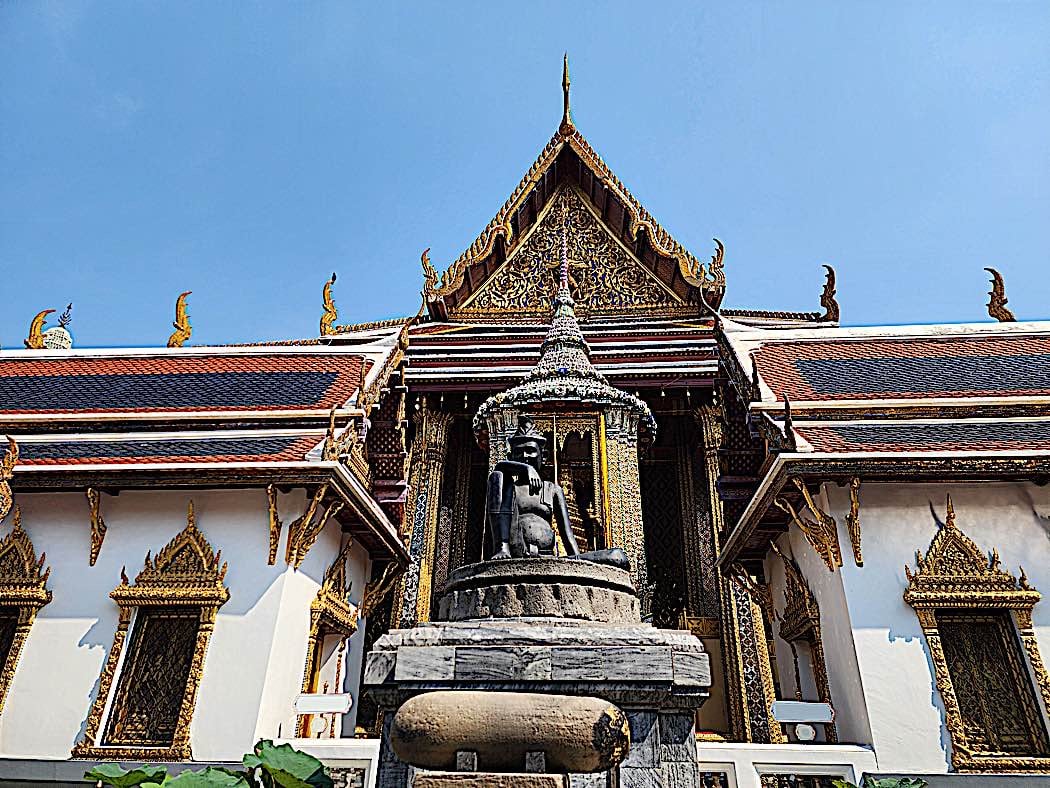
Encounter With Lord Buddha
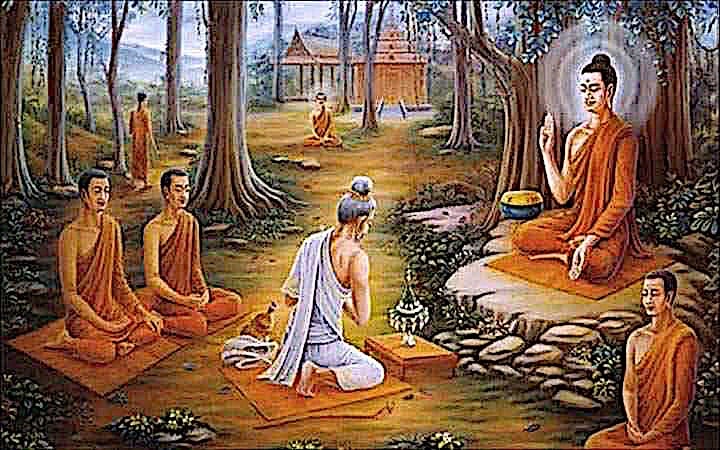
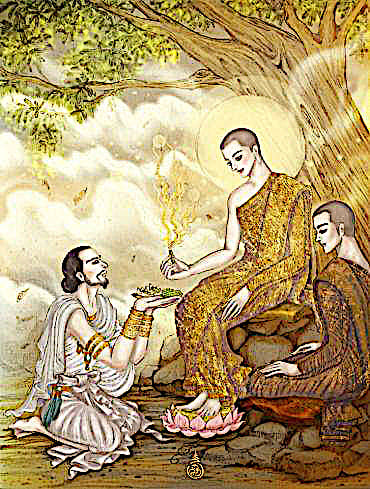
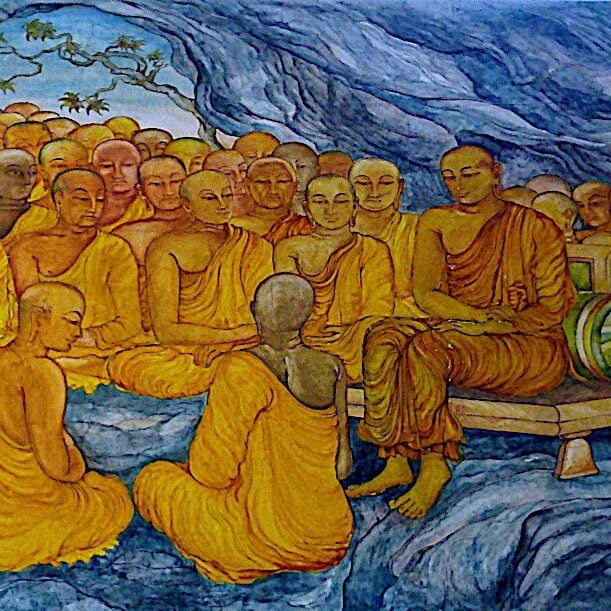
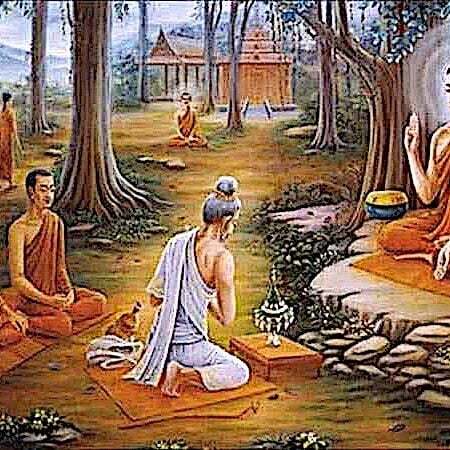
Jīvaka eventually encountered Gautama Buddha, either through King Bimbisāra or directly while treating members of the Sangha. He was deeply impressed by the Buddha’s teachings, particularly the emphasis on compassion (karuṇā) and right livelihood (sammā-ājīva). Jīvaka became a lay disciple (upāsaka) of the Buddha and frequently offered medical care to the Buddha himself, monks suffering from illness, and the monastic community (Saṅgha). (10,11)
His Devotion To Buddha
Jivaka became a loyal disciple of Lord Buddha and devoted his life towards the Dhamma and Sangha. He wanted to renounce and become a Bhikku. But Lord Buddha did not allow him to do so. Lord Buddha told him that he must remain free and tend to all those who are needed. To pay his part, he later donated the Jīvakarāma monastery to the Buddha and the Sangha, becoming one of the most prominent lay supporters of early Buddhism alongwith King Bimbisara and Anathpindika. (10,11)
References
- Buswell, R. E., Jr., & Lopez, D. S., Jr. (Eds.). (2014). The Princeton dictionary of Buddhism. Princeton University Press.
- Salguero, C. P. (Ed.). (2022). Buddhism and medicine: A global history. Columbia University Press.
- Salguero, C. P. (Ed.). (2022). Buddhism and medicine: An anthology of modern and contemporary sources. Columbia University Press
- Zysk, K. G. (1998). Asceticism and healing in ancient India: Medicine in the Buddhist monastery. Oxford University Press.
- Keown, D. (2013). Buddhist ethics: A very short introduction. Oxford University Press.
- Harvey, P. (2013). An introduction to Buddhism: Teachings, history and practices (2nd ed.). Cambridge University Press.
- Sharma, P. V. (1992). History of medicine in India. Indian National Science Academy.
- Wujastyk, D. (2003). The roots of Ayurveda: Selections from Sanskrit medical writings. Penguin Classics.
- Zysk, K. G. (1991). Asceticism and healing in ancient India: Medicine in the Buddhist monastery. Oxford University Press.
- Bhikkhu Ñāṇamoli, & Bodhi, B. (1995). The middle length discourses of the Buddha: A translation of the Majjhima Nikāya. Wisdom Publications.
- Ambedkar, B. R. (1957). The Buddha and His Dhamma. Bombay, India: Siddharth College Publications.
1 thought on “Who Was Jīvaka, the Legendary Physician of the Buddha and the Sangha?”
Leave a Comment
More articles by this author


Search
Latest Features

Please support the "Spread the Dharma" mission as one of our heroic Dharma Supporting Members, or with a one-time donation.
Please Help Support the “Spread the Dharma” Mission!
Be a part of the noble mission as a supporting member or a patron, or a volunteer contributor of content.
The power of Dharma to help sentient beings, in part, lies in ensuring access to Buddha’s precious Dharma — the mission of Buddha Weekly. We can’t do it without you!
A non-profit association since 2007, Buddha Weekly published many feature articles, videos, and, podcasts. Please consider supporting the mission to preserve and “Spread the Dharma." Your support as either a patron or a supporting member helps defray the high costs of producing quality Dharma content. Thank you! Learn more here, or become one of our super karma heroes on Patreon.
Niketan Shegokar
Author | Buddha Weekly
Niketan at time of writing, is a final year MBBS student and a history enthusiast. He has an interest in research and writing, especially over the last 3 years.
Thank you so much for this deeply enriching article on Jīvaka, the Legendary Physician of the Buddha and the Sangha. Your detailed exploration of his life — from his humble beginnings and rigorous medical training to his compassion, skill, and devotion to the Buddha and Sangha — was both inspiring and insightful. I especially appreciated learning how his healing work and generosity reflected the heart of early Buddhist values of service and care. This piece not only broadened my understanding of ancient medicine and Buddhist history but also reminded me of the timeless value of compassion in our own lives. Thank you again for sharing this thoughtful and meaningful tribute to such an extraordinary figure.
Regards,
Antique Buddhas
https://www.buddhashop.net