



Video: Buddha’s Eight Auspicious Signs Precious Dharma Objects for Auspiciousness and Transformation
Why are the eight auspicious signs of Buddhism more than just symbols or lucky objects? Why are the eight auspicious symbols found in nearly every Buddhist temple and shrine room? Why are they considered Dharma objects, inseparable from what they represent and what do they actually represent?
Video:
More articles by this author
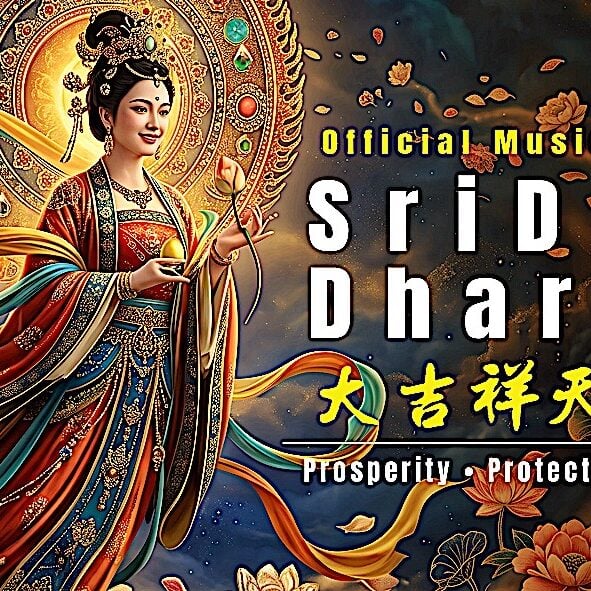
SUPPORTING MEMBERS: Buddhist SriDevi Dharani Great Auspicious Goddess (Official Music Video): Wealth, Abundance, Harmony 吉祥天女 MV
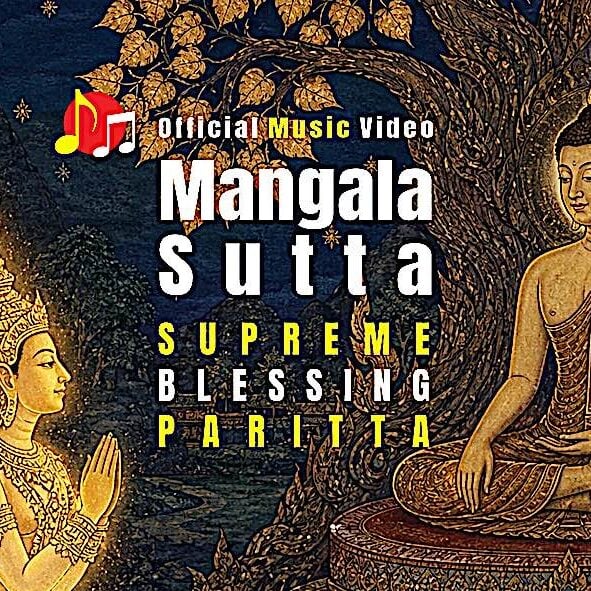
SUPPORTING MEMBERS VIDEO: 38 Blessings of the Maṅgala Sutta Paritta – The Supreme Blessings Sutra Official MV

VIDEO EMERGENCY MANTRA TIMEOUT! Danger & Fear: Emergency Protection Time Out! Instant Safety with Green Tara


Search
Latest Features


Please support the "Spread the Dharma" mission as one of our heroic Dharma Supporting Members, or with a one-time donation.
Please Help Support the “Spread the Dharma” Mission!
Be a part of the noble mission as a supporting member or a patron, or a volunteer contributor of content.
The power of Dharma to help sentient beings, in part, lies in ensuring access to Buddha’s precious Dharma — the mission of Buddha Weekly. We can’t do it without you!
A non-profit association since 2007, Buddha Weekly published many feature articles, videos, and, podcasts. Please consider supporting the mission to preserve and “Spread the Dharma." Your support as either a patron or a supporting member helps defray the high costs of producing quality Dharma content. Thank you! Learn more here, or become one of our super karma heroes on Patreon.
Lee Kane
Author | Buddha Weekly
Lee Kane is the editor of Buddha Weekly, since 2007. His main focuses as a writer are mindfulness techniques, meditation, Dharma and Sutra commentaries, Buddhist practices, international perspectives and traditions, Vajrayana, Mahayana, Zen. He also covers various events.
Lee also contributes as a writer to various other online magazines and blogs.